For over a decade, Death in Paradise has been the ultimate antidote to grim winters and gritty crime dramas. This light-hearted BBC murder mystery, set on the fictional Caribbean island of Saint Marie, blends classic locked-room puzzles with sparkling humor, stunning turquoise seas, and a team of quirky cops who feel like old friends. Since its debut in 2011, the show has welcomed five distinctly different lead detectives, each reshaping the series while preserving its warm, escapist core. What could have been a risky revolving door of stars has instead become one of its greatest strengths, keeping the formula fresh and viewers hooked through more than a hundred episodes, two successful spin-offs, and a devoted global audience.
The premise is deceptively simple: a British detective inspector arrives on the sun-drenched island to solve intricate murders among tourists, expats, and locals. Each episode follows a familiar rhythm—a shocking killing, a roundup of colorful suspects, red herrings galore, and a dramatic gathering where the DI reveals the culprit with flawless logic. Yet beneath the predictability lies irresistible charm: breathtaking Guadeloupe locations standing in for Saint Marie, witty banter, cultural clashes, and just enough heart to balance the intrigue. It’s cozy crime at its finest—think Agatha Christie meets a beach holiday, minus the darkness of Scandinavian noir.
The magic truly sparks with the detectives themselves. Each brings a unique personality, turning potential disruption into evolution. The supporting cast provides continuity: the ever-reliable Commissioner Selwyn Patterson (Don Warrington), the laid-back Officer Dwayne Myers (Danny John-Jules), the ambitious DS Camille Bordey (Sara Martins), and later additions like the enthusiastic DS Florence Cassell (Joséphine Jobert) and the no-nonsense DS Naomi Thomas (Shantol Jackson). Catherine Bordey (Élizabeth Bourgine), with her beach shack bar, offers gossip, rum, and maternal wisdom. Even Harry the lizard, scampering across the DI’s desk, has become an unlikely mascot.
Ben Miller launched the series as DI Richard Poole, the quintessential fish-out-of-water. A buttoned-up Londoner in a full wool suit under the tropical sun, Poole was hilariously miserable—complaining about the heat, sand in his shoes, and lack of proper tea while brilliantly unraveling cases. Miller’s deadpan delivery and cultural bewilderment set the comedic tone, making Poole’s reluctance to embrace island life endlessly entertaining. His shocking exit at the start of series three was a bold move, but it cemented the show’s willingness to surprise.
Enter Kris Marshall as DI Humphrey Goodman, the polar opposite: clumsy, scatterbrained, and endearingly chaotic. Humphrey tripped over evidence, fell out of windows, and approached puzzles with boyish enthusiasm rather than Poole’s rigidity. Marshall’s warmth and big-hearted charm made him an instant fan favorite, softening the team dynamic and adding romantic subplots. His tenure brought emotional depth, exploring themes of love and belonging as Humphrey gradually fell for Saint Marie—and eventually left for a new life with his fiancée Martha.
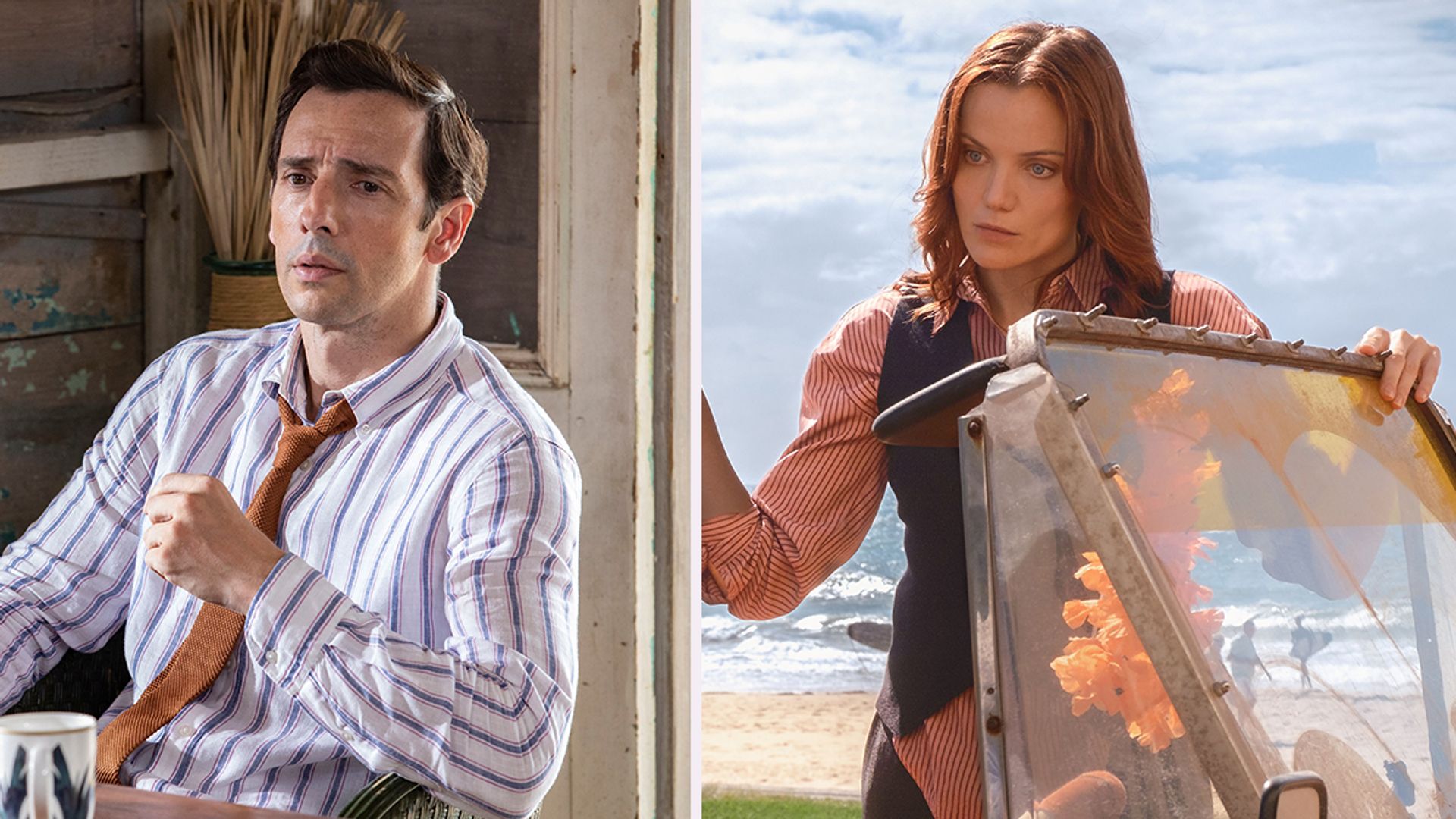
Ardal O’Hanlon followed as DI Jack Mooney, a widowed Irish detective seeking solace after personal tragedy. Mooney was steadier and more compassionate, integrating seamlessly with island rhythms—sipping rum, strumming a guitar, and offering quiet wisdom. O’Hanlon’s gentle humor and empathy provided a soothing presence, shifting the tone toward healing and family bonds. His stories often delved into loss and redemption, balancing lighter mysteries with poignant character arcs.
Ralf Little’s DI Neville Parker arrived allergic to everything—sun, sand, insects, and initially the island itself. A hypochondriac genius with a knack for spotting tiny clues, Neville’s neuroses fueled hilarious running gags while his sharp intellect drove the investigations. Little held the role longest, allowing deeper exploration of vulnerability, romance, and growth as Neville overcame fears and found unexpected happiness. His departure after series thirteen marked the end of an era, but paved the way for fresh energy.
The latest addition, Don Gilet as DI Mervin Wilson, brings a grittier edge. Introduced in the 2024 Christmas special, Mervin arrives from London with personal baggage, investigating family secrets amid the usual murders. Gilet’s intense, no-nonsense style—initially prickly and reluctant—echoes Poole’s discomfort but adds layers of emotional complexity. Early episodes hint at a slower thaw, with Mervin warming to the team and island quirks, promising sharp wit and heartfelt moments in upcoming series.
This rotating lead has kept Death in Paradise vibrant, preventing staleness while honoring its comforting formula. Each detective reshapes interactions—Humphrey’s clumsiness bounced off Dwayne’s street smarts, Mooney’s calm steadied fiery debates, Neville’s anxieties sparked protective instincts, and Mervin’s guarded nature teases new tensions. Yet the core remains: clever plots, stunning scenery, and a celebration of found family.
The show’s success is undeniable. Consistently topping UK ratings, it draws millions each winter, offering sunshine when needed most. Internationally, it streams on platforms like Netflix and BritBox, building a passionate fandom that dissects alibis and debates favorite DIs. Critics may call it formulaic or lightweight, but that’s the point—it’s reliable escapism, hearty comfort food in a TV landscape of intense thrillers.
The “Paraverse” has expanded with spin-offs. Beyond Paradise follows Humphrey and Martha to quaint Devon, swapping palm trees for English countryside while retaining whodunit charm. The newer Return to Paradise, set in coastal Australia, introduces a female lead detective navigating hometown drama—proving the format’s versatility.
As Death in Paradise heads into its fifteenth series and beyond, with annual Christmas specials and endless sunny murders, Saint Marie endures as a beloved destination. Whether you prefer Poole’s stiff upper lip, Humphrey’s endearing chaos, Mooney’s quiet heart, Neville’s neurotic brilliance, or Mervin’s emerging warmth, there’s a detective for everyone. In a world of unpredictable TV, this show’s gentle constancy—punctuated by clever kills and coconut cocktails—is pure paradise.