“Dad… I Came Back For This”: Hannah Harper’s Tearful American Idol Victory Delivers One of the Show’s Most Emotional Moments Ever
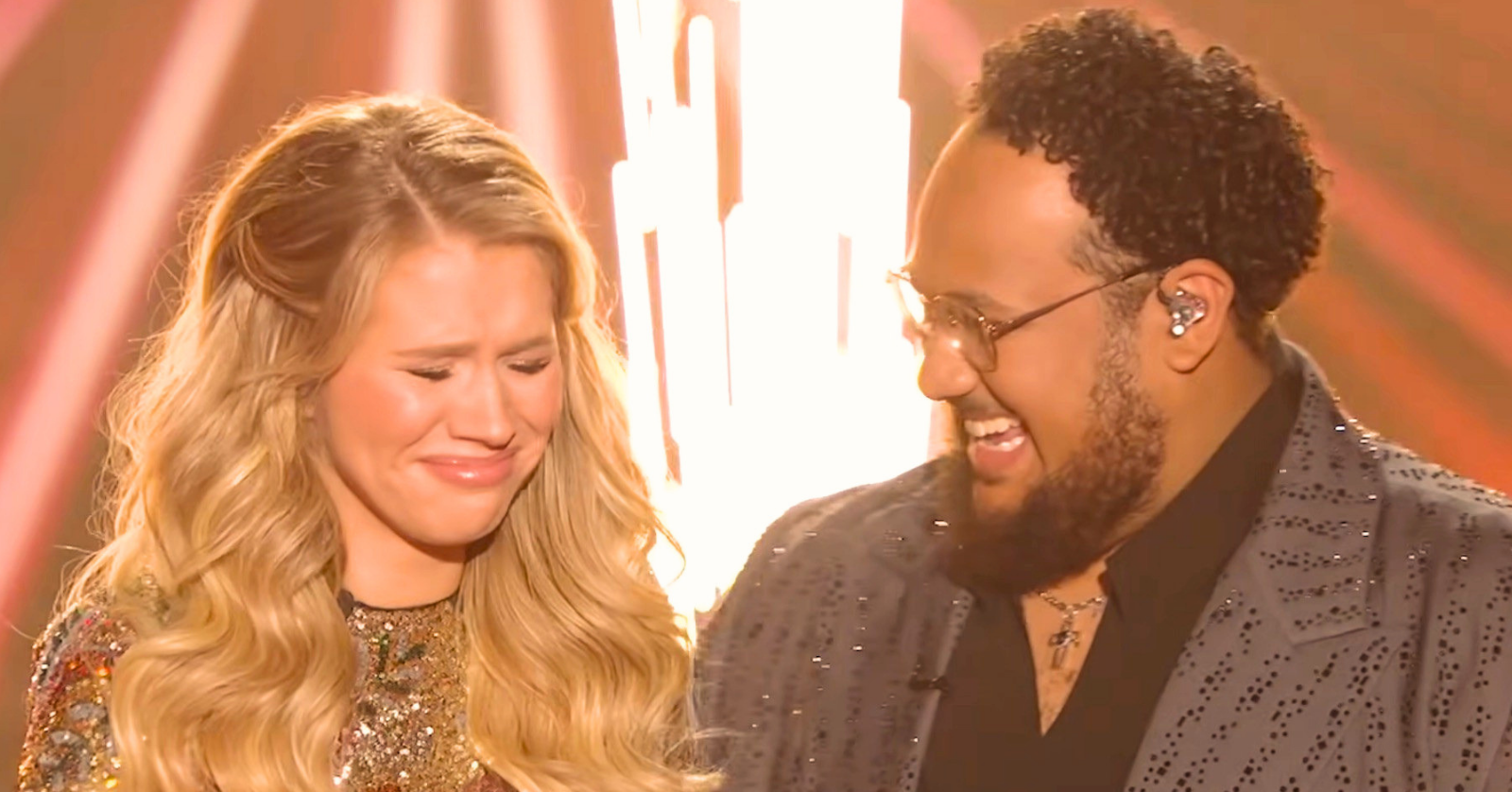
In a season already filled with raw talent, personal stories, and unforgettable performances, the American Idol 2026 finale delivered a moment that transcended music and struck straight at the heart. As confetti rained down and the lights dazzled on the grand stage, newly crowned winner Hannah Harper stood breathless, microphone in hand, and uttered five simple words that stopped time for millions watching at home: “Dad… I came back for this.”
The 25-year-old singer from Willow Springs, Missouri, had just been announced as the Season 24 champion — the first female country artist to claim the title since Carrie Underwood in 2005. Yet in that crowning instant, the celebration took on a deeply personal tone. Cameras panned to her father in the audience, who was visibly overcome with emotion, tears streaming down his face. What followed was a raw, unscripted father-daughter exchange that has since been hailed as one of the most poignant moments in the show’s long history.
Hannah Harper’s journey to the American Idol crown was never just about vocal talent. A devoted mother of three young boys, she entered the competition after years of putting her musical dreams on hold to focus on family. Raised in a bluegrass and gospel family, music was always part of her life, but real-world responsibilities — including a powerful battle with postpartum depression — had pushed performing to the background. Her original audition song, “String Cheese,” a heartfelt, humorous yet vulnerable track about the chaos and joys of motherhood, went viral and instantly connected with viewers across the country.
Throughout the season, Hannah’s authenticity shone through. She wasn’t just singing notes; she was sharing pieces of her soul. Judges Luke Bryan, Lionel Richie, and Carrie Underwood frequently praised her for blending technical skill with genuine emotion. Underwood, in particular, saw echoes of her own early career in the young Missouri mom. But behind every powerful performance was the quiet support of a family that had sacrificed alongside her.
The finale itself was a star-studded, three-hour spectacular. Hannah delivered show-stopping renditions, including a stirring cover of Alicia Keys’ “No One” and a deeply moving performance of Chris Tomlin’s “At the Cross (Love Ran Red)” that left the audience in tears. When Ryan Seacrest finally revealed her name as the winner over runner-up Jordan McCullough and third-place finisher Keyla Richardson, the outpouring of joy was immediate.
Yet the real climax came in the moments after. As Hannah processed the enormity of her win — a recording contract, prize money, a new Ford vehicle, and the chance to pursue music full-time — she looked directly toward her father in the crowd. Fighting through sobs, she spoke words that many interpreted as both gratitude and validation: acknowledging the years she had stepped away from music for family, only to return stronger and more determined.
Her father, visibly moved, could be seen wiping tears as the cameras captured the intimate family moment amid the chaos of confetti and applause. For viewers, it was impossible not to feel the weight of their shared journey. Years of late nights, missed opportunities, self-doubt, and quiet encouragement had led to this single, shining moment under the spotlight.
Social media exploded instantly. Clips of the father-daughter exchange spread like wildfire, with hashtags like #HannahHarper and #IdolDad trending for days. Fans called it “pure television gold,” “the most human moment in Idol history,” and “a reminder of why we love this show.” Many shared their own stories of parental sacrifice, dreams deferred, and emotional reunions, turning the victory into a broader conversation about family, resilience, and second chances.
Hannah’s background makes the moment even more resonant. Growing up in rural Missouri, she performed with her family in gospel settings and spent time on tour buses as a child. Music was her first love, but adulthood brought new priorities. Becoming a mother of three shifted her focus entirely — until postpartum struggles and a renewed sense of purpose pushed her to audition. Her openness about mental health, the challenges of balancing motherhood with ambition, and her faith-centered approach won over audiences who saw themselves reflected in her story.
Throughout the competition, Hannah often dedicated performances to her family. One particularly touching moment earlier in the season involved a song written with her father in mind, which reportedly moved him to tears during a reaction video shared by her mother. That pattern of emotional transparency culminated beautifully in the finale.
The victory also carries historic weight. As the first female country winner in over two decades, Hannah follows in the footsteps of Carrie Underwood while carving her own path. Her style blends modern country, bluegrass influences, and gospel soul, creating what judges have playfully called “Resurrection Rock” — music that lifts spirits and tells real stories. Industry insiders already predict a bright future, with her viral original songs positioning her perfectly for radio success and a debut album that feels deeply personal.
For American Idol itself, moments like this are the lifeblood of the show. Since its debut in 2002, the competition has thrived not only on discovering vocal stars but on telling human stories. From Kelly Clarkson’s groundbreaking win to countless tearful family reunions, the program has always celebrated the emotional journey as much as the musical one. Hannah and her father’s exchange now joins the pantheon of unforgettable Idol memories.
In post-finale interviews, Hannah spoke humbly about the win. She emphasized that the title wasn’t just hers — it belonged to her husband, her children, her extended family, and especially the parents who believed in her even when she had set the dream aside. “This isn’t the end of a chapter,” she said. “It’s the beginning of showing my kids that it’s never too late to chase what God put in your heart.”
Her father’s quiet pride spoke volumes without needing many words. In a world often obsessed with individual success, their shared tears reminded everyone of the invisible support systems that make big dreams possible. The sacrifices, the belief, the waiting — all of it mattered.
As Hannah prepares for her post-Idol life — including a hometown parade, “Hannah Harper Day” celebrations in Willow Springs, and the launch of her professional music career — that finale moment will likely remain the emotional high point. It encapsulated everything the show stands for: talent, perseverance, family, and the transformative power of believing in someone.
In an era of polished social media highlights and instant fame, Hannah Harper’s win felt refreshingly real. A small-town mom stepped onto the biggest stage, poured her heart out, and reminded millions that sometimes the greatest victories aren’t just about crossing the finish line — they’re about who you bring with you, and who never stopped believing you could.
“Dad… I came back for this.”
Five words that captured years of love, sacrifice, and quiet strength. As confetti fell and history was made, a father and daughter shared a moment bigger than any trophy. For Hannah Harper, becoming American Idol wasn’t just a personal triumph — it was a homecoming, a full-circle fulfillment of promises made to family, and the beautiful beginning of whatever comes next.