Carrie Underwood Booed on ‘American Idol’ After Blunt Critique of Contestant’s Bold Original Song Choice
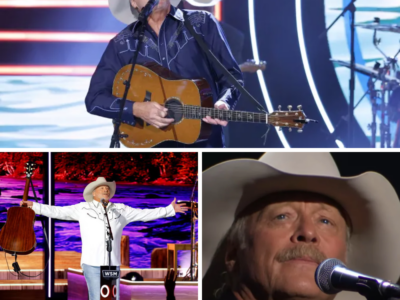
During the Hollywood Week episodes of American Idol Season 24, aired in early March 2026, a tense and memorable moment unfolded when judge Carrie Underwood faced boos from the live audience in Nashville after offering candid feedback to contestant Mor Ilderton. The 22-year-old West Virginia native made a daring decision to perform another original song, “How to Love You,” accompanying himself on acoustic guitar with no backing band—a choice that divided opinions and sparked debate among viewers and judges alike.
Mor Ilderton had already impressed during his initial audition by performing an original piece, earning praise for his songwriting and emotional delivery. That risk paid off, advancing him to Hollywood Week. Confident in his abilities, he chose to double down in the high-stakes round, opting for another self-penned track instead of a familiar cover. “I’m definitely taking a risk,” he told the cameras beforehand, acknowledging the gamble but emphasizing his desire to showcase his artistry authentically.
The performance featured Mor alone on stage with his guitar, delivering a heartfelt, stripped-down rendition. The simplicity highlighted his voice and lyrics, allowing the audience to focus purely on his storytelling and vocal tone. While some appreciated the intimacy and courage, others—including Underwood—felt the setting called for something different.
After the song concluded, the judges offered their assessments. Underwood, a Season 4 winner and seasoned performer, was direct. “In a room like this, for you to bring an original song with that incredible band sitting behind you twiddling their thumbs… I feel like it was just a missed opportunity,” she said. She elaborated that performing unknown material placed extra pressure on the delivery, as the audience and judges had no prior connection to the song. “Singing original music is SUCH a gamble at this stage in the competition,” she added later on social media. “Don’t. Waste. The. Band.”
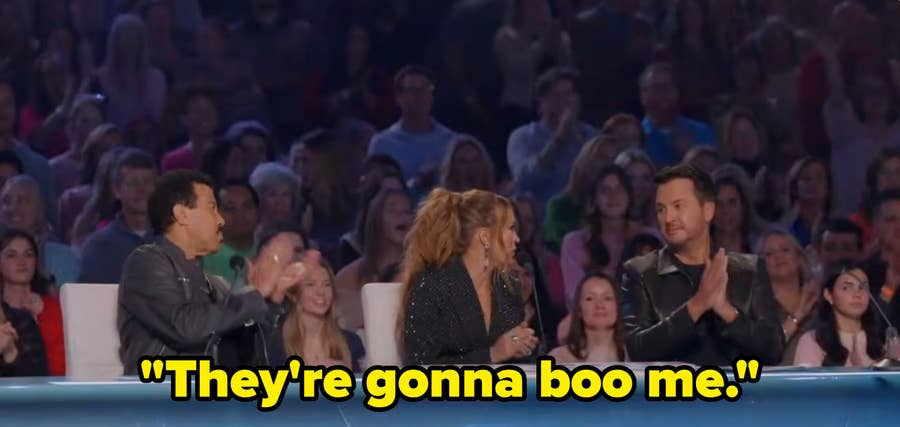
The critique prompted immediate boos from the Nashville crowd, a rare and audible show of disapproval. Underwood, unfazed, anticipated the reaction. “You guys are gonna boo me,” she said preemptively. “It’s coming—just bring it on. I love it! Your boos are feeding me.” The moment underscored her willingness to stand by her honest opinion, even when unpopular.
The backlash continued online. While the episode aired, Underwood took to X (formerly Twitter) to defend her stance: “Boo me. I don’t care.” She followed with a longer post clarifying her reasoning: “Mor’s voice and previous audition kept him in. I wanna hear his original music after he’s a big star!” Her comments emphasized that she valued his talent but believed the competition’s structure favored proven songs at that stage.
Mor responded gracefully, acknowledging the feedback without defensiveness. He expressed no regret over his choice, viewing it as an authentic representation of his artistry. Despite the mixed reception, his earlier audition and vocal strength carried him forward in the competition, though his path ended before the Top 24.
The incident highlighted ongoing debates in talent shows: originality versus familiarity. Performing originals showcases creativity and ownership, but judges often prefer covers that allow contestants to reinterpret hits and demonstrate versatility. Underwood’s critique aligned with this philosophy—Hollywood Week is a proving ground where safe, crowd-pleasing choices can secure advancement, while bold risks carry higher stakes.
The boos also reflected Nashville’s passionate audience. As a music city with deep country roots, the crowd favored authenticity and storytelling. Mor’s decision resonated with those who valued singer-songwriters, while Underwood’s feedback appealed to those prioritizing performance polish and audience connection.
The exchange added tension and drama to Hollywood Week, a phase known for eliminations and breakthroughs. Underwood’s firm stance reinforced her role as a judge unafraid of tough calls, even as a beloved artist herself. Her post-performance resilience—embracing the boos with humor and conviction—earned respect from some viewers, who admired her consistency.
For Mor Ilderton, the moment became a defining chapter. Choosing originality twice demonstrated confidence in his craft, even if it didn’t lead to the outcome he hoped for. His willingness to stand behind his work resonated with fans who appreciated the courage required to perform personal material under scrutiny.
The episode sparked broader discussions about creativity in competition formats. Should shows reward risk-taking earlier, or reserve originals for later rounds when contestants have proven themselves? Opinions varied, but the conversation underscored American Idol‘s role as a platform for growth, feedback, and sometimes uncomfortable honesty.
Carrie Underwood’s response—both on stage and online—solidified her as a judge who prioritizes constructive criticism over popularity. “Your boos are feeding me,” she declared, turning negativity into fuel. The moment became one of the season’s most talked-about, proving that even in a show built on dreams, tough love remains part of the journey.