Captain America’s Time Heist Mistake: How Steve Rogers’ Infinity Stones Mission May Have Triggered Incursions and Doomsday
In the grand tapestry of the Marvel Cinematic Universe, few moments carry as much emotional weight as Steve Rogers’ quiet retirement at the end of Avengers: Endgame. After helping defeat Thanos, the original Captain America took on one final mission: returning the Infinity Stones to their proper timelines. Fans assumed this was a neat, responsible closure to his arc—a hero finally choosing personal happiness with Peggy Carter. But persistent rumors suggest this act was far from clean. Instead, Steve’s decisions during and after the time heist may have set off a chain of multiversal disasters, with major consequences now expected to unfold in Avengers: Doomsday.
According to circulating leaks and fan theories gaining traction online, Captain America never fully returned the Infinity Gems as intended. His prolonged time in the past, combined with thoughtful alterations meant to help others across branching realities, created ripple effects that destabilized the multiverse. This narrative thread is reportedly set to be explored in Avengers: Doomsday, reframing Steve’s happy ending as a well-intentioned but catastrophic choice. Far from a simple romantic resolution, his actions may have contributed to the very incursions threatening all of reality.
The Original Plan and the Quiet Rebellion
At the end of Endgame, the Avengers’ time heist successfully retrieved the Stones, but removing them from their timelines created branched realities. The Ancient One had warned Bruce Banner that these branches would wither without the Stones’ return. Steve volunteered for the solo mission, promising to put everything back exactly as it was. On paper, it was the perfect final duty for a man who had sacrificed everything for duty.
Yet rumors claim Steve took his time—literally. Instead of a swift return, he spent considerable thought on how his presence in the past could help not just his own life but variants and events across the multiverse. By lingering and subtly altering certain events, he aimed to ease suffering or prevent tragedies in parallel timelines. This deviation from strict protocol allegedly created unstable branches that didn’t simply fade away. Instead, they collided with other realities.
One major point of contention is Steve’s decision to stay with Peggy Carter. Rather than returning immediately to 2023 after replacing the Stones, he chose to live out a full life in the past. This act, once celebrated as poetic justice for a soldier who lost his youth to war, is now being reexamined as the spark for larger problems. By embedding himself deeply into a timeline he was only meant to visit, Steve reportedly created an anchor point that pulled realities together in dangerous ways.
Chain Incursions: A New Understanding of Multiversal Threats
Avengers: Doomsday is rumored to expand on the concept of incursions—events where two universes collide, often resulting in the destruction of one or both. Previously tied to massive cosmic imprints or the actions of beings like Kang, incursions in this context stem from more subtle alterations. Changing an event that another character was destined to cause, or lingering too long in a borrowed timeline, can trigger these chain reactions.
Steve’s mission fits this pattern perfectly. He was never supposed to confront or interact extensively with his own past self during the 1970s heist elements, nor was he meant to remain as a fixed presence in the 1940s-1950s timeline. By doing so, he altered key historical beats that were meant to play out differently in branching realities. These changes didn’t just affect one timeline; they created a domino effect of incursions.
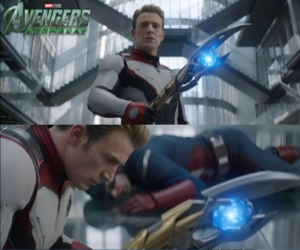
Leaked plot details suggest Doomsday will explicitly explain this mechanic. Incursions aren’t only caused by “big impressions” on the timeline but by disrupting causal chains—events another version of a hero or villain was fated to trigger. Steve’s well-meaning interventions, intended to help his “fellow multiverse” counterparts, inadvertently broke these chains. The result? Realities began crashing into one another, setting the stage for the multiversal crisis at the heart of the new Avengers film.
This revelation adds layers of tragedy to Steve’s character. The man known for his unshakable moral compass made a deeply personal choice that carried unintended global—no, universal—consequences. His desire to finally live for himself after decades of service may have doomed countless others.
Doctor Doom’s Role and the Hunt for Steve Rogers
Robert Downey Jr.’s return as Victor von Doom is one of the most anticipated elements of Doomsday. Rumors indicate that Doom’s motivations are deeply personal and tied directly to Steve’s actions. In some versions of these leaks, Doom hails from a universe devastated by an incursion sparked by Steve’s timeline meddling. Having lost everything, Doom becomes obsessed with preventing further incursions, viewing Steve as patient zero of the multiversal collapse.
This sets up a compelling conflict: the ultimate symbol of American idealism and self-sacrifice versus the armored dictator who believes the only way to save existence is through absolute control. Doom may see Steve not as a hero but as a reckless time traveler whose sentimentality nearly destroyed everything. Reports even suggest Doom is actively hunting Steve, forcing the retired Captain America out of his quiet life with Peggy and back into the fight.
Chris Evans’ return as Steve Rogers—reportedly not as the active Captain America but as a more seasoned, perhaps Nomad-like figure—adds emotional stakes. Audiences will see an older Steve grappling with the fallout of his choices. Does he regret staying with Peggy? Can he help fix the multiverse he helped destabilize? The film is expected to show flashbacks or explanations of his Stone-returning journey, revealing moments where he made alterations “to help others.”
Implications for the Wider MCU
This rumored storyline cleverly ties together loose ends from Endgame while propelling the Multiverse Saga forward. It reframes the Infinity Stones’ return not as a tidy epilogue but as the quiet beginning of new chaos. It also raises questions about other time travel events in the MCU. If Steve’s relatively minor alterations caused chain incursions, what about the more drastic changes caused by Loki, the TVA, or Doctor Strange’s spells?
Sam Wilson’s role as the new Captain America gains added complexity. With Steve pulled back into action, the mantle of leadership—and the shield—faces new tests. Will Sam and Steve team up against Doom, or will philosophical differences emerge over responsibility and sacrifice?
The inclusion of this plot thread also honors the emotional core of Steve Rogers. He has always been a hero who acts from the heart, sometimes bending rules for what he believes is right. This time, that instinct may have global repercussions, forcing him to confront whether some happiness comes at too high a price.
A Hero’s Legacy in Question
As Avengers: Doomsday approaches, these rumors paint a picture of a more morally gray, consequential MCU. Steve Rogers’ story, long seen as one of the franchise’s most satisfying conclusions, becomes a cautionary tale about good intentions and the butterfly effect across realities. His thoughtful delays and helpful alterations during the Stone mission—meant to ease burdens across timelines—reportedly snowballed into the very crisis the new Avengers must face.
Fans are divided on this potential direction. Some appreciate the depth it adds to a beloved character, turning his fairy-tale ending into something more realistic and flawed. Others worry it undermines the poignancy of Endgame’s closing scenes. Regardless, it promises high-stakes drama: an aged Steve Rogers, a vengeful or duty-bound Doom, and a team of heroes racing to prevent total multiversal collapse.
Whether these leaks prove accurate remains to be seen, but they have ignited passionate discussions. One thing is clear—if true, Steve Rogers’ quiet act of love and service may prove to be the spark that ignites Doomsday. The soldier who always put others first might now have to save the multiverse from the consequences of finally choosing himself.
In the end, Captain America’s greatest battle may not be against Thanos or alien armies, but against the unintended fallout of his own humanity. As the MCU heads into its boldest crossover yet, Steve’s legacy is no longer just about heroism—it’s about accountability across infinite realities.