On the snowy morning of January 7, 2026, the streets of south Minneapolis erupted into chaos when an Immigration and Customs Enforcement (ICE) agent shot and killed 37-year-old Renee Nicole Good, a U.S. citizen, mother of three, award-winning poet, and recent transplant to the city. What began as part of intensified federal immigration enforcement operations under the second Trump administration quickly spiraled into a national flashpoint, sparking widespread protests, heated political debates, and profound grief among her family, neighbors, and supporters across the country.
Good, described by loved ones as warm, witty, kind, and deeply caring, had just dropped off her six-year-old child at school and was driving her maroon Honda Pilot—with stuffed animals visible in the glove compartment—when she encountered ICE agents on Portland Avenue South. Multiple bystander videos, cell phone footage (including one reportedly from the agent’s body or phone), and eyewitness accounts captured the brief, tragic encounter. According to verified footage analyzed by outlets like ABC News, CNN, and The New York Times, Good’s vehicle was partially blocking a lane on the residential street. She appeared to advance slightly before stopping, waving other drivers past in what some described as an attempt to navigate around the scene.
Federal officials, including Department of Homeland Security (DHS) Secretary Kristi Noem and spokesperson Tricia McLaughlin, asserted that Good ignored commands to exit her vehicle and accelerated in a manner that endangered agents—claiming she attempted to “run over” or “ram” an officer in an act they labeled “domestic terrorism.” ICE agent Jonathan Ross, who has been with the agency in Minnesota for years and previously injured in a separate incident in June 2025, fired three shots: one through the windshield and two through the open driver’s side window as the vehicle passed him. Good was struck fatally, reportedly in the head and upper body. Ross himself sustained internal bleeding to the torso during the incident, according to DHS updates, though the extent of his injuries remains unclear.
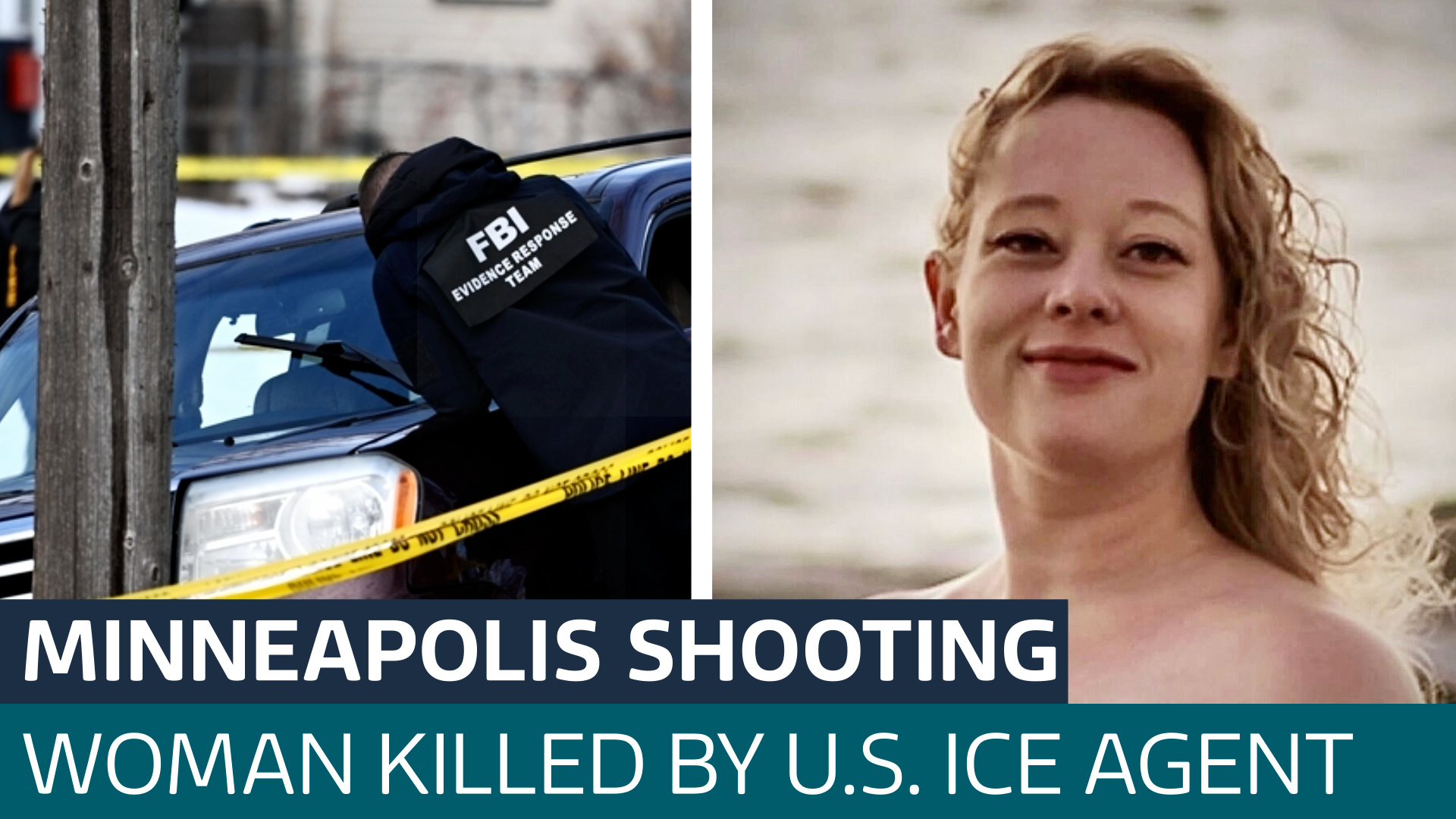
Eyewitnesses and local officials painted a starkly different picture. Bystanders stated Good posed “no threat” and was simply trying to leave the area amid the ICE operation. Videos show ICE agents preventing a doctor from checking Good’s pulse after she was shot, heightening outrage. Minnesota Governor Tim Walz, Minneapolis Mayor Jacob Frey, and U.S. Senator Tina Smith condemned the shooting, calling federal accounts “propaganda” and criticizing the aggressive tactics of mass deportation efforts. Frey described Good as out “caring for her neighbors” that morning, while her mother identified her publicly, saying, “She was an amazing human being.” Good lived just blocks from the scene with her wife (or partner) and children, having recently moved to Minneapolis.
Good was a multifaceted individual: a prize-winning poet who loved singing, playing guitar, and writing. Friends and family remembered her as gentle, generous, and community-oriented. Poet Amanda Gorman mourned her publicly on social media, calling the death a “murder” and highlighting ICE’s broader pattern of violence, referencing other fatalities like Silverio Villegas Gonzalez and Keith Porter. Good’s family, including her father and former in-laws, emphasized her nurturing role as a mother and widow (or partner in a same-sex relationship, per some reports). Three children woke up without their mother, leaving a void in a family already building a new life in the city.
The incident occurred amid escalating immigration raids dubbed “Operation Metro Surge,” part of the Trump administration’s push for mass deportations. Minneapolis, a sanctuary city with strong immigrant communities, has seen repeated clashes. Protests erupted nationwide within hours, with thousands rallying under signs reading “Justice for Renee” and calls to end ICE operations. A Quinnipiac poll released days later showed 53% of Americans viewing the shooting as unjustified, with 82% having seen video footage and low trust in federal investigations.
A subsequent incident on January 14 or 15, 2026—a federal agent shooting a man in the leg during a struggle involving a shovel and broom—further inflamed tensions, with reports of tear gas affecting children and violent clashes. The Minnesota Bureau of Criminal Apprehension (BCA) is investigating the Good shooting, though federal involvement complicates jurisdiction. Legal experts note challenges in suing ICE or the agent due to qualified immunity, though criminal civil rights violations remain possible.
The city remains shaken. Memorials with flowers, candles, and tributes line the site, while vigils honor Good’s legacy as a poet and parent. Her death has become a symbol of fears over federal overreach, with critics arguing ICE tactics make communities less safe. As investigations continue and protests persist, Minneapolis—and the nation—grapples with the question echoing through grieving families and outraged streets: How did this happen?