What was intended as a confident assertion of creative control has instead become one of the most talked-about — and widely mocked — documents in recent Hollywood history. Blake Lively’s five-page letter to the Producers Guild of America, packed with 77 bullet points detailing her “immense powers” on the set of It Ends With Us, was meant to secure official producer recognition for her extensive behind-the-scenes work. Instead, the resurfaced document has exploded into a public relations nightmare, now weaponised in her high-profile legal battle with co-star and director Justin Baldoni. The once-private manifesto of self-praise is being dissected line by line, turning what Lively hoped would highlight her contributions into a spectacle of perceived cringe that has left fans stunned, legal experts fascinated, and social media in overdrive.
The letter, sent in early 2024 shortly after Lively was officially granted producer credit following more than a year of advocacy, opens with raw emotion. She describes the off-camera work on the Colleen Hoover adaptation as meaning “more to me than anything I’ve done in my twenty-year career” and pleads for the guild to “bare her heart” while reading her dense list of accomplishments. Many bullet points begin with the pronoun “I,” painting a picture of an actress who claims to have shaped nearly every aspect of the production. From rewriting scenes to improve supporting roles after other actresses passed, to calling in fashion favours for discounted or gifted clothing to cut costs, to onboarding freelance team members for the cast — the document presents Lively as a tireless force who “produced every moment of this film.”
On paper, the letter reads like a determined professional fighting for due credit in an industry that has historically undervalued women’s contributions behind the camera. Lively emphasises her hands-on involvement in script development, casting decisions, costume choices, and even logistical elements that helped keep the budget in check. She frames her efforts as passionate dedication to a project she deeply cared about — an adaptation of a beloved novel dealing with heavy themes of domestic violence and female empowerment.
Yet in the harsh light of 2026, with the bitter lawsuit against Baldoni still raging, those same 77 bullet points have taken on a completely different tone. Critics and online commentators describe the document as a “bragging manifesto,” its repetitive “I did this” structure coming across as self-aggrandising rather than collaborative. What was supposed to showcase strength now feels, to many, like tone-deaf boasting at a time when the film’s troubled production has become public fodder. Social media has been merciless, with users sharing screenshots of the bullet points accompanied by eye-roll emojis and captions like “main character syndrome” or “producer by declaration.”

The timing could not be worse for Lively. In December 2024, she filed a lawsuit against Baldoni, his production company Wayfarer Studios, and several associates, alleging sexual harassment on set, a hostile work environment, and a retaliatory smear campaign that allegedly targeted her reputation during the film’s promotion. The allegations painted a disturbing picture of inappropriate behaviour, including unscripted intimate scenes and comments that made her uncomfortable. Baldoni and his team have vehemently denied the claims, countering with their own accusations of defamation and extortion.
As the case unfolded, the five-page letter surfaced in court filings. A federal judge recently delivered a significant blow to Lively’s case, dismissing 10 of her 13 claims — including the core sexual harassment allegations — partly because the bullet-point-heavy letter helped establish that she functioned more as an independent contractor and powerful producer than a traditional employee protected under certain labour laws. While some retaliation and breach-of-contract claims survive and are headed to trial in May 2026, the document’s emergence has shifted public perception dramatically. What Lively intended as proof of her authority is now being used to undermine her victim narrative, with detractors arguing it shows she held significant power on set and could have pushed back more forcefully if issues arose.
Fans who once rallied behind Lively during the film’s promotional tour — marked by awkward interviews and noticeable tension between the co-stars — are now divided. Many express disappointment, feeling the letter reveals a side of the actress that clashes with the empathetic image she projected while promoting a story about domestic abuse. Others defend her, arguing that women in Hollywood have long been forced to over-document their contributions just to be taken seriously, and that the real issue remains the alleged misconduct on set. The divide has turned It Ends With Us — a movie already burdened by behind-the-scenes drama — into a cultural lightning rod.
Online speculation has taken an even stranger turn. Some commentators whisper about a “hidden psychological twist,” suggesting the letter’s overly emphatic tone might reflect deeper insecurities or the intense pressure Lively felt while balancing her starring role, producing duties, and the film’s sensitive subject matter. Others see it as classic Hollywood power-playing gone wrong — a calculated move to cement her status that has spectacularly backfired in the court of public opinion. The document’s release has sparked countless memes, think pieces, and late-night talk show jokes, keeping the controversy alive even as the legal proceedings continue.
The irony is hard to ignore. It Ends With Us was meant to be a empowering story centred on Lily Bloom’s journey from abuse to strength. Instead, the real-world drama surrounding its making has overshadowed the film itself. Lively has publicly described the legal battle as “unfathomably painful” and vowed to keep fighting against what she calls systems that silence and retaliate against victims. In a recent statement, she added a dragon emoji — a possible nod to past texts where she reportedly compared herself and her inner circle (including husband Ryan Reynolds and friend Taylor Swift) to powerful figures from Game of Thrones — while reaffirming her commitment to exposing harmful behaviour in the industry.
Baldoni’s side, meanwhile, maintains that the letter proves Lively was deeply involved and influential, contradicting any portrayal of her as powerless or victimised. His legal team has used the document to argue that her role gave her substantial control, making the harassment claims legally untenable under the circumstances.
As the May trial date approaches, the five-page letter continues to loom large. Every boastful bullet point is being scrutinised not just for what it says about Lively’s work ethic, but for what it might reveal about the power dynamics on a set that reportedly descended into tension and mistrust. For an actress known for her charm, fashion influence, and carefully curated public image, the document has become an unwelcome defining moment — a case study in how words meant to empower can instead invite ridicule when taken out of context or viewed through the lens of ongoing conflict.
Whether the letter ultimately helps or hurts Lively in the courtroom remains to be seen. What is clear is that it has already damaged her in the court of public opinion, turning a private plea for professional recognition into a viral symbol of Hollywood excess and miscalculation. Fans who flocked to It Ends With Us hoping for an emotional story of resilience now find themselves watching a real-life drama unfold with even higher stakes.
In the end, Blake Lively’s 77 bullet points were supposed to cement her legacy as a multifaceted force in the industry. Instead, they have handed her opponents potent ammunition and left the world questioning the gap between the confident producer she claimed to be and the vulnerable actress she says she was. As the legal showdown intensifies, one thing is certain: her own words, once a badge of pride, have become the most uncomfortable plot twist in a story no one saw coming.
News
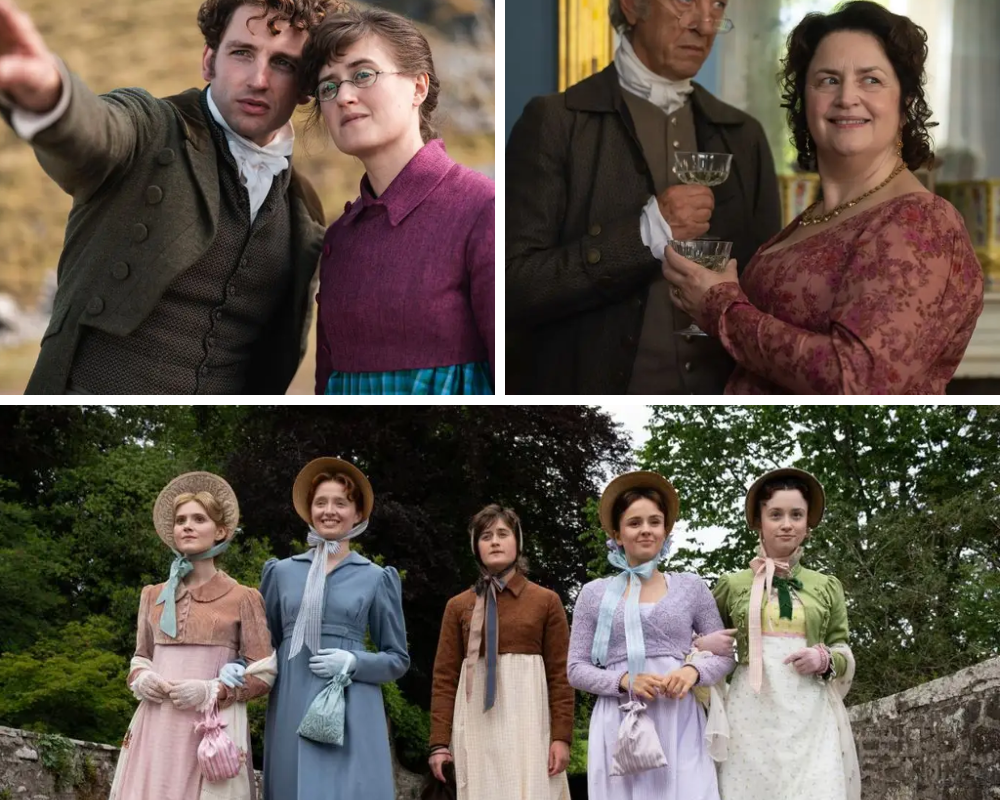
Viewers Are Binge-Watching This New Period Drama and Calling It the Best Jane Austen Adaptation in Years — But It Isn’t the Story You Think It Is.
Think you know the Bennet family? Most fans of Jane Austen instantly picture the witty and headstrong Elizabeth, the gentle and beautiful Jane, or the lively and reckless Lydia. But…
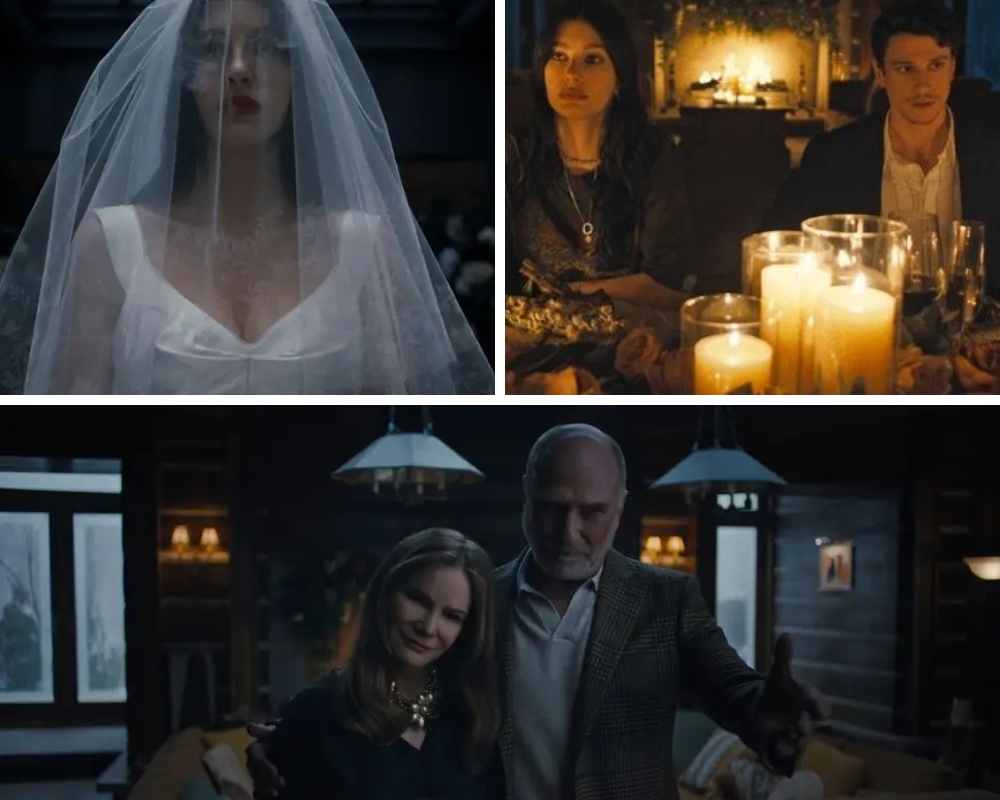
Ready for a Sleepless Binge? Netflix’s New Thriller Turns the Perfect Wedding Into a Terrifying Nightmare
Ready for a binge that’ll keep you up all night? Netflix’s latest thriller Something Very Bad Is Going to Happen has arrived, and it’s more addictive than ever. This eight-episode…
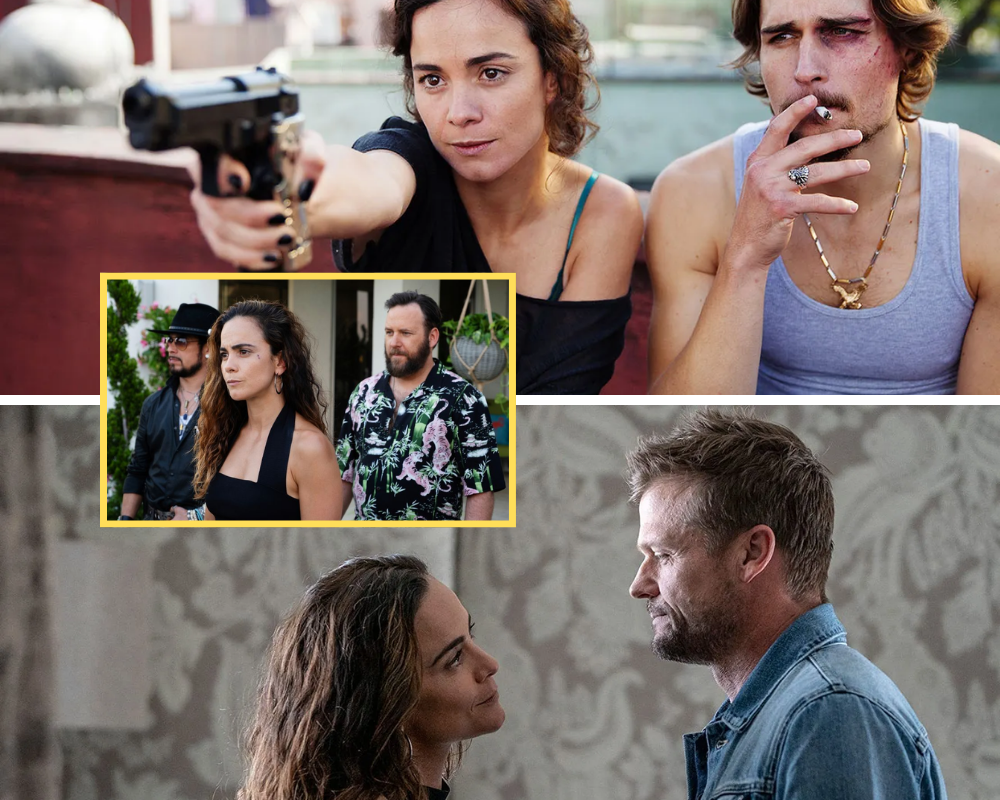
Everyone Is Talking About THIS Ending… and No One Saw It Coming: Netflix’s “Best Series Ever” Is Breaking Records
From the moment the first episode of Queen of the South drops you into the dangerous streets of Culiacán, you know you’re in for something different. The camera lingers on…
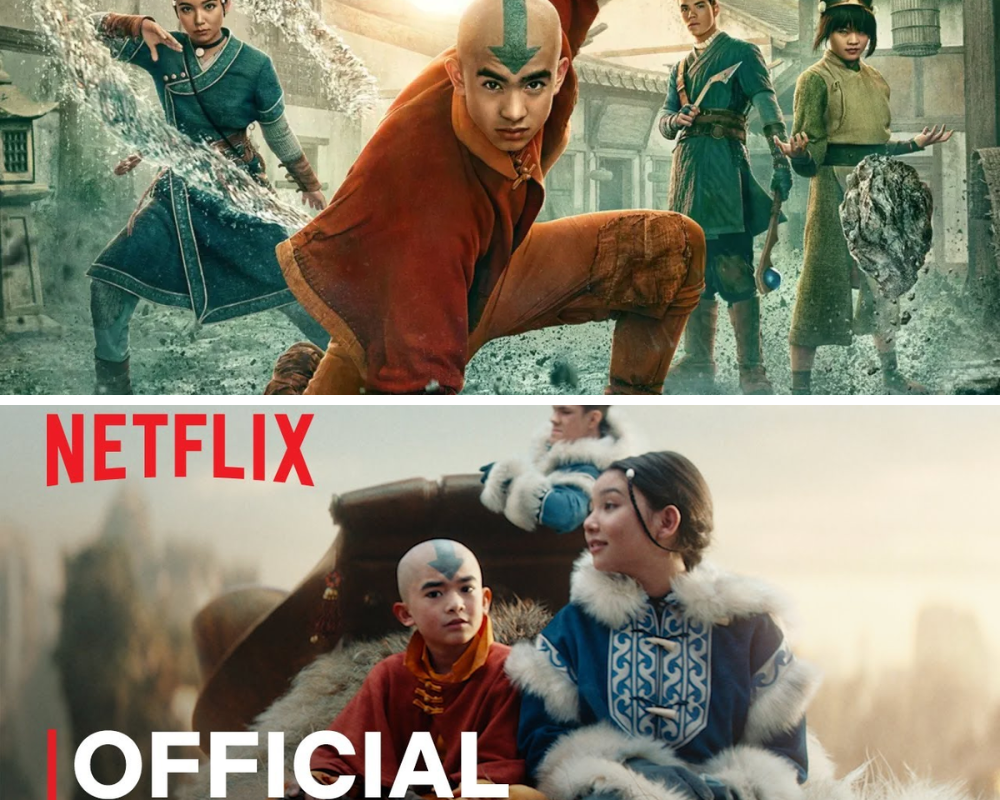
NETFLIX’S AVATAR: THE LAST AIRBENDER RETURNS JUNE 25, 2026 — Season 2 Promises a Darker, More Epic Journey Through the Earth Kingdom with Toph Beifong’s Highly Anticipated Arrival
The wait is almost over. After captivating audiences with its ambitious live-action reimagining, Netflix’s Avatar: The Last Airbender is officially returning for Season 2 on June 25, 2026 — and…
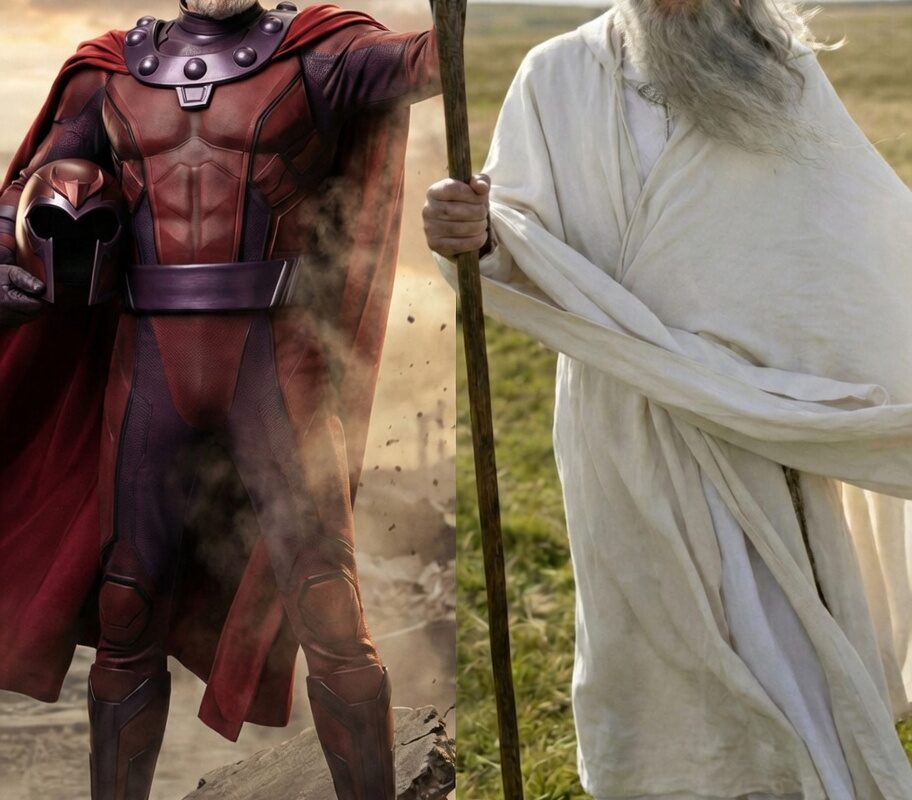
AT 86, SIR IAN MCKELLEN IS STILL CONQUERING TWO ICONIC WORLDS — Reprising Magneto in Avengers: Doomsday and Gandalf in The Lord of the Rings: The Hunt for Gollum
At an age when most actors might consider slowing down, Sir Ian McKellen continues to defy expectations with an energy and commitment that leaves fans and industry insiders in awe….
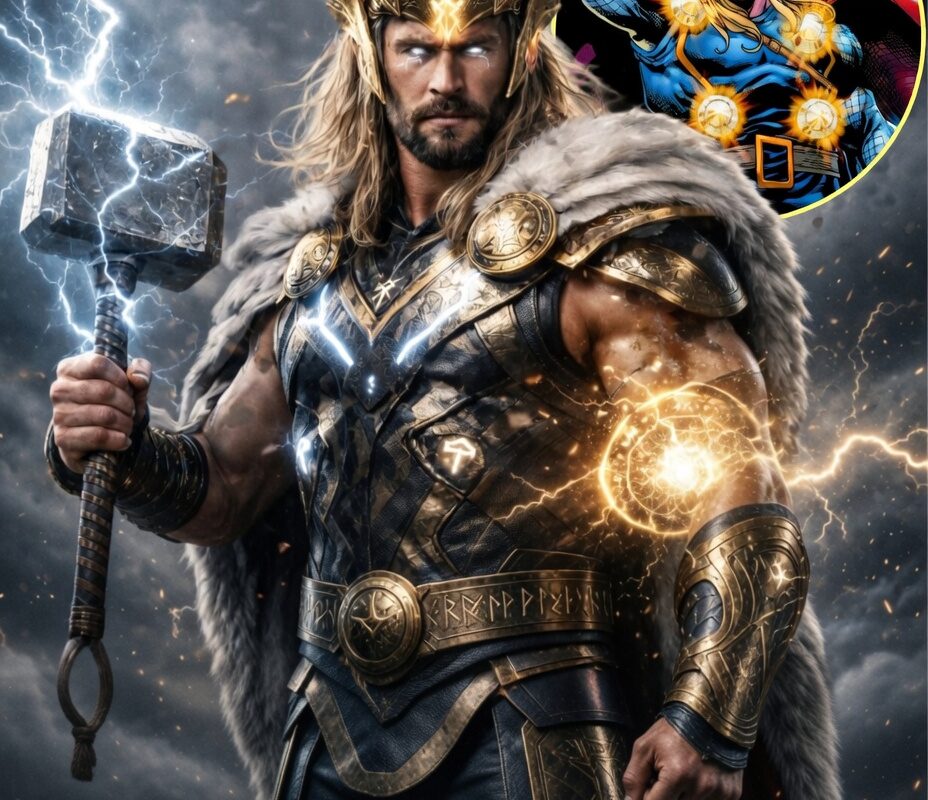
CHRIS HEMSWORTH’S THOR MIGHT BE ABOUT TO REACH HIS MOST POWERFUL FORM YET — Rune King Thor Rumors Heat Up for Avengers: Doomsday
The God of Thunder is gearing up for his biggest glow-up yet — and it could completely redefine what “powerful” means in the Marvel Cinematic Universe. Fresh rumors swirling around…
End of content
No more pages to load