In a night filled with historic moments and emotional highs, Jelly Roll achieved one of the defining victories of his career at the 68th Annual Grammy Awards on February 1, 2026, at Crypto.com Arena in Los Angeles. The genre-bending artist, born Jason DeFord, took home the inaugural Grammy for Best Contemporary Country Album for his 2024 release Beautifully Broken. The win marked not only his first golden gramophone in this category but capped a triumphant evening where he secured three trophies overall, solidifying his place as one of the most compelling voices in modern music.
Beautifully Broken arrived in late 2024 as a deeply personal project, blending raw country storytelling with hip-hop influences, gospel elements, and unflinching honesty about addiction, redemption, faith, and family. The album featured collaborations with artists like Miranda Lambert, Brandon Lake, and Shaboozey, and tracks like “Liar,” “I Am Not Okay,” and “Need a Favor” resonated with listeners navigating their own struggles. It debuted at the top of charts and earned widespread acclaim for its vulnerability, with Jelly Roll openly sharing how the record chronicled his journey from a troubled past—including prison time and substance abuse—to sobriety, weight loss exceeding 200 pounds, and renewed purpose.

The Best Contemporary Country Album category, newly introduced this year to recognize the evolving sound of the genre, pitted Beautifully Broken against strong contenders: Miranda Lambert’s Postcards From Texas, Tyler Childers’ Snipe Hunter, Eric Church’s Evangeline vs. the Machine, and Kelsea Ballerini’s Patterns. Jelly Roll’s win felt like a statement—country music embracing artists who bridge worlds, speak truth, and refuse to fit neatly into boxes.
Before the televised ceremony, Jelly Roll had already claimed two awards during the pre-show: Best Country Duo/Group Performance for his collaboration with Shaboozey on “Amen,” and Best Contemporary Christian Music Performance/Song for “Hard Fought Hallelujah” with Brandon Lake. These early victories set an electric tone, but the Best Contemporary Country Album win delivered the emotional peak.
As his name was announced, the arena erupted. Jelly Roll, visibly moved, made his way to the stage in a sharp black suit that highlighted his dramatic physical transformation. Standing at the podium, he paused, eyes glistening, before launching into a speech that quickly became the talk of the night. “First of all, Jesus, I hear you and I’m listening, Lord. I am listening, Lord,” he began, his voice cracking with emotion. The declaration drew cheers and applause, setting the stage for a moment that felt more like a sermon than a standard acceptance.
He turned immediately to his wife, Bunnie Xo, seated in the audience with tears streaming down her face. “Second of all, I want to thank my beautiful wife,” he said, pointing directly to her. “I would have never changed my life without you. I would’ve ended up dead or in jail. I would’ve killed myself if it weren’t for you and Jesus.” Bunnie formed a heart with her hands, blowing kisses as the crowd responded with warmth and support. The couple’s nearly decade-long marriage has been a cornerstone of Jelly Roll’s story—Bunnie’s unwavering belief in him during his darkest days credited with pulling him toward recovery and purpose.
Jelly Roll continued, reflecting on the album’s origins. “There was a time in my life, y’all, that I was broken. That’s why I wrote this album. I didn’t think I had a chance, y’all.” He recounted days in a six-by-eight-foot prison cell where his only possessions were a small Bible and a radio. “I believe that music had the power to change my life, and God had the power to change my life,” he said. The words carried the weight of lived experience, resonating deeply in a room full of industry peers and fans who have followed his journey.
He closed with a powerful, inclusive message about faith. “Jesus is for everybody. Jesus is not owned by one political party. Jesus is not owned by no music label. Jesus is Jesus, and anybody can have a relationship with Him. I love you, Lord.” The statement, delivered without apology, drew sustained applause and became an instant highlight reel moment, praised for its authenticity and timeliness in a divided cultural landscape.
The speech encapsulated what makes Jelly Roll such a unique figure in country music. From his roots in underground rap and street life to mainstream success, he has never shied away from his past or his faith. His physical transformation—shedding weight through discipline and health focus—mirrored the emotional rebirth chronicled on Beautifully Broken. Fans have embraced him as a symbol of hope: proof that brokenness can lead to beauty, that second chances are real, and that vulnerability can be powerful.
The win also highlighted the Grammy’s evolving recognition of contemporary country. By creating this category, the Recording Academy acknowledged the genre’s diversification—artists like Jelly Roll, Post Malone, and Shaboozey pushing boundaries while staying rooted in storytelling and melody. His victory over established stars like Lambert and Childers underscored the shift, with many calling it a well-deserved crowning for an artist who connects on a human level.
Backstage and online, reactions poured in. Fellow artists congratulated him, fans shared clips of the speech, and media outlets hailed it as one of the night’s most moving moments. Jelly Roll’s journey—from addiction and incarceration to Grammy stages—served as inspiration, reminding everyone that redemption stories still matter in music.
As the evening continued with performances and more awards, Jelly Roll’s triumph lingered. Beautifully Broken wasn’t just an album; it was a testament. And in accepting the Grammy, he didn’t just thank Jesus and Bunnie Xo—he shared a message of hope that extended far beyond the arena walls.
News

Suspect Driver in Rodrigo “Rico” Montes Death Speaks Out: “It Was Just an Accident – I Never Meant to Kill Anyone”
The tragic death of 18-year-old Rodrigo “Rico” Montes, a popular senior and wrestler at River Forest High School in Hobart, Indiana, has shaken the close-knit northwest Indiana community. What began…
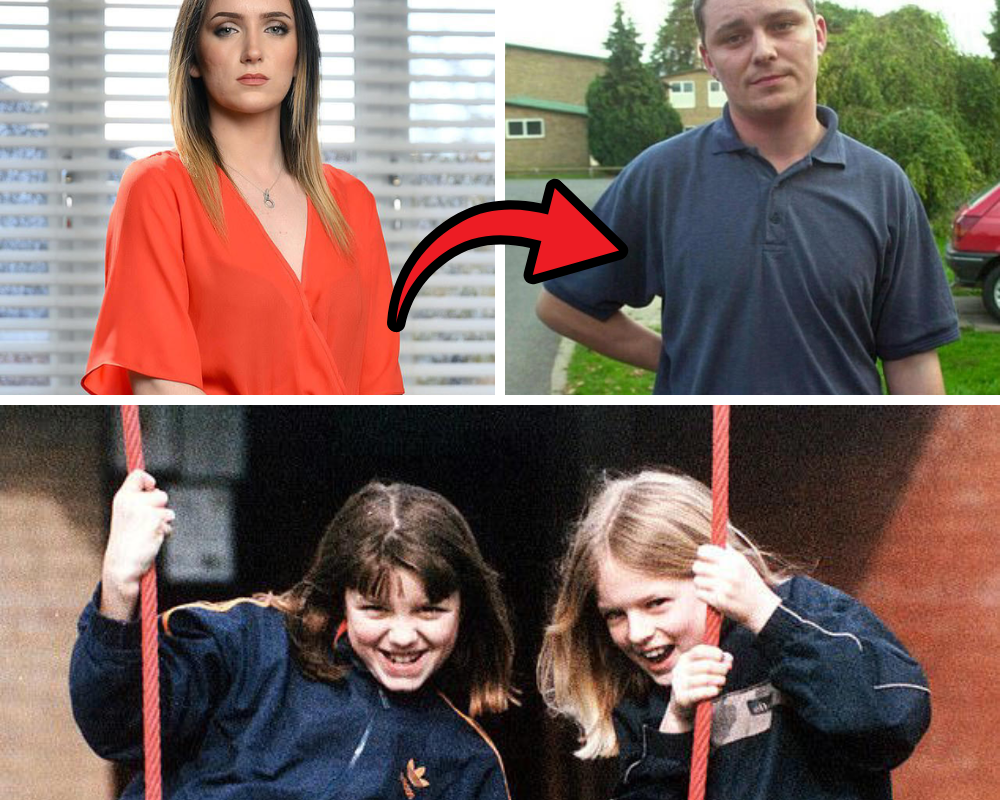
Ian Huntley’s Daughter ‘Disgusted’ After Police Ask If She Wants to Pay Towards the Soham Killer’s Funeral
In a development that has reignited public outrage and stirred painful memories of one of Britain’s most notorious crimes, the daughter of Soham child killer Ian Huntley has spoken out…
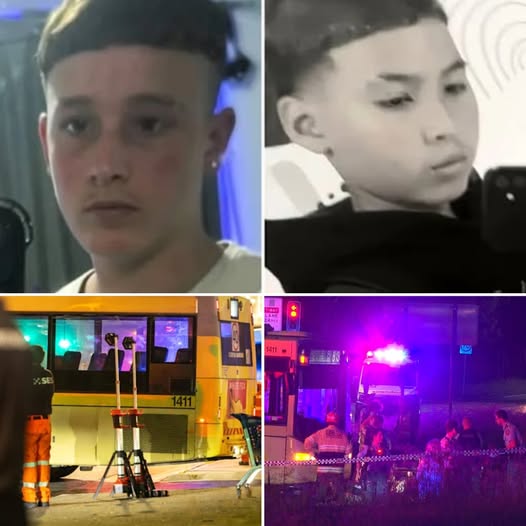
“They Were Laughing… Seconds Later It Was Over” — Final Ride of Best Mates Adrian Lai (14) and William Drake (15) Ends in Devastating Crash That’s Shaking Bossley Park
In a heartbreaking tragedy that has left a Western Sydney community reeling, two inseparable teenage best friends — Adrian Lai, 14, and William Drake, 15 — lost their lives in…
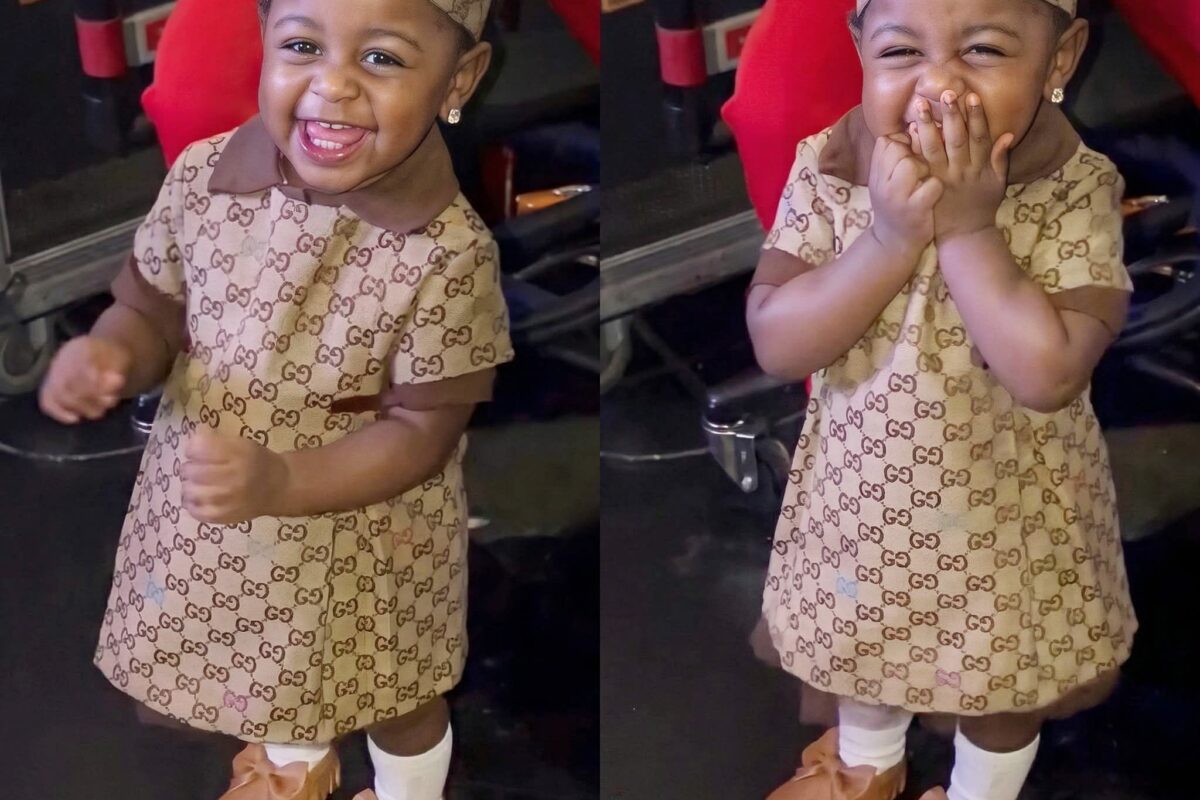
So Cute! Cardi B’s Youngest Daughter Blossom Steals Hearts Backstage During Her Second Sold-Out Show at Madison Square Garden in NYC
In a heartwarming moment that has fans melting across social media, Cardi B’s youngest daughter with Offset, Blossom, was spotted backstage at her mother’s second sold-out concert at New York’s…
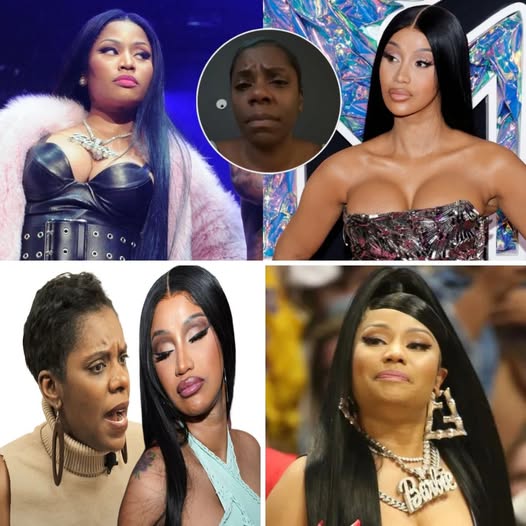
NICKI MINAJ SHOCKS HIP-HOP WITH SURPRISE $3,000 DONATION TO TASHA K’S GOFUNDME – FUELING THE CARDI B FEUD IN A SAVAGE PLOT TWIST
In one of the most unexpected moves in recent hip-hop drama, Nicki Minaj has thrust herself into the long-running legal and personal battle between Cardi B and controversial blogger Tasha…
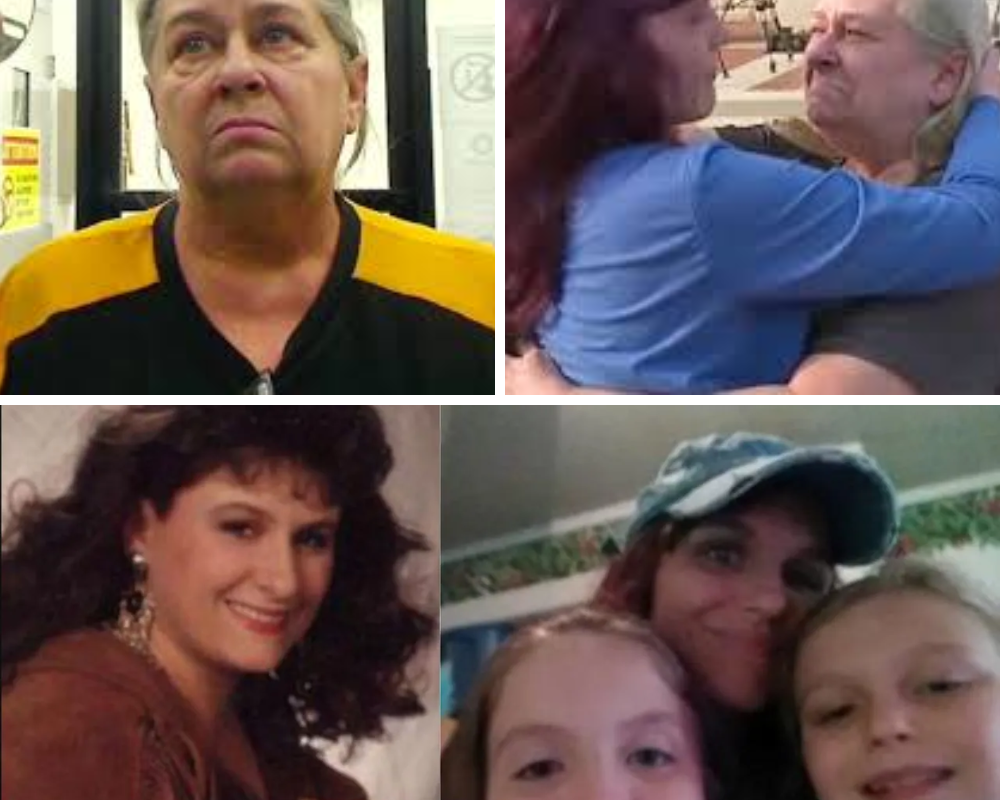
FINALLY TOGETHER: A Heart-Wrenching Reunion as North Carolina Mother Missing for 24 Years Embraces Her Daughter – Tears Flow, But the Emotional Weight Shatters Old Wounds
In a scene straight out of a Lifetime movie yet rooted in raw, complicated reality, Michele Hundley Smith, a North Carolina mother who vanished without a trace more than two…
End of content
No more pages to load