BBC’s Kin: A Gripping Dive into Dublin’s Brutal Criminal Underworld
In the shadowy alleys and tightly knit communities of Dublin, where loyalty is currency and betrayal can cost everything, BBC’s crime drama Kin has emerged as one of the most intense and addictive television experiences in recent years. This Irish-produced series, which found a massive audience on BBC One and iPlayer, plunges viewers into the volatile world of the Kinsella family—a fictional clan deeply embedded in the city’s gangland operations. With its raw portrayals of power struggles, familial bonds pushed to the breaking point, and shocking acts of violence, Kin delivers nonstop tension that has left audiences breathless, often binge-watching entire seasons in a single sitting.
At its core, Kin explores what happens when a family’s criminal enterprise collides with forces far larger and more ruthless than itself. The story kicks off with a seemingly minor incident that spirals into an all-out war. The Kinsellas, a relatively small but cohesive outfit involved in drug distribution and other illicit activities, find themselves at odds with the powerful Cunningham cartel led by the calculating Eamon Cunningham. What begins as a territorial dispute escalates dramatically when a young member of the Kinsella family is killed, igniting a cycle of revenge that tests every relationship within the clan.
The series masterfully balances high-stakes action with intimate character drama. Viewers are drawn not just by the bloody confrontations and strategic mind games, but by the deeply human stories unfolding behind the violence. Family members grapple with grief, ambition, loyalty, and the moral weight of their choices. In a world where “kin” means everything, the drama reveals how blood ties can both empower and destroy.
A Stellar Ensemble Cast Bringing Authenticity to the Screen
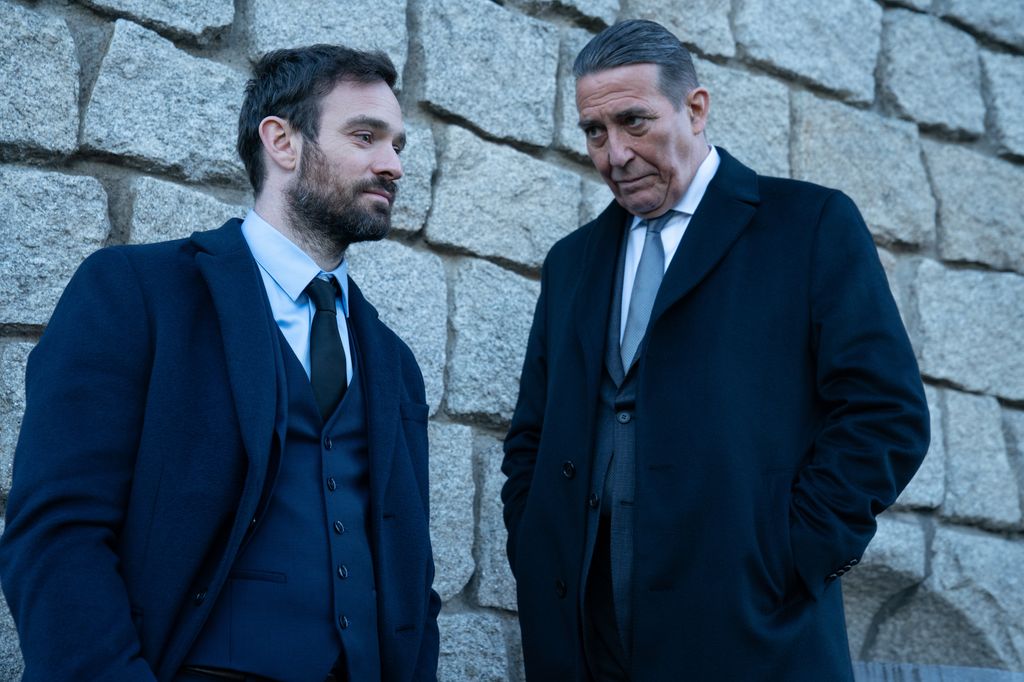
The strength of Kin lies heavily in its exceptional cast, populated by some of Ireland and Britain’s finest actors who lend the series a palpable sense of realism. Charlie Cox, best known for his role as Daredevil in the Marvel universe, delivers a nuanced performance as Michael “Mickey” Kinsella. Recently released from prison, Michael returns to the family fold torn between rebuilding a legitimate life—particularly fighting for custody of his daughter—and being pulled back into the criminal lifestyle he knows so well. His internal conflict provides much of the emotional heart of the series.
Clare Dunne shines as Amanda Kinsella, the wife of hot-headed Jimmy (Emmett J. Scanlan). Amanda’s arc, marked by profound grief and a steely determination for vengeance, stands out as one of the most compelling in the show. Her transformation from a grieving mother into a strategic player in the family’s power plays adds layers of complexity and intensity. Aidan Gillen, recognizable from Game of Thrones and The Wire, brings his signature intensity to Frank Kinsella, the pragmatic leader trying to hold the family together amid escalating threats.
Ciarán Hinds commands the screen as Eamon Cunningham, the formidable antagonist whose calculated ruthlessness makes him a terrifying foe. The supporting cast, including Maria Doyle Kennedy as Bridget “Birdy” Goggins and Sam Keeley as Eric “Viking” Kinsella, rounds out a ensemble that feels authentically rooted in Dublin’s working-class culture. Their performances elevate the script, turning familiar gangster tropes into lived-in, believable characters whose flaws and virtues make them compelling to watch.
Season 1: David vs. Goliath in the Streets of Dublin
The first season sets the stage with explosive force. After a botched attempt by Frank’s son Eric to eliminate a rival dealer, the Cunninghams retaliate brutally, killing young Jamie Kinsella. The family’s decision to strike back against a vastly superior international cartel creates a classic underdog narrative—outnumbered, outgunned, and out-financed. Yet the Kinsellas possess something their enemies lack: unbreakable (though often strained) bonds of blood.
Episodes unfold with mounting suspense as the family holes up in their Dublin stronghold, their businesses crumbling while associates and relatives are systematically targeted. Funeral scenes crackle with tension, alliances fracture, and desperate plans are hatched in smoky rooms and rain-slicked streets. The writing, primarily by Peter McKenna, smartly avoids glorifying the violence, instead highlighting its devastating personal toll. Viewers witness not only shootouts and betrayals but also the quiet moments of family dinners, hushed conversations, and attempts at normalcy that make the chaos feel all the more real.
What keeps audiences hooked is the relentless escalation. Every episode seems to raise the stakes higher, with shocking twists that upend expectations. Amanda’s evolving role, in particular, drives much of the narrative momentum, as her quest for justice forces the family to confront uncomfortable truths about their operations and loyalties. The gritty cinematography captures Dublin’s urban landscapes—the council estates, pubs, and backstreets—making the city itself feel like a central character, brooding and unforgiving.
Season 2: Internal Betrayals and New Threats
If Season 1 was about external war, Season 2 turns the lens inward while introducing even deadlier external pressures. With Eamon Cunningham’s arc reaching its conclusion, the family finds itself at the top of Dublin’s crime scene—but success brings new enemies. A Turkish cartel emerges demanding repayment of old debts, while internal fractures threaten to tear the Kinsellas apart.
The return of Brendan “Bren” Kinsella (Francis Magee), the family patriarch recently released from prison, injects fresh volatility. Bren’s manipulative and violent presence disrupts the fragile peace, forcing siblings Michael and Jimmy to navigate shifting allegiances. Old resentments resurface, and the once-solid family unit begins showing dangerous cracks. Amanda’s leadership is challenged, and the series delves deeper into themes of legacy, power, and the cyclical nature of violence.
The writing maintains its sharp edge, blending procedural elements of gangland strategy with raw emotional drama. Action sequences remain visceral and consequential, never feeling gratuitous. By the season’s end, viewers are left contemplating the heavy cost of “family first” in a world where trust is a luxury few can afford.
Why Viewers Can’t Stop Watching
Kin has struck a chord with audiences for several reasons. First, its authenticity. Filmed in Dublin with Irish creators and a predominantly Irish cast, the series feels grounded in real cultural and social dynamics of the city’s underworld, drawing loose inspiration from notorious real-life feuds without being a direct retelling.
Second, the pacing is masterful. Many viewers report staying up all night to finish episodes because the tension rarely lets up. Cliffhangers and revelations ensure that “just one more” becomes the mantra of binge sessions. The dialogue crackles with authenticity—sharp, profane, and emotionally charged—while David Holmes’ score underscores the menace and melancholy.
Critically, the show has been lauded, earning a perfect 100% on Rotten Tomatoes for Season 1 based on reviews praising its character work and gripping storytelling. Audiences echo this, calling it riveting, hard-hitting, and one of the best crime dramas in years. Comparisons to classics like The Godfather, Gomorrah, or even Irish predecessors like Love/Hate are common, yet Kin carves its own identity through its focus on familial psychology amid the brutality.
The series also excels in its portrayal of strong female characters. Amanda and Birdy are not mere accessories to male-driven plots; they are active, complex agents whose decisions shape the family’s fate. This balance adds emotional depth often missing in the genre.
A Potential Modern Classic?
As Kin continues to stream on BBC iPlayer and Netflix, drawing new fans with its blend of explosive power struggles, intimate betrayals, and unflinching looks at loyalty’s price, it cements itself as a standout in BBC’s lineup of crime dramas. Its ability to humanize characters operating on the wrong side of the law—showing their love, regrets, and vulnerabilities—elevates it beyond simple thrills.
In an era of endless streaming options, Kin stands out by refusing to pull punches. It delivers the brutal intensity promised in its reputation: bloody confrontations, explosive shifts in power, and suspense that tightens with every episode. For fans of gritty, character-driven crime sagas, it offers a compelling argument for being one of the year’s—or the decade’s—most addictive obsessions.
Whether you’re drawn to the strategic chess games of gangland Dublin, the raw performances, or the exploration of family under fire, Kin delivers on all fronts. Just be prepared: once you start, clearing your schedule might be wise. The Kinsellas’ world is hard to leave behind.