For more than two centuries, readers and viewers have been swept away by the sparkling romance between Elizabeth Bennet and Mr. Darcy. The witty banter, the grand misunderstandings, the triumphant happy ending — it has defined what we think a Regency love story should be.
But what if we’ve been watching the wrong story all along?
The BBC’s daring new limited series The Other Bennet Sister flips the entire narrative on its head by placing Mary Bennet — the plain, overlooked, middle sister — at the very center of the tale. What emerges is not another light-hearted romance, but a haunting, psychologically rich, and often unsettling portrait of a young woman who has spent her entire life in the shadows of her more beautiful and vivacious sisters.
Gone is the comforting familiarity of Elizabeth’s sharp tongue and Darcy’s brooding pride. In its place is something darker, more intimate, and far more uncomfortable: the raw, aching truth of what it means to be the sister nobody sees.
From the very first episode, the series makes its intentions crystal clear. We meet Mary not as the moralising, plain-faced spinster of Austen’s original novel, but as a complex, intelligent, and deeply lonely young woman whose quiet desperation has been hiding in plain sight for 200 years. While her sisters chase husbands, attention, and social triumph, Mary buries herself in books, music, and rigid self-improvement, desperately trying to earn the love and recognition that always seems reserved for everyone else.
The performance at the heart of the series is breathtaking. The actress playing Mary brings a quiet intensity that makes every glance, every hesitant sentence, and every moment of suppressed pain feel achingly real. Her Mary is not ridiculous or pitiable — she is painfully human. Viewers find themselves unexpectedly moved by her loneliness, her fierce intelligence, and the quiet rage she has carried for years while watching her family revolve around her more “accomplished” sisters.
The series doesn’t simply retell Pride and Prejudice from a different point of view. It actively dismantles the original story’s assumptions. Scenes we thought we knew take on entirely new, sometimes disturbing meanings when filtered through Mary’s perspective. Mr. Darcy’s famous proposal to Elizabeth, once seen as the pinnacle of romantic tension, now feels cold and arrogant when observed from the margins. Mrs. Bennet’s obsession with marrying off her daughters becomes less comical and more cruel when we witness its devastating effect on the daughter who is constantly reminded she is the least desirable. Even Mr. Bennet’s dry wit takes on a sharper, more painful edge when we see how his favouritism has quietly wounded Mary for years.
What makes The Other Bennet Sister so compelling — and so divisive — is its willingness to lean into psychological darkness. This is not the bright, sunlit Regency world of ballroom dances and elegant courtship. It is a story of emotional neglect, sibling rivalry, class anxiety, and the suffocating pressure placed on women who do not fit the narrow definition of what makes a girl “marriageable.”
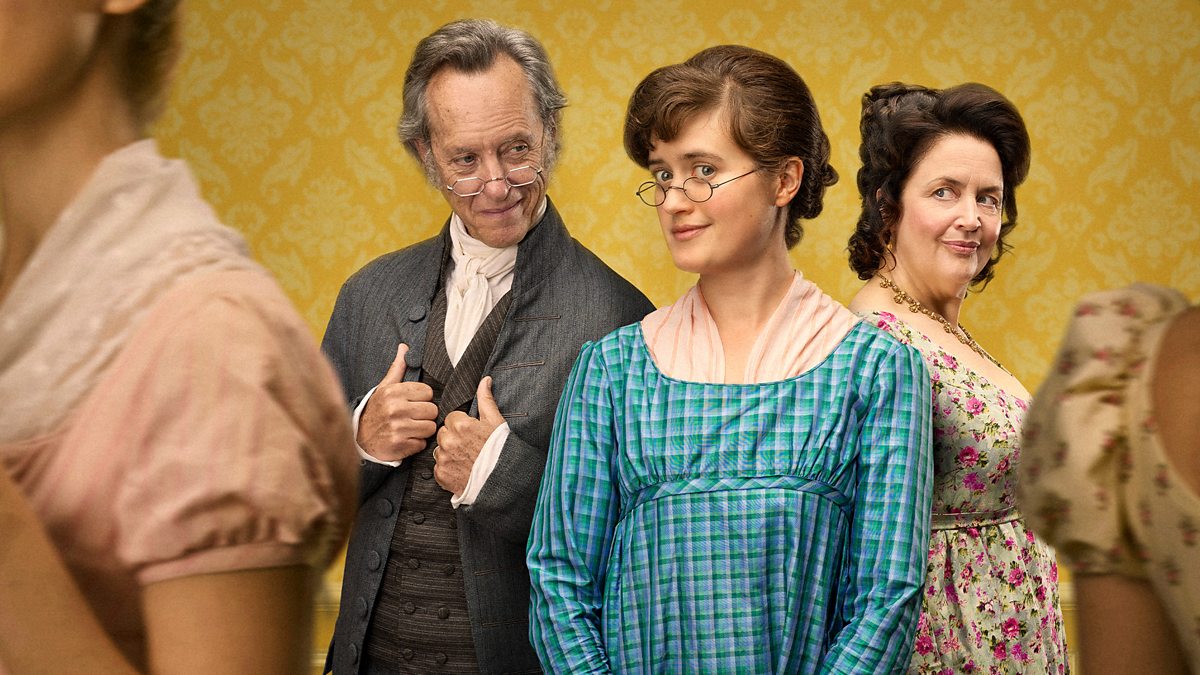
The series also introduces new layers to familiar characters. Jane’s sweetness is revealed as a carefully maintained performance that sometimes borders on emotional repression. Lydia’s wild energy is shown as both liberating and dangerously self-destructive. Even Elizabeth, the beloved heroine of the original, is portrayed with more complexity — her wit occasionally tipping into thoughtless cruelty toward the sister who admires her most.
At its core, the show asks a provocative question: What if the real love story was never about Elizabeth and Darcy at all? What if the most compelling, heartbreaking, and ultimately redemptive journey belongs to the sister everyone overlooked?
As the episodes progress, Mary’s quiet rebellion begins to take shape. Her intellectual pursuits, once mocked, become her greatest strength. Her moral compass, so often dismissed as priggish, starts to feel like a rare form of integrity in a world obsessed with appearances. And when she finally begins to speak her truth — first in hesitant whispers, then in moments of raw honesty — the effect is electrifying.
Social media has exploded with reactions. Viewers are posting lengthy threads analysing how the series has permanently altered their understanding of Austen’s world. “I’ll never look at Mr. Darcy the same way again,” has become a common refrain. Others admit they find themselves crying during scenes they once skimmed over in the novel. Many are calling it “hauntingly brilliant” and “the most necessary adaptation of the decade.”
The internet’s obsession is understandable. In an era when conversations about invisible labour, emotional neglect, and the pressure to perform femininity are at an all-time high, Mary Bennet suddenly feels incredibly modern. Her struggle to be seen, valued, and loved for who she truly is resonates deeply with audiences who have ever felt like the “other” sister, the “plain” one, or the one who was never quite enough.
The production design and cinematography further enhance this shift in perspective. While Elizabeth’s scenes in the original story often glowed with golden light and romantic possibility, Mary’s world is rendered in cooler, more muted tones. The camera lingers on her face during family gatherings, capturing the micro-expressions of pain when she is overlooked yet again. The Bennet household, once portrayed as chaotically charming, now feels claustrophobic and emotionally volatile when viewed through Mary’s eyes.
What truly sets The Other Bennet Sister apart is its refusal to offer easy comfort. This is not a story that rushes toward a conventional happy ending. Mary’s journey is messy, painful, and at times deeply lonely. The series respects her enough to let her struggle, to let her make mistakes, and to let her grow on her own terms rather than forcing her into the role of romantic heroine simply to satisfy audience expectations.
By the time the final episodes air, many viewers report feeling profoundly changed. The “classic” love story between Elizabeth and Darcy still exists in the background, but it no longer dominates the narrative. Instead, it serves as a haunting counterpoint to Mary’s quieter, more internal transformation.
The whispers were true. We really have been watching the wrong story for two hundred years.
The Other Bennet Sister doesn’t just retell Pride and Prejudice — it excavates it. It digs beneath the sparkling surface of balls, proposals, and misunderstandings to reveal the emotional cost paid by the sister who was never allowed to shine. In doing so, it transforms a beloved classic into something richer, darker, and far more emotionally honest.
Mary Bennet was never just the plain, moralising sister in the corner. She was never just the punchline. She was never just the one you were meant to forget.
She was the sister telling the truth all along.
And now, finally, the world is listening.
News

Bryan Cranston’s Daughter Taylor Dearden Shocks Everyone: No One Recognizes Her Even When She’s Standing Right in Front of Them — But That’s About to Change
In the crowded, high-stakes world of HBO’s breakout medical drama The Pitt, where every actor delivers intense, sweat-soaked performances amid the chaos of a busy emergency room, one performer has…
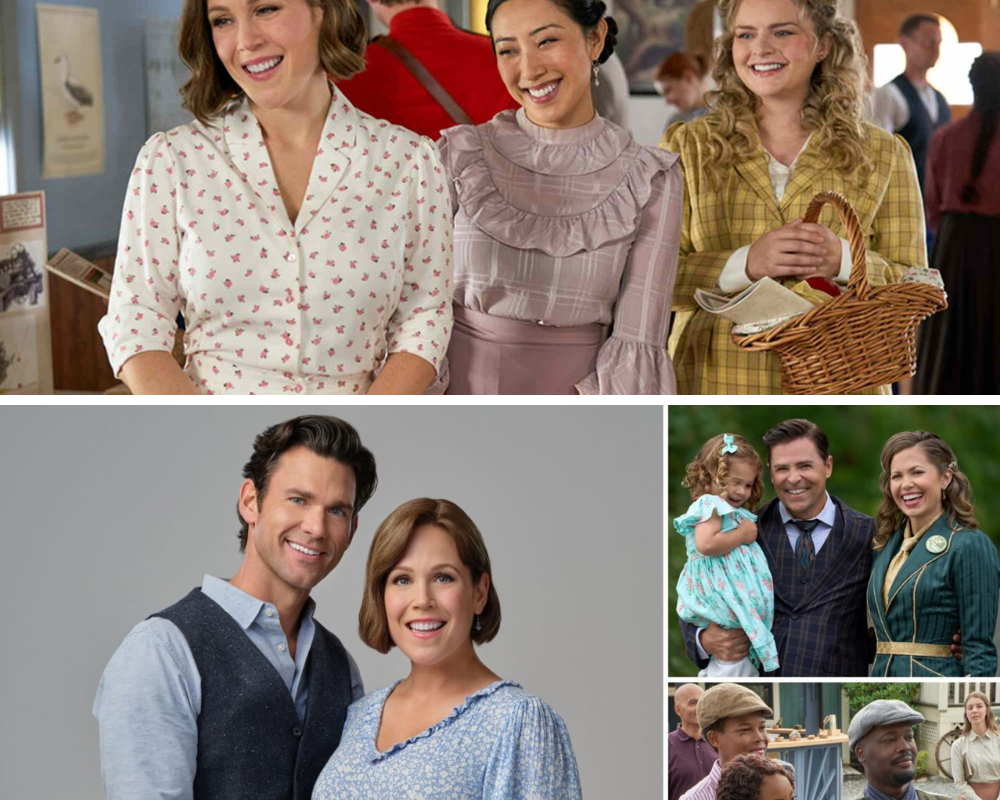
“SHE FINALLY SAID YES?” — When Calls the Heart Season 13 Finale Teaser Ignites Massive Fan Frenzy as Elizabeth Thatcher Appears on the Verge of Accepting Nathan Grant’s Long-Awaited Proposal
The wait is almost over, and the internet is losing its collective mind. The official teaser for the Season 13 finale of When Calls the Heart has just dropped, and…

The Countdown to The Chosen Season 6 Has Begun, Promising the Most Emotionally Intense and Heart-Wrenching Season Yet as Jesus Faces His Toughest Choices
The wait is almost over. After years of building one of the most beloved and widely watched faith-based series in history, The Chosen is preparing to enter its most pivotal…

NCIS Descends Into Total Chaos After Director Vance’s Shocking Death, Sparking a Ruthless Power Struggle That Could Destroy the Agency From Within
The unthinkable has finally happened. After more than two decades as the calm, calculating heart of America’s most elite federal agency, NCIS Director Leon Vance is dead — and the…
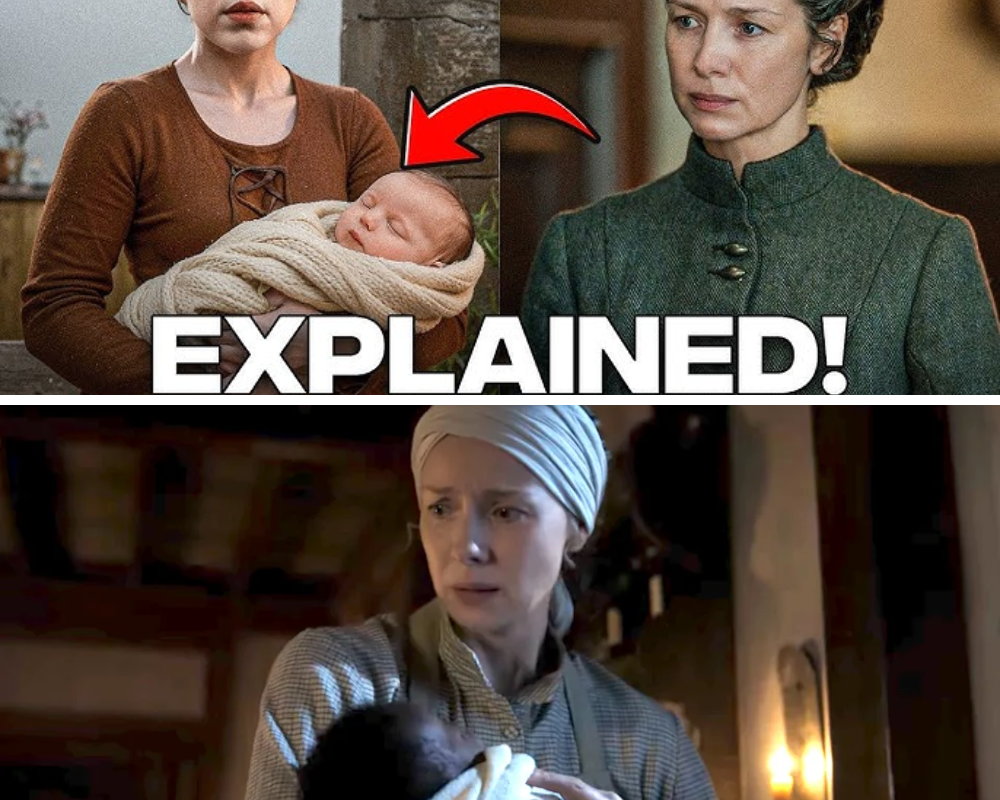
That One Heart-Stopping Scene in Outlander Season 8 Finally Proves Claire Fraser’s Power Goes Far Beyond the Stones, and What She Did to Save the Baby Changes Everything
In the newest episodes of Outlander Season 8, a single moment has fans rewatching, pausing, and dissecting every frame with breathless intensity. It’s the scene where Claire Fraser, hands trembling…

THEY LAUGHED AT MY FADED JEANS AND SPLASHED WATER IN MY FACE IN A MILITARY COURTROOM – UNTIL THE ADMIRAL WALKED IN AND DID THIS
THEY LAUGHED AT MY FADED JEANS AND SPLASHED WATER IN MY FACE IN A MILITARY COURTROOM – UNTIL THE ADMIRAL WALKED IN AND DID THIS The ice-cold water stung my…
End of content
No more pages to load