Netflix subscribers are losing sleep over Animal Kingdom, the gritty family crime saga that has surged back into the spotlight since landing on the platform. Originally airing on TNT from 2016 to 2022 across six intense seasons and 75 episodes, the series—adapted from the acclaimed 2010 Australian film—has earned a fervent fanbase calling it one of the most addictive shows they’ve ever binged. With its explosive premiere episode hooking viewers instantly, the drama unravels layers of family secrets, fractured loyalties, and constant peril lurking within the home. Warnings abound online: once you dive in, there’s no escape—the tension builds relentlessly, leaving audiences on edge and craving the next episode long into the night.
The story kicks off with a gut-punch. Seventeen-year-old Joshua “J” Cody (Finn Cole) loses his mother to a heroin overdose, forcing him to relocate to Oceanside, California, with his estranged relatives: the Cody family. What seems like a fresh start quickly reveals a dangerous reality. The Codys aren’t an ordinary dysfunctional clan—they’re a tight-knit criminal enterprise thriving on high-stakes heists, armed robberies, and whatever else funds their extravagant, sun-soaked lifestyle. At the helm is the formidable matriarch Janine “Smurf” Cody (Ellen Barkin in Seasons 1-4), a charismatic yet ruthless figure who commands absolute loyalty from her sons while manipulating everyone around her.
J’s uncles form the core crew: Andrew “Pope” Cody (Shawn Hatosy), the eldest and most volatile, fresh out of prison after taking the fall for a job gone wrong; Craig Cody (Ben Robson), the fearless, adrenaline-junkie middle brother; Deran Cody (Jake Weary), the youngest, grappling with his identity and simmering resentments; and Barry “Baz” Blackwell (Scott Speedman), Smurf’s adopted son who often acts as the strategic voice of reason—though his own ambitions create fractures. J, thrust into this world, must navigate survival, prove his worth, and decide how far he’ll go to belong.
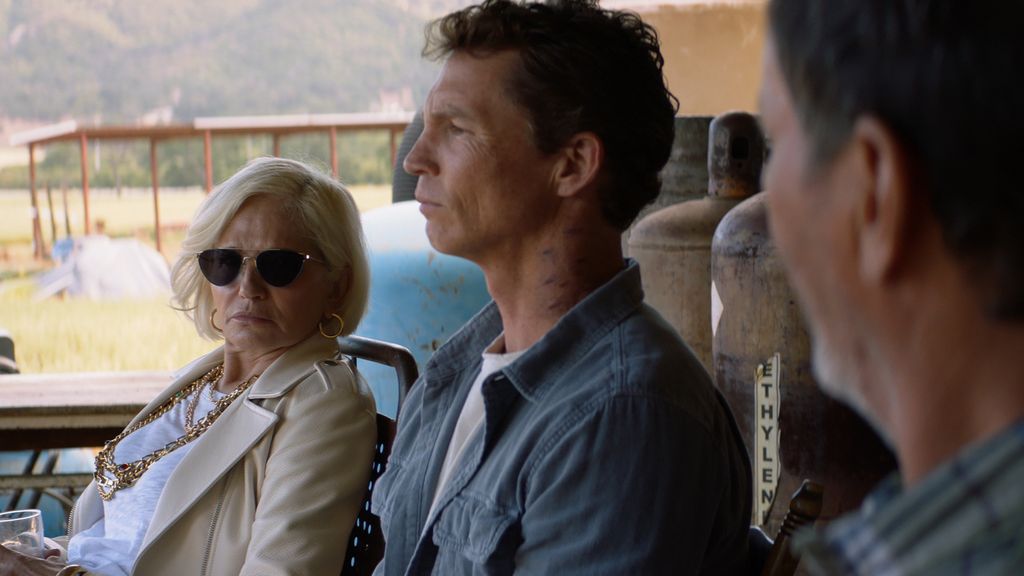
From the pilot, the series wastes no time plunging into chaos. J witnesses a brazen robbery, gets pulled into the family’s orbit, and soon participates in schemes that escalate from small scores to elaborate bank jobs and drug deals. The Codys operate with a code—family first—but that code bends and breaks under greed, jealousy, betrayal, and external pressures from rivals, law enforcement, and their own demons. Smurf’s iron grip holds the unit together, but her favoritism, hidden agendas, and increasingly erratic behavior sow seeds of discord that explode across the seasons.
The show’s addictive quality stems from its masterful blend of high-octane action and deep psychological drama. Episodes deliver pulse-racing heists—skydiving celebrations after successful jobs, tense stakeouts, and brutal shootouts—while delving into the toxic dynamics that define the family. Pope’s mental instability and obsessive tendencies create chilling tension; Craig’s substance-fueled recklessness leads to devastating consequences; Deran’s internal conflicts add emotional layers; and Baz’s calculated moves often pit him against Smurf’s authority. J evolves from naive outsider to cunning player, his moral compass tested at every turn.
Barkin’s portrayal of Smurf stands as a highlight—fierce, seductive, and terrifying in equal measure. Her ability to shift from nurturing mother to cold manipulator keeps viewers guessing. After her exit, the series shifts focus to the brothers’ power struggles, with J emerging as a central force. Later seasons introduce new threats: rival gangs, undercover cops, and internal power grabs that push the family to the brink.
Fans rave about the escalating intensity. Many describe Seasons 1 through 4 as building momentum, with later installments amplifying the stakes through betrayals and losses that feel earned and heartbreaking. The writing keeps twists coming—alliances shatter, secrets surface, and no one is truly safe. The Southern California setting contrasts sharply with the darkness: bright beaches and ocean views mask the moral decay, amplifying the sense of entrapment.
Comparisons to classics like Breaking Bad, Ozark, and Sons of Anarchy abound, yet Animal Kingdom carves its own niche with its emphasis on family as both sanctuary and prison. The ensemble chemistry is electric—Hatosy’s haunting Pope, Robson’s charismatic Craig, Weary’s brooding Deran, and Cole’s compelling J create a believable, volatile unit. Supporting players like Leila George, Molly Gordon, and Carolina Guerra add depth to the web of relationships.
Critically, the series earned praise for its bold storytelling and performances, with viewer scores consistently high—around 88-91% on platforms like Rotten Tomatoes. Online communities explode with discussions: “I binged all six seasons and I’m devastated it’s over,” one fan writes, while another calls it “phenomenal—better than anything else I’ve seen.” The darkness—graphic violence, drug use, manipulation, and emotional cruelty—makes it heavy, but that’s part of the draw. Viewers warn it’s not for the faint-hearted, yet the payoff in character development and shocking moments keeps them hooked.
As Animal Kingdom climbs Netflix charts in early 2026, new audiences discover what longtime fans have championed: a show that grabs you from the first episode and refuses to let go. Secrets unravel episode by episode, loyalties fracture under pressure, and danger feels intimate because it comes from within the family. The tension is unrelenting—perfect for late-night binges that leave you wired and reflective.
If you’re seeking a crime drama that combines visceral thrills with raw human complexity, Animal Kingdom delivers. It’s not just entertainment; it’s an obsession. Once the Codys pull you in, there’s no turning back—and sleep becomes optional.