‘AFTER EVERYTHING THEY’VE BEEN THROUGH… ARE THEY STILL FRIENDS?’ The Four Seasons Finale Delivers an Emotional Twist That Left Fans Stunned — and Raises One Huge Question About the Future of the Group!
Netflix’s The Four Seasons has carved out a special place in viewers’ hearts as a witty, heartfelt comedy-drama that examines the messy realities of long-term friendships, marriage, and aging. Adapted from Alan Alda’s 1981 film and reimagined by creators Tina Fey, Lang Fisher, and Tracey Wigfield, the series follows three couples who maintain their bond through quarterly getaways. What starts as lighthearted escapism unravels into profound explorations of love, loss, identity, and change. The Season 2 finale, which aired recently, delivers a poignant culmination of these themes, leaving audiences emotionally spent and passionately debating the group’s future.
At its core, The Four Seasons centers on Kate (Tina Fey) and Jack (Will Forte), Nick (Steve Carell) and Anne (Kerri Kenney-Silver), and Danny (Colman Domingo) and Claude (Marco Calvani). These six friends have shared decades of laughter, arguments, and milestones through their seasonal trips. Season 1 upended their world when Nick shocked everyone by divorcing Anne and beginning a relationship with the much younger Ginny (Erika Henningsen). The season built to a devastating twist: Nick’s sudden death in a car accident, a bold departure from the original film that forced the remaining characters into raw grief and reevaluation.
Season 2 picks up in the aftermath, with the group navigating life without their charismatic connector, Nick. The friends continue their tradition of quarterly vacations, but everything feels heavier. Kate and Jack grapple with their own marital strains while supporting each other through mourning. Danny and Claude explore new chapters, including a move to Italy, while wrestling with family obligations and the desire for meaning. Anne, newly single after a long marriage, embarks on a journey of self-reinvention, oscillating between independence and lingering attachments. Ginny, carrying Nick’s child, becomes an unlikely but integral part of the extended family.
The Season 2 finale brings the group together for a Christmas getaway in Italy, hosted by Danny and Claude in their new home. On paper, it promises warmth and reconnection; in reality, it exposes unresolved tensions. Jack battles feelings of failure after losing his best friend and falling short of personal goals, including a marathon attempt that becomes a powerful metaphor for perseverance. Kate, ever the pragmatic one, pushes him forward, leading to a touching moment of vulnerability and reaffirmation of their bond as soulmates. Their shared run across the finish line symbolizes not just physical endurance but emotional resilience.
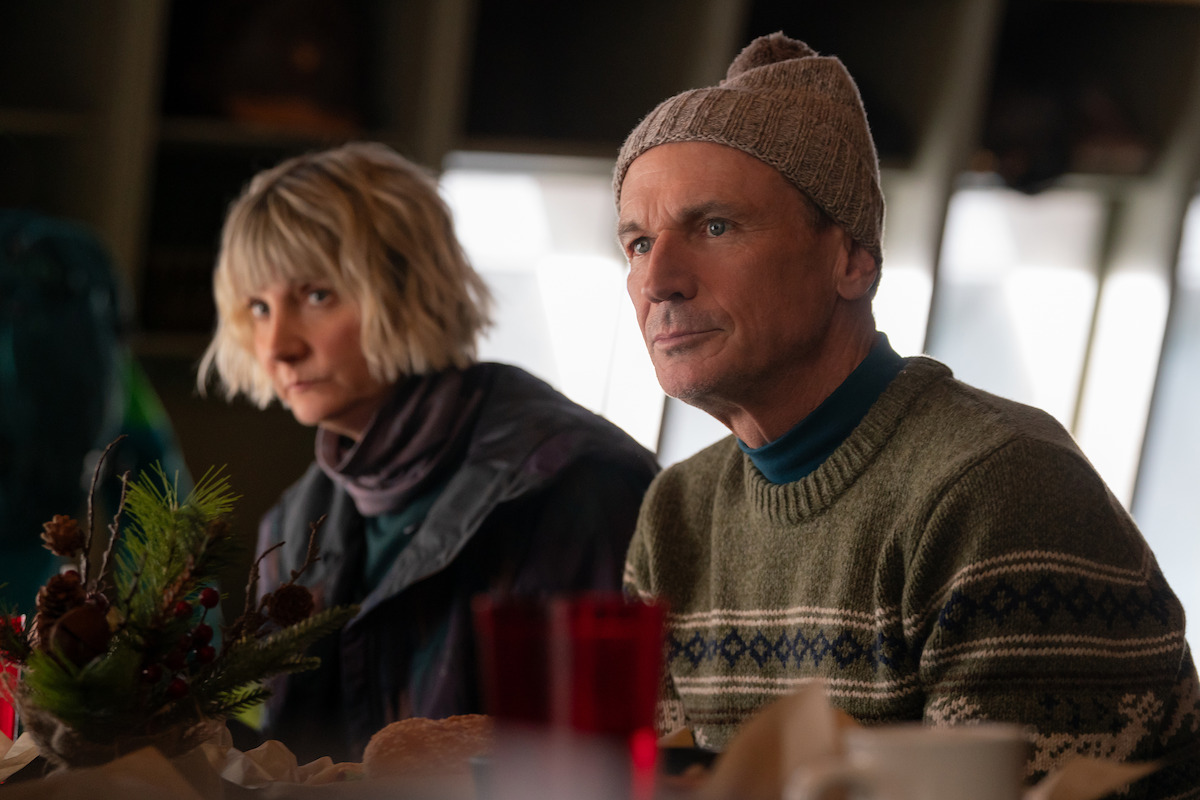
Anne’s arc reaches a satisfying yet bittersweet peak. After months of feeling adrift, she chooses to stay in Italy for a period, house-sitting for Danny and Claude. In a charming, flirtatious encounter arranged by the show’s creators, she meets Gianpiero (David Tennant), sparking the possibility of new romance. This development allows Anne to embrace “Anne Classic”—her authentic self—free from past expectations. Her growth from resentment toward Nick and Ginny to acceptance and generosity highlights the series’ nuanced take on forgiveness and moving forward.
Danny and Claude face their own crossroads. Having built a life in Claude’s Italian hometown, they must return to the U.S. to care for Danny’s ailing mother. Their decision to prioritize family underscores themes of duty, love, and compromise. The couple’s dynamic, often a source of humor and heart, evolves as they reconcile differing approaches to grief and the future.
Ginny’s presence, and the arrival of Nick’s child (named Beverly in some references), serves as a living link to the departed friend. The group’s willingness to embrace her and the baby illustrates how friendship can expand to include new members while honoring the past. A tender toast to Nick’s memory in the finale blends nostalgia, sorrow, and hope.
The emotional twist in the finale isn’t a single shocking revelation but the cumulative weight of quiet realizations: life continues, bonds shift, and “forever” friendships require active effort amid inevitable change. Characters confront uncomfortable truths about growing older, the limits of loyalty, and whether their shared history is enough to sustain them through new seasons of life. Some viewers found the tonal shift toward heavier introspection surprising after the lighter earlier episodes, but it feels earned and authentic.
Performances elevate the material. Tina Fey brings her signature sharp humor laced with vulnerability as Kate. Will Forte’s Jack is endearingly flawed yet deeply relatable. Colman Domingo and Marco Calvani share believable chemistry as Danny and Claude. Kerri Kenney-Silver shines in Anne’s evolution, while Erika Henningsen adds layers of complexity to Ginny. Steve Carell’s Nick, though gone, looms large through flashbacks and memories, his absence a constant presence. David Tennant’s cameo injects fresh energy and charm.
Visually, the series excels with stunning locations—from cozy lake houses to Italian villas—that mirror the characters’ internal journeys. The writing balances laugh-out-loud moments with sincere conversations about mortality, regret, and joy. It avoids easy resolutions, instead offering hopeful ambiguity: the friends are changed but committed to trying.
Fan reactions have been passionate. Many praise the finale for its emotional honesty and character-driven storytelling, calling it a fitting close to a season defined by adaptation and loss. Others debate whether the group dynamic can endure without Nick’s spark, sparking speculation about future seasons. The creators have left the door open, suggesting the quarterly trips—and the show—could continue as the characters enter new phases.
The Four Seasons succeeds because it treats its characters as fully realized adults with histories, flaws, and hopes. It doesn’t romanticize friendship or marriage but shows the work required to maintain them. Themes of legacy, chosen family, and reinvention resonate deeply in a world where many grapple with similar transitions. The finale doesn’t provide all the answers, but it leaves viewers with a profound question: after every season of joy and hardship, can these bonds weather whatever comes next?
As fans revisit the series and dissect the finale’s biggest moments—the marathon run, Anne’s new beginning, the group toast, and lingering glances of uncertainty—the show cements its status as more than a remake. It’s a timely reflection on middle age, loss, and the quiet heroism of showing up for one another. Whether this marks the end or a new chapter, The Four Seasons has delivered a memorable journey filled with laughter, tears, and the comforting reminder that true friends, like the seasons, keep cycling back—even when transformed.
In the end, the group toasts not just to the past but to the uncertain, beautiful future. For viewers, that lingering question about their friendship feels less like doubt and more like an invitation to keep watching how these flawed, lovable people navigate whatever season comes next.