In the shadowy corridors of British television, where scandals simmer and secrets fester like untreated wounds, few shows have gripped audiences quite like Line of Duty. Since its unassuming debut on BBC Two in 2012, Jed Mercurio’s unflinching dive into police corruption has ballooned from a niche procedural into a cultural juggernaut, amassing over 100 million views worldwide and earning a shelf full of BAFTA nods. But after the explosive finale of Season 6 in May 2021—where the long-teased identity of the shadowy “H” finally cracked open like a Pandora’s box of institutional rot—the lights went dark. Five years of radio silence followed, a hiatus that left fans pacing like suspects in an interrogation room, whispering theories in online forums and begging for just one more “You were interviewed under caution” twist.
Now, on a crisp November morning in 2025, the BBC has flipped the switch back on. Line of Duty Season 7 is officially greenlit, a six-episode thunderclap promising to plunge Anti-Corruption Unit 12 (AC-12) deeper into the abyss than ever before. Martin Compston, Vicky McClure, and Adrian Dunbar are striding back into the fray as the battle-scarred trio of DS Steve Arnott, DC Kate Fleming, and Superintendent Ted Hastings. Filming kicks off in the rain-slicked streets of Belfast come spring 2026, with the series slated to hit BBC One and iPlayer sometime in late 2026 or early 2027. It’s not just a revival; it’s a resurrection, one that’s already being hailed as the decade’s biggest TV comeback. In an era of glossy reboots and forgettable spin-offs, this feels like a reckoning—raw, relentless, and ready to upend everything we thought we knew about loyalty, justice, and the thin blue line.
For the uninitiated (and shame on you if that’s you), Line of Duty isn’t your standard cop drama. There’s no heroic lone wolf barking orders over a crackling radio, no tidy resolutions wrapped in a bow by fade to black. Created by Mercurio—the surgical mind behind Bodyguard and The Responder—the series dissects the underbelly of law enforcement with the precision of a coroner’s scalpel. Each season orbits a fresh investigation into bent coppers: officers who’ve traded their badges for backroom deals, cover-ups, and worse. But the real genius lies in the meta-layer: AC-12 itself, the internal affairs squad tasked with rooting out the rot, becomes the story’s volatile core. Hastings, with his gravelly Belfast brogue and unshakeable moral compass, leads the charge like a grizzled prophet in a world of false idols. Arnott, the hot-headed Scot with a junkie’s edge and a hero complex, barrels through doors with fists first. And Fleming, the chameleon-like undercover whiz, slinks through the cracks, her quiet intensity masking a storm of doubt and determination.
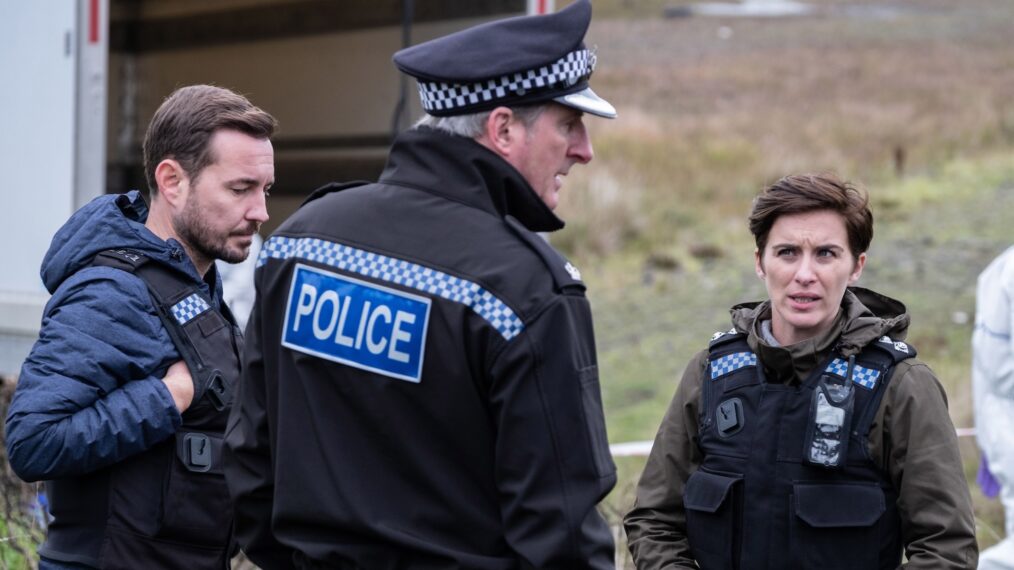
Season 6 left us dangling from a precipice. AC-12 was gutted—Hastings suspended amid whispers of his own complicity, Arnott battered and broken after a brutal ambush, Fleming vanishing into the ether like a ghost in the machine. The “H” conspiracy, that sprawling web of high-level treachery, unraveled in a finale that drew 12.4 million live viewers (and 17 million on catch-up), only to spark furious debate. Was the reveal a masterstroke of subversion, exposing how corruption seeps into the system like ink in water? Or a narrative cop-out that left too many threads frayed? Mercurio, ever the provocateur, doubled down: “We always knew where we were heading.” But the fans? They rioted in the comments sections, petitions circulated, and the #SaveAC12 hashtag trended for weeks. The hiatus stretched on, fueled by rumors of cast scheduling clashes, Mercurio’s packed slate, and the BBC’s post-pandemic budget jitters. By 2024, even Compston was pouring cold water: “No immediate plans.” Then, whispers turned to roars—Dunbar dropping cryptic hints on podcasts, McClure teasing Belfast reunions on Instagram. And just like that, on November 18, 2025, the BBC dropped the bomb: AC-12 endures.
What makes this return seismic isn’t just the nostalgia—it’s the reinvention. The official synopsis teases a world forever altered: AC-12 has been disbanded, rebranded as the sterile, bureaucratic “Inspectorate of Police Standards.” No more rogue operations in dimly lit warehouses; now it’s forms in triplicate, oversight committees breathing down necks, and a chilling reminder that even watchdogs can be muzzled. Into this bureaucratic purgatory drops the case from hell: Detective Inspector Dominic Gough, a silver-tongued rising star with a trail of accolades and a closet full of skeletons. Accused of wielding his rank like a predator’s lure—coercing subordinates into illicit affairs, burying complaints under mountains of red tape—Gough embodies the show’s timeless villain: the charming facade hiding a venomous core. But as Hastings, Arnott, and Fleming claw their way back to the table, the cracks appear. Is Gough a lone wolf, or a pawn in a grander game? Whispers of a “deeper conspiracy” suggest the shadows are longer than ever—perhaps ties to organized crime syndicates, political fixers, or even echoes of the “H” network still pulsing underground. Loyalties will shatter like cheap glass; hidden agendas will slither out from under briefing room doors; and those explosive twists? Mercurio promises they’ll hit harder than a taser to the gut.
The cast’s return feels like slipping into a well-worn leather jacket—comforting, yet edged with the thrill of the unknown. Compston’s Arnott, forever the powder keg with a badge, has evolved through personal hells: the ambush that left him wheelchair-bound, the addictions that clawed at his soul, the romances that crumbled under the job’s relentless grind. “It’s a job of a lifetime,” Compston said in a recent interview, his Scottish lilt laced with genuine awe. “Steve’s been through the wringer, but that’s what makes him unbreakable.” McClure’s Fleming, the emotional anchor with eyes that pierce like laser sights, brings a quiet ferocity that’s defined her career—from This Is England‘s tragic skinhead to Trigger Point‘s bomb-disposal daredevil. She’s the one who bends without breaking, infiltrating the enemy with a smile and a wire. “Belfast, we’ll see you soon,” she posted on social media, a nod to the city’s role as the show’s gritty heartbeat. And Dunbar? The Irish powerhouse whose Hastings thunders like a storm over the Mournes, barking “Mother of God!” at every betrayal. At 67, he’s the moral north star, his face a map of weathered wisdom and barely contained fury. “The Three Amigos are back,” he quipped, toasting the reunion with a pint. “And Jed’s twists? They’ll have you questioning your own front door.”
Mercurio, the architect of it all, is no stranger to high-wire acts. A former doctor turned screenwriter, he crafts narratives that pulse with procedural authenticity—drawing from real scandals like the Post Office Horizon debacle or the grooming gang cover-ups that rocked British policing. “Everyone involved feels enormous gratitude to the fans,” he stated upon the announcement. “We’ve followed the ups and downs of AC-12 for six seasons, and we’re delighted to drag them back into the fire.” Directing duties fall to Jennie Darnell, a Line of Duty veteran whose steady hand guided Seasons 3 and 5, while Ken Horn produces under World Productions’ banner. Executive producers Simon Heath and BBC’s Nick Lambon round out the team, with Northern Ireland Screen once again footing part of the bill for Belfast’s fog-shrouded authenticity. And the guest star slot? That’s the wildcard. Past seasons lured heavy hitters like Keeley Hawes, Stephen Graham, and Thandiwe Newton into the hot seat; speculation’s already rife for Season 7—could it be Paddy Considine as a crooked chief, or Cush Jumbo twisting the knife as a whistleblower gone rogue?
The anticipation is a living thing, crackling across social media like static on a police scanner. X (formerly Twitter) lit up post-announcement, with #LineOfDutyS7 trending UK-wide within hours. Fans dissected the synopsis like evidence logs: “AC-12 disbanded? That’s Hastings’ worst nightmare,” one user posted, racking up thousands of likes. Podcasts dropped emergency episodes, from Shrine of Duty‘s deep-dive to fan theories linking Gough to real-world #MeToo reckonings in the Met Police. Even skeptics, burned by Season 6’s polarizing end, are thawing—”If Mercurio can redeem ‘H,’ he can redeem anything,” reads a viral thread. Families are queuing up marathons on BBC iPlayer, where all prior seasons stream free, turning Sunday nights into interrogation marathons. Internationally, the buzz echoes on BritBox and Acorn TV, where American viewers have adopted it as their gritty antidote to Law & Order reruns. One X post summed it up: “Britain’s back—Line of Duty and The Capture dropping truth bombs again.”
Yet beneath the hype lies the show’s enduring bite: a mirror to society’s fractures. Line of Duty doesn’t just entertain; it indicts. It probes how power corrupts not with cartoonish villains, but with the slow drip of compromise—the affair covered up to protect a pension, the witness intimidated to save face, the systemic bias that lets predators in uniform roam free. In an age of eroded trust—post-Partygate scandals, phone-hacking echoes, and endless inquiries into police misconduct—Season 7 arrives like a gut check. Gough’s alleged predations tap into raw nerves, echoing headlines from Sarah Everard to the Cass Review fallout. Will AC-12 expose the rot, or become its next casualty? As Hastings might growl, “The hunt for the truth never sleeps.”
One thing’s certain: stakes have never been higher. With AC-12’s very existence on the line, loyalties tested to breaking, and secrets poised to erupt like a flashbang in a blackout, this season could redefine the series—or bury it. Mercurio’s track record suggests the former: twists that rewire your brain, interrogations that leave you breathless, and a finale that’ll have pubs emptying into living rooms. Fans, steel yourselves. The chase is far from over. Grab your notebook, mute the phone, and settle in—because when AC-12 knocks, no one’s getting off easy.