Channel 4’s gripping crime drama Patience has made a bold comeback with its second season, premiering on January 7, 2026, and immediately dividing audiences in a way few shows manage. The eight-episode run—expanded from the six episodes of Season 1—dives deeper into oppressive atmospheres, eerie cinematography, and emotionally charged narratives, all while centering on the extraordinary talents of autistic police archivist Patience Evans. Led once again by the remarkable Ella Maisy Purvis in the title role, and now paired with Jessica Hynes as the no-nonsense DI Frankie Monroe, the series has reignited passionate discussions: is this a masterful evolution of a unique detective format, or has it veered into contrived territory?
Season 1, which debuted in early 2025, quickly became one of Channel 4’s standout hits, averaging millions of viewers and earning widespread acclaim for its fresh take on the crime genre. Patience Evans, a brilliant self-taught criminologist working in the Yorkshire Police records department in York, possesses an exceptional eye for detail and pattern recognition stemming from her autism. Her unconventional methods—spotting overlooked clues in archives and crime scenes—propel investigations forward, often outshining traditional detectives. The first season introduced her partnership with DI Bea Metcalf (Laura Fraser), whose mentorship helped Patience transition from a behind-the-scenes role to more active involvement in cases. Viewers and critics praised the nuanced portrayal of autism, avoiding stereotypes and instead showcasing Patience’s strengths alongside the real challenges she faces in a neurotypical world.
Season 2 arrives with significant changes. DI Metcalf has departed for a new job elsewhere, leaving Patience to adjust to a new boss: the fiery, motorbike-riding DI Frankie Monroe, played with sharp intensity by Jessica Hynes. The dynamic shifts from mentorship to a more challenging partnership built on initial clashes, mutual distrust, and gradual respect. Patience navigates not only complex crimes but also personal growth, including tentative steps toward romance and deeper self-understanding. The overarching puzzle box mystery from Season 1 lingers, adding layers of intrigue, while each episode tackles a standalone case with increasingly twisted premises.
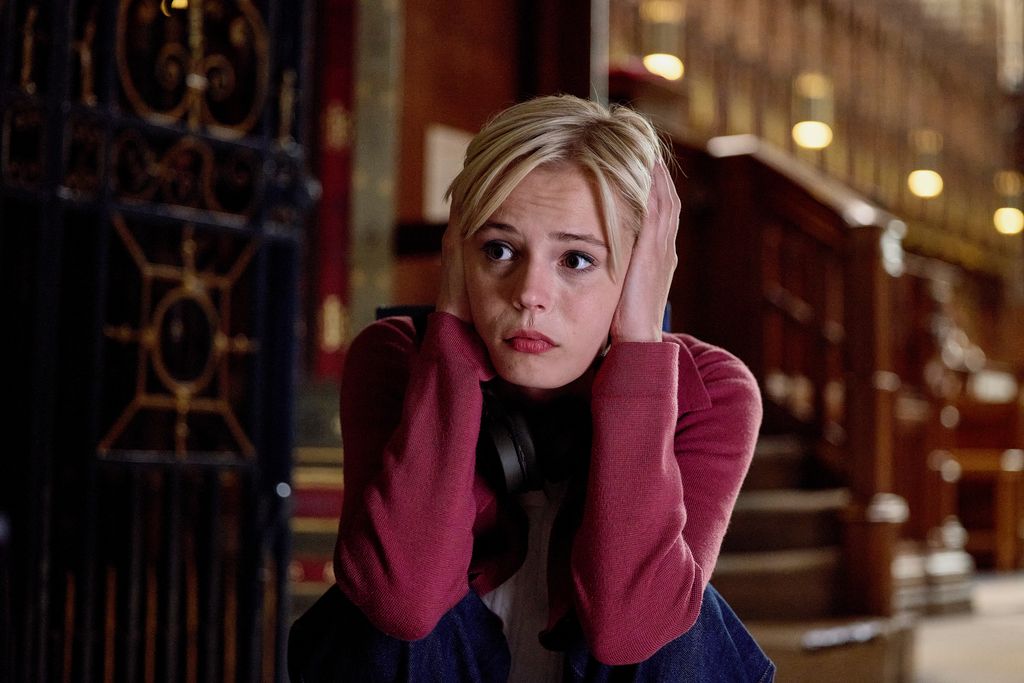
The season opener sets a haunting tone: a photographer is discovered dead with a stake through his heart and bite marks on his neck, evoking vampire lore in a logical, grounded investigation. Subsequent episodes include a music student’s murder in a historic minster, a hostage crisis, and other perplexing scenarios that test Patience’s intuition and Frankie’s street-smart approach. The show’s signature moody visuals—foggy York streets, dimly lit archives, and tense close-ups—amplify the oppressive atmosphere, creating a sense of unease that lingers long after each episode ends.
Fans of the first season have embraced the return with enthusiasm. Many describe it as “absolutely brilliant,” lauding Purvis’s authentic performance—she is autistic herself, bringing genuine insight to the role—and Hynes’s commanding presence as Frankie. The chemistry between the leads evolves compellingly, from friction to a supportive alliance that feels earned. Viewers highlight the emotionally loaded storytelling, particularly Patience’s personal arc involving love, loss, and self-acceptance. The series’ commitment to portraying autism with depth and respect continues to resonate, with autistic audience members praising its realism and avoidance of clichés. For many, it’s the best crime drama they’ve seen, a refreshing departure from formulaic procedurals thanks to its character-driven focus and clever puzzles.
The eerie cinematography and unsettling storylines have also drawn high praise. Shots of York’s historic architecture juxtaposed with modern crime scenes create a haunting backdrop, while the pacing balances suspense with quieter, introspective moments. Some call Season 2 an improvement, more action-packed and emotionally resonant, culminating in a nail-biting hostage storyline and a shocking family revelation for Patience.
Yet not all reactions have been glowing. Critics and some viewers argue the series leans too heavily into its quirks, with plots occasionally crossing into preposterous territory. Cases can feel contrived or overly simplistic, relying on dramatic coincidences or exaggerated incompetence from other officers to highlight Patience’s brilliance. Dialogue sometimes comes across as flat or blunt, and the balance between Patience’s exceptional abilities and the team’s shortcomings can strain credibility. The major cast change—losing Laura Fraser’s Bea—has divided opinions; while many appreciate the fresh dynamic with Hynes, others miss the original chemistry and feel the transition disrupts the show’s rhythm.
Rotten Tomatoes and audience feedback reflect this split: while Season 1 earned strong approval for its fresh angle and Purvis’s terrific performance, Season 2 has drawn more mixed responses. Some describe it as frustratingly obvious in places, with far-fetched elements undermining tension. Others maintain the charm outweighs the flaws, crediting the strong-willed characters and their evolving relationship for keeping the show engaging.
Regardless of where one stands, Patience Season 2 remains impossible to ignore. Its success has already led to a third series renewal, with filming set to begin soon in Belgium and York. The show’s ability to blend intricate mysteries with thoughtful character exploration—and its unflinching look at neurodiversity—sets it apart in a crowded genre. Whether hailed as a masterpiece or critiqued as overhyped, it continues to provoke thought and conversation, proving that bold, character-led storytelling can still captivate and divide in equal measure.
As Patience and Frankie forge ahead through York’s shadows, solving crimes that baffle others, the series reminds viewers that brilliance often comes with complexity—and that not every puzzle has a tidy solution. Love it or question it, this haunting return has firmly cemented Patience as a force in British television.