In a season where lights twinkle brightly and hearts often ache with nostalgia, Blake Shelton delivered a performance that transcended the usual holiday cheer. Stepping onto the stage beside his mother, Dorothy Shackleford, Shelton performed the Christmas song they co-wrote together, “Time for Me to Come Home.” It wasn’t just a festive duet—it was a profound reckoning with memory, loss, and the enduring love of family, wrapped in melody. Shelton let his guard down completely, honoring the woman who shaped his voice, his values, and the deep sense of home he carries wherever life takes him.

The song, featured on Shelton’s 2012 holiday album Cheers, It’s Christmas, holds a special place in his catalog. Co-written with his mother, it captures the longing for family gatherings amid the bustle of city lights and decorations. Lyrics evoke a big old Christmas tree where children play, contrasting with the quiet pull of home and loved ones. But in live performance, especially alongside Dorothy, it becomes something more intimate—a shared testament to roots, resilience, and the quiet hope born from familial bonds.
Shelton has long credited his mother for nurturing his musical talents. Growing up in Ada, Oklahoma, Dorothy encouraged his early singing, driving him to lessons and supporting his dreams in a household where music was a constant companion. She even ran a beauty shop, a hub of community chatter that influenced Shelton’s storytelling style. Their collaboration on “Time for Me to Come Home” began casually—Shelton needed help with a verse for his Christmas album, and Dorothy stepped in with ideas drawn from real holiday memories. The result was a heartfelt track that resonated deeply, inspiring Dorothy to expand it into a novel and even sparking a series of Hallmark movies executive-produced by Shelton.
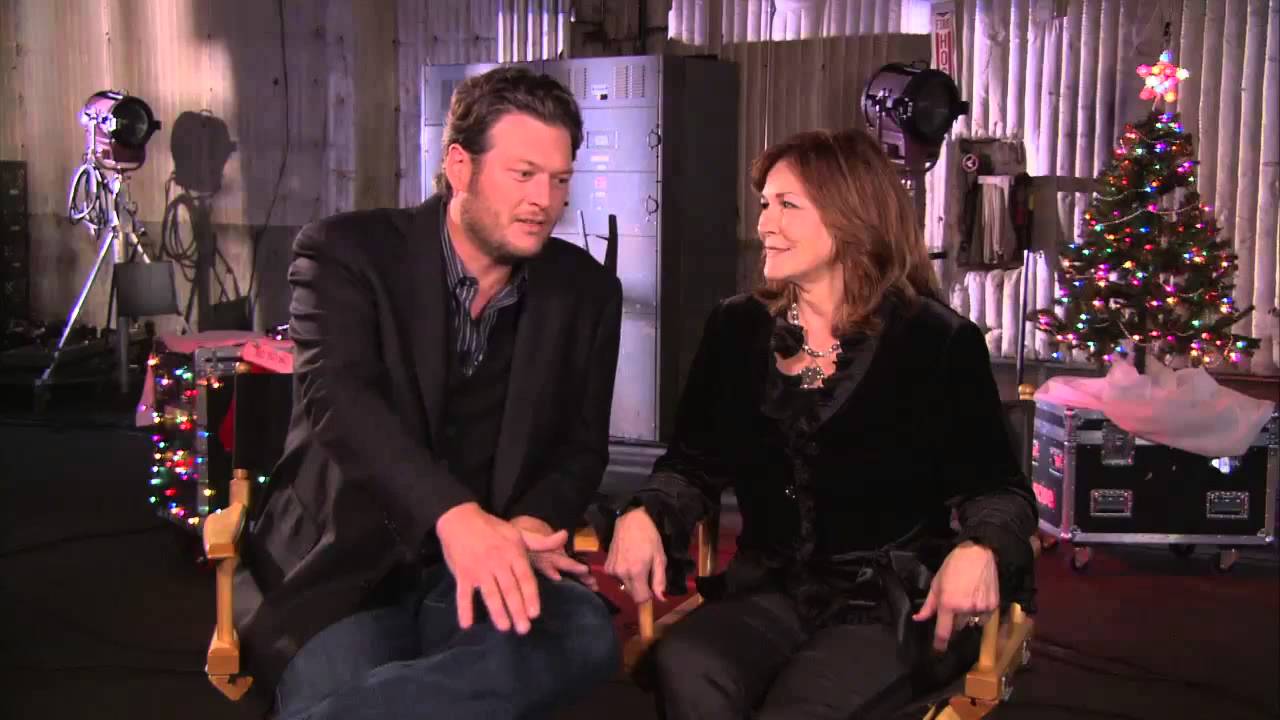
The standout live rendition came during Shelton’s 2012 television special, Blake Shelton’s Not-So-Family Christmas. Amid guest appearances from stars like Kelly Clarkson and Reba McEntire, the most touching segment featured Dorothy joining her son on stage. As they sang, the chemistry was palpable—not polished perfection, but authentic warmth. Shelton’s rich baritone blended with his mother’s harmonious backing, creating a sound that felt like sitting around a family hearth. The audience sensed the genuineness; it wasn’t about hitting every note flawlessly but conveying emotion that lingers.
This duet stood out in a special filled with humor and spectacle because it stripped away the glamour. Shelton, then at the height of his The Voice fame and country dominance, vulnerable shared the spotlight with the woman who knew him before the fame. Dorothy, nervous yet beaming, represented the grounded beginnings that keep him tethered. Their performance evoked the song’s essence: no matter how far life takes you—city lights, tours, spotlights—the pull of home and loved ones remains strongest during the holidays.
The impact extended beyond that night. “Time for Me to Come Home” became a holiday staple, its themes of reunion and gratitude striking a chord in a season that can highlight absences as much as togetherness. For Shelton, who lost his brother in a tragic accident young and later navigated personal losses, the song carries layers of unspoken grief. Performing it with his mother transformed it into a celebration of enduring connections—a reminder that love doesn’t fade, even when people do.
Dorothy’s involvement didn’t stop at the song. Her novel of the same name, co-authored with Travis Thrasher, drew from real anecdotes, turning personal stories into heartwarming fiction. The Hallmark adaptations further amplified the message, creating a franchise of feel-good films centered on finding one’s way home for Christmas. Shelton’s pride in collaborating with his mom shines through; he often calls it one of his favorite projects, a way to give her a “Lucille Ball moment” in the spotlight she deserved.
In later years, as Shelton’s life evolved—marriage to Gwen Stefani, stepping back from The Voice, focusing on ranch life and new music—the song’s resonance deepened. It serves as a bridge between his past and present, a melody carrying the voice of the woman who instilled in him the importance of family and authenticity. Fans revisit the duet annually, finding comfort in its simplicity during holidays that sparkle yet sometimes ache.
Blake Shelton’s performance with Dorothy Shackleford wasn’t about grand gestures or viral pyrotechnics. It was a simple, profound gift: a son honoring his mother through song, sharing their creation with the world. In that shared melody, listeners find a reminder of where true hope is born—not in perfection, but in love that wraps around you like a familiar tune, staying long after the notes fade.
This holiday classic, born from a mother-son bond, continues to touch hearts, proving that the best Christmas songs aren’t just heard—they’re felt, deeply and forever.