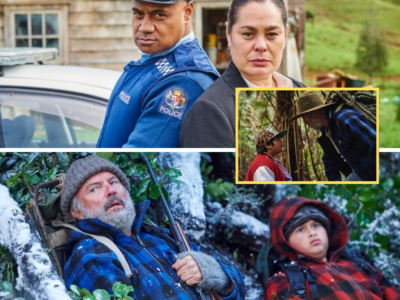
In the lush, untamed bush of New Zealand, where towering ferns whisper secrets and the sky stretches wide enough to swallow your troubles, a chubby city kid in a bright red tracksuit stands atop a ridge, arms flung out like he owns the wilderness. “This is majestical,” he declares with deadpan wonder. Ten years after its 2016 release, Taika Waititi’s Hunt for the Wilderpeople feels just as fresh, funny, and profoundly moving. The film — New Zealand’s highest-grossing local movie of all time — is celebrating its 10th anniversary with special 4K re-releases in cinemas across Aotearoa this Easter, while continuing to stream and charm new audiences on Netflix and beyond. Fans still quote its iconic lines, laugh at the chaos, and wipe away tears at its quiet emotional punches. It is more than a quirky adventure comedy. It is a feeling — a warm, rebellious reminder that even the most broken souls can find family, freedom, and a little bit of majesty in the wild.
Directed by Taika Waititi and adapted from Barry Crump’s novel Wild Pork and Watercress, the film follows the unlikely duo of Ricky Baker and Uncle Hector as they stumble into a national manhunt through one million hectares of unforgiving New Zealand bush. What begins as a reluctant foster placement spirals into a hilarious, heartfelt misadventure packed with deadpan humor, gentle satire, and genuine tenderness. Waititi’s signature blend of warmth and whimsy shines through every frame. He balances slapstick chases with deeper themes of grief, belonging, and the redemptive power of nature without ever tipping into sentimentality. The result is a movie that feels both distinctly Kiwi — full of dry wit, quirky characters, and breathtaking landscapes — and universally relatable. A decade on, its magic has not faded; it has only grown richer with time.
At the beating heart of the story is Julian Dennison as Ricky Baker. Dennison, who was just thirteen when filming began, delivers a star-making performance that remains one of the most endearing in modern cinema. Ricky is a troubled foster kid with a rap sheet of minor offenses, a love for hip-hop, and a defiant spirit wrapped in a soft, chubby exterior. Dennison plays him with perfect comic timing and surprising emotional depth. His wide-eyed declarations, awkward bravado, and heartbreaking vulnerability make Ricky instantly lovable. Lines like “I didn’t choose the skux life, the skux life chose me” and his repeated misuse of “majestical” have become cultural touchstones, quoted endlessly by fans. Dennison never plays Ricky for cheap laughs; instead, he reveals the pain of a boy who has been rejected too many times, making his slow thaw into trust feel genuinely moving. His chemistry with his co-star crackles with natural awkwardness that blossoms into something profound.
Opposite him, Sam Neill brings grizzled gravitas and unexpected warmth as Hector Faulkner (known simply as Hec). Neill, a New Zealand screen legend, transforms the gruff, taciturn bushman into a deeply layered character. Hec is a man of few words, more comfortable with his dog and his rifle than with people, carrying the weight of past losses and a quiet loneliness. Neill’s performance is a masterclass in understatement — his deadpan reactions to Ricky’s chaos provide constant comedy, while subtle shifts in his expression convey years of buried emotion. The evolution of their relationship, from mutual irritation to fierce loyalty, forms the emotional core of the film. Neill’s quiet strength anchors the wilder moments, and his scenes of vulnerability — particularly those touching on grief and fatherhood — hit with surprising force. Together, Dennison and Neill create one of cinema’s most memorable unlikely duos, their bond feeling authentic and hard-won.
The supporting cast adds vibrant color and texture. Rima Te Wiata is a burst of sunshine as Bella, Hec’s kind-hearted wife whose warmth initially draws Ricky into the family. Her sudden absence propels the story into motion and leaves an emotional void that the film explores with sensitivity. Rachel House steals scenes as the relentlessly upbeat yet increasingly unhinged child welfare officer Paula, whose pursuit of the pair provides both comic antagonism and escalating tension. House’s performance is hilariously over-the-top without losing a layer of genuine concern. Rhys Darby brings his signature eccentric energy in a memorable cameo as a conspiracy-minded bushman, while other Kiwi talents like Oscar Kightley and Tioreore Ngatai-Melbourne round out a cast that feels lived-in and authentic to the New Zealand spirit.

The main content unfolds as a classic chase adventure with a deeply personal twist. After tragedy strikes the Faulkner household, Ricky and Hec find themselves on the run when authorities threaten to separate them and place Ricky back into the system. What starts as a short hike to avoid immediate capture turns into weeks — then months — of survival in the bush. They dodge police helicopters, encounter eccentric locals, battle the elements, and slowly learn to trust and rely on each other. The film weaves high-stakes action (car chases, shootouts, daring escapes) with quiet campfire moments of storytelling and self-discovery. Waititi’s direction keeps the pace lively, using the stunning New Zealand landscapes — misty forests, rugged mountains, and golden sunsets — as both backdrop and character. The bush is beautiful yet dangerous, mirroring the characters’ internal journeys from isolation to connection.
What keeps audiences hooked a decade later are the film’s perfectly executed plot twists and tonal shifts. Early on, the story leans heavily into broad comedy — Ricky’s haiku attempts, his ridiculous survival “skills,” and the pair’s bickering feel like pure escapist fun. Then the twists arrive with emotional weight. A major revelation reframes Hec’s gruff exterior, revealing deeper layers of trauma and regret that make his bond with Ricky even more meaningful. Another twist escalates the manhunt from bureaucratic nuisance to genuine threat, forcing the audience to confront the real stakes: not just freedom, but the possibility of permanent loss. The finale delivers a thrilling yet tender showdown that blends action with heartfelt resolution. Rather than a simplistic happy ending, the film offers a nuanced, hopeful close that honors the characters’ growth while acknowledging life’s messiness. These twists never feel manipulative; they emerge naturally from the characters’ choices and the unforgiving environment, blending laughter and tears in a way that feels earned and profoundly human.
Visually, the film is a love letter to New Zealand. Waititi’s camera captures the bush with sweeping grandeur and intimate detail, contrasting the vast wilderness against the smallness of two runaways. The score, mixing original compositions with cheeky needle drops, enhances both the comedic energy and emotional undercurrents. The editing keeps the story tight and propulsive, never lingering too long in any one tone.
Ten years on, Hunt for the Wilderpeople resonates because it captures something rare: the joy of unlikely connection in a world that often feels isolating. Ricky and Hec teach each other — and the audience — that family is not always blood, that running away can sometimes mean running toward yourself, and that even in the darkest bush, there is room for majesty. Julian Dennison’s breakout charm and Sam Neill’s grounded soulfulness make the journey unforgettable, while the supporting players ensure the world feels rich and lived-in.
In an era of endless franchises and polished blockbusters, this scrappy, heartfelt Kiwi gem stands as a reminder that the best stories are often the simplest: two misfits against the world, finding home in each other and in the wild. Fans still return to it for comfort, for laughs, and for that unmistakable feeling of freedom. Whether on the big screen in glorious 4K or curled up at home, Hunt for the Wilderpeople continues to prove that some movies don’t just entertain — they become part of you.
As Ricky would say, it’s not just good. It’s majestical.
News
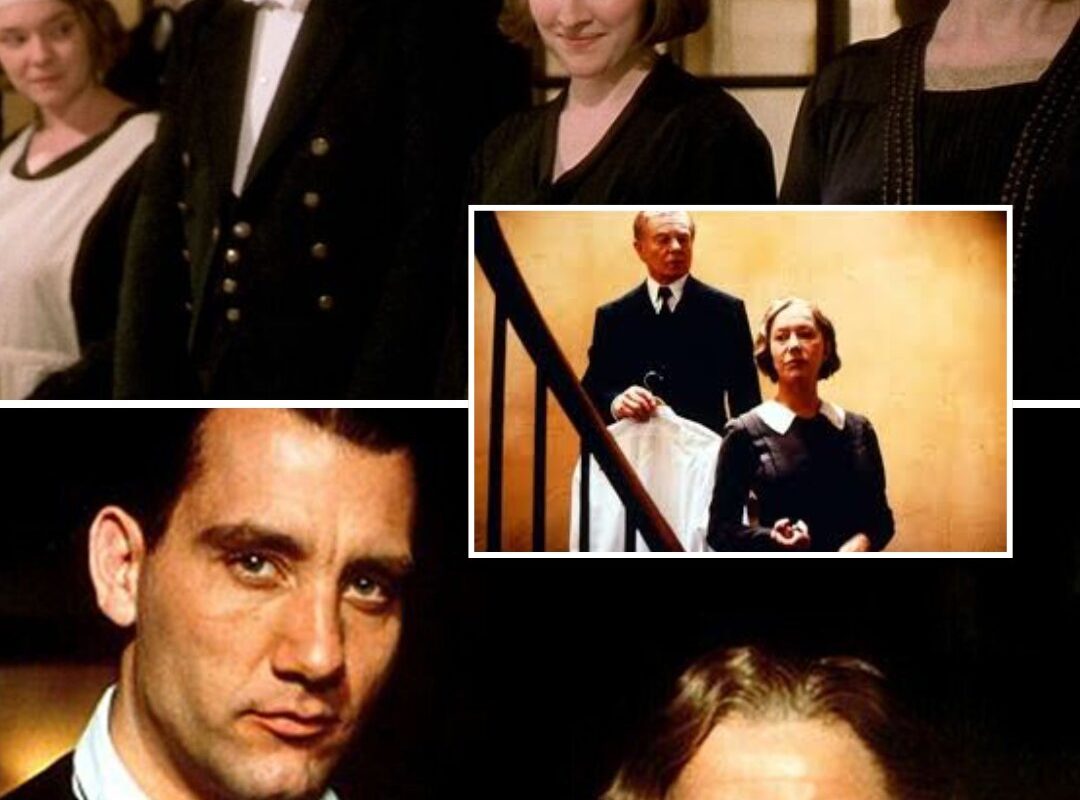
“WATCH IT AND TRY TO GUESS THE END!” — Gosford Park: The Oscar-Winning British Whodunit That Inspired Downton Abbey Returns Tonight as a Masterpiece of Mystery and Class Satire
In the misty November chill of 1932 England, where frost clings to the manicured grounds of a grand country estate and the crack of shotgun fire echoes across the woods,…
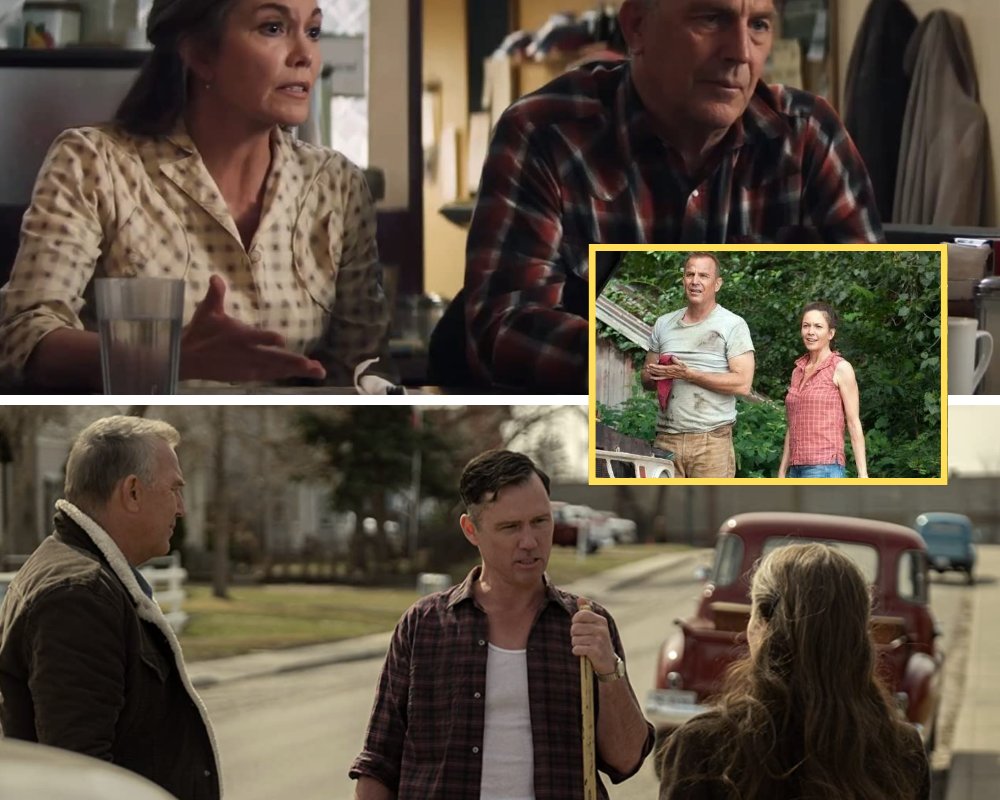
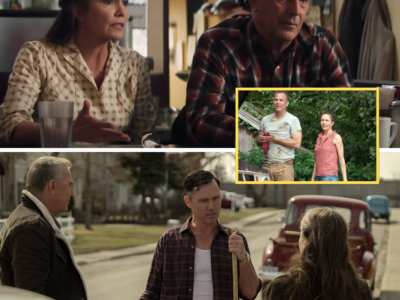
“IF YOU LOVE Yellowstone, THIS WILL HOOK YOU INSTANTLY!” — Kevin Costner’s Gritty Neo-Western Thriller “Let Him Go” Is a Raw, Ruthless Must-Watch on Netflix
In the vast, unforgiving plains where the wind howls like a warning and the sky stretches endless over rolling hills that hide both beauty and brutality, an aging couple climbs…

“THE ENDING LEFT EVERYONE SHOOK!” — Netflix’s “The Cleaning Lady” Delivers an Emotional Freefall and a Finale That Changes Everything
In the neon-drenched underbelly of Las Vegas, where the desert wind carries the scent of bleach and blood in equal measure, a woman in rubber gloves kneels on a marble…

Netflix’s “Detective Hole” Explodes With 36.5 Million Hours Watched in One Week — Tobias Santelmann’s Tormented Harry Hole and Jaw-Dropping Twists Turn Nordic Noir Into a Global Obsession
In the freezing rain-slicked streets of Oslo, where the fjord winds carry whispers of old sins and the midnight sun barely touches the shadows, a man with hollow eyes and…

“The Mentalist” Is Surging on Netflix 11 Years Later — Why Simon Baker’s Charismatic Mentalist and That Slow-Burn Hunt for Red John Still Hook Viewers Like No Other Crime Show
In the golden haze of a California afternoon, where palm trees sway like indifferent witnesses and the Sacramento skyline glimmers with false promises, a man in a rumpled suit leans…

A Dark, Twisted Psychological Thriller Where Jason Bateman’s Slow-Burn Despair Meets David Harbour’s Explosive Rage, With Linda Cardellini as the Dangerously Captivating Woman at the Center of a Marriage-Shattering Disaster.
In the hazy glow of a St. Louis evening, where the Mississippi River whispers secrets to the tired suburbs, two men—lifelong friends bound by the quiet routines of local television—stumble…
End of content
No more pages to load