In the hazy glow of a St. Louis evening, where the Mississippi River whispers secrets to the tired suburbs, two men—lifelong friends bound by the quiet routines of local television—stumble into a digital underworld that promises escape. One careless swipe on the hookup app DTF St. Louis ignites a chain reaction. What begins as a desperate bid for vitality in lifeless marriages spirals into a vortex of obsession, jealousy, manipulation, and betrayal. By the time the credits roll on HBO’s seven-episode limited series DTF St. Louis, no one walks away untouched. This is not a simple love triangle. It is a psychological disaster wrapped in dark comedy, where the mundane collides with the monstrous.
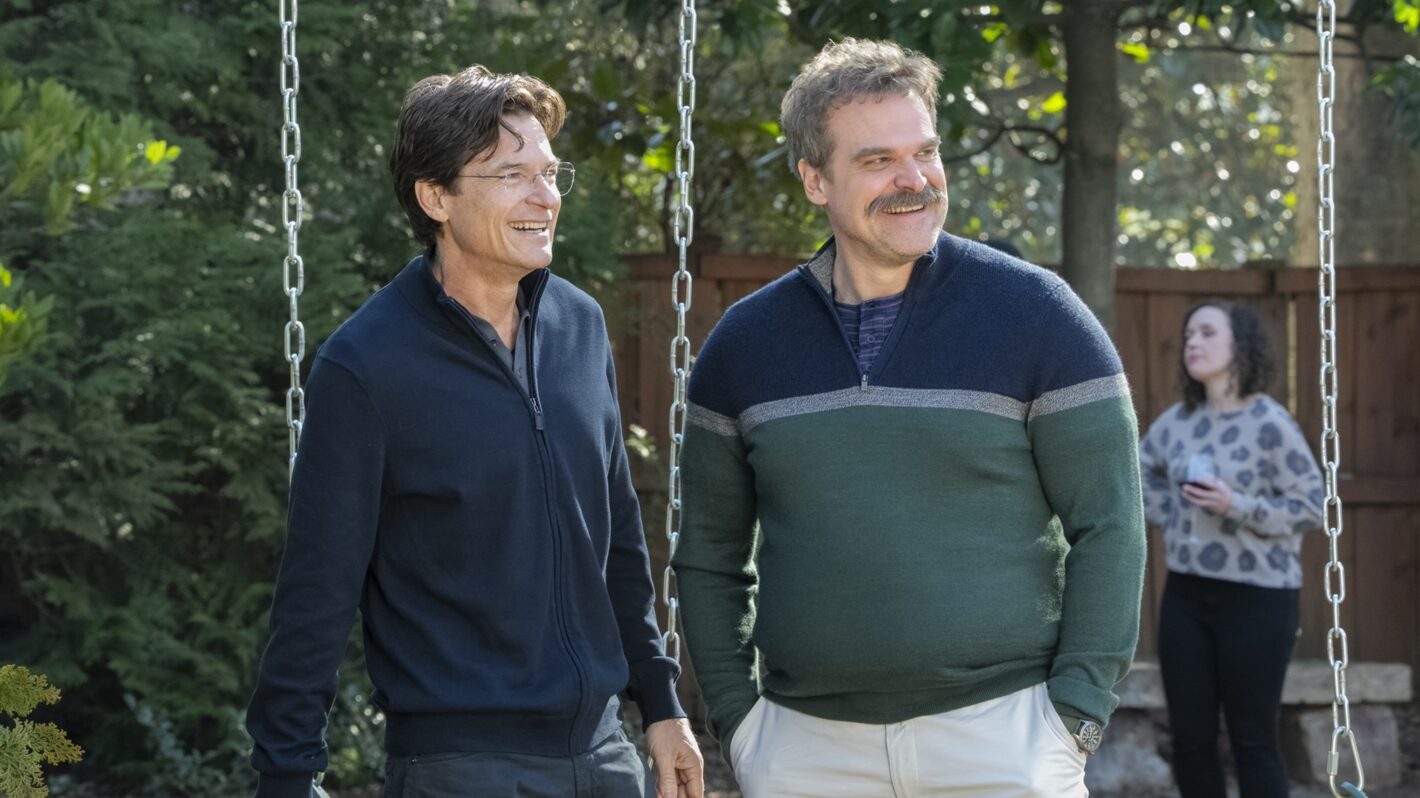
Created by Steven Conrad, the series premiered on March 1, 2026, and quickly carved out a niche as one of the most uncomfortably addictive whodunits of the year. At its core stands weatherman Clark Forrest, portrayed with chilling restraint by Jason Bateman. Clark is the everyman who has perfected the art of smiling through monotony. His forecasts are smooth, his marriage stale, his days a loop of green screens and small talk. Bateman, long a master of the slow-burn anti-hero (think the simmering menace beneath the politeness in Ozark), delivers a performance that feels like a pressure cooker with the lid barely screwed on. His eyes carry the weight of quiet desperation. Every hesitant glance, every awkward laugh, hints at the storm brewing beneath the surface. Clark doesn’t explode—he erodes. His descent is gradual, almost polite, until the politeness itself becomes terrifying.
Opposite him is David Harbour as Floyd Smernitch, the station’s American Sign Language interpreter and Clark’s unlikely new friend. Harbour, fresh off the intensity of Stranger Things, brings a volcanic energy that contrasts sharply with Bateman’s cool detachment. Floyd is a big man with an even bigger presence—boisterous, physical, and carrying the scars of past humiliations, including a cheeky nod to his old Playgirl modeling days that the series milks for both laughs and pathos. His marriage to Carol has grown cold, routine replacing passion. Harbour explodes across the screen in moments of raw chaos and uncontrollable rage, yet he grounds the character in surprising vulnerability. There are scenes where Floyd’s hands fly in passionate ASL interpretation during broadcasts, turning weather reports into something almost poetic, almost defiant. His performance is a masterclass in contrasts: the gentle giant who can shift into something feral when pushed too far.
At the dangerous center of it all is Linda Cardellini as Carol Love-Smernitch (née Love, a detail that becomes deliciously ironic). Cardellini has always excelled at playing women who hide steel beneath softness—think her grounded warmth in Dead to Me twisted into something sharper here. Carol is dangerously captivating, a woman who knows exactly what she wants and how to get it without raising her voice. She moves through the story like smoke, seductive and elusive, drawing both men into her orbit with a mix of genuine affection and calculated thrill-seeking. Her performance crackles with quiet intensity. Every lingering touch, every half-smile, carries layers of ambiguity. Is she the victim of suburban boredom, the architect of chaos, or something far more complicated? Cardellini refuses to make her a simple femme fatale. Instead, she gives Carol a weary humanity that makes her manipulations feel tragically relatable.
The plot, revealed in nonlinear fashion across the seven episodes, begins innocently enough. Clark and Floyd bond over the absurdity of their jobs and the shared numbness of middle age. Both men, stuck in marriages that have lost their spark, secretly download the local hookup app DTF St. Louis—a cheeky, no-frills platform for discreet encounters in the Gateway City. One careless swipe changes everything. Clark begins a passionate affair with a mysterious woman who reignites his senses. The sex is raw, the connection electric. For the first time in years, he feels alive.
Then comes the gut punch: the woman is Carol, Floyd’s wife.
What follows is a slow-motion car crash of emotions. The series cleverly withholds full context early on, jumping between timelines to build dread. We see the budding friendship between the two men, their late-night beers and awkward male bonding. We witness the stolen afternoons of Clark and Carol’s affair, shot with an intimate, almost voyeuristic heat. And we watch as Floyd starts to sense something is off—small clues, missed calls, a lingering scent of unfamiliar cologne. Jealousy festers. Obsession takes root. Manipulation becomes a survival tactic.
Conrad’s writing excels at blending the absurd with the profound. There are moments of genuine comedy—Floyd’s over-the-top ASL interpretations turning into impromptu dance routines during a particularly awkward broadcast, or the men bonding over Beastie Boys-inspired rap battles in one delirious episode. Yet these light touches only heighten the darkness that follows. The affair escalates from thrill to necessity. Lies multiply. Trust evaporates. The nonlinear structure forces the audience to piece together motives like detectives, mirroring the investigation that unfolds after Floyd is found dead under mysterious circumstances.
The whodunit element is never the sole focus, but it pulses through every frame. A seasoned county detective (Richard Jenkins, bringing his trademark gravitas) and his ambitious young partner dig into the case, uncovering layers of financial strain, sexual secrets, and long-buried resentments. Supporting turns from Peter Sarsgaard as an unlikely hookup and other ensemble players add texture, turning St. Louis itself into a character—its humid summers and decaying industrial edges reflecting the characters’ inner decay.
Now, the plot twists. DTF St. Louis delights in subverting expectations at every turn. Early episodes suggest a straightforward tale of betrayal and revenge. Then the revelations hit like cold water. One major twist reframes the initial hookup not as random chance but as something more orchestrated, forcing viewers to question who was really in control from the start. Another peels back Floyd’s seemingly straightforward persona, revealing depths of insecurity and past trauma that make his rage both horrifying and heartbreaking. Carol’s arc contains perhaps the most chilling pivot—moments where her vulnerability cracks open to expose a calculated survival instinct that blurs the line between victim and predator.
The final episodes deliver a shocking, cold-blooded ending that lands with the force of a sledgehammer. No heroic redemption, no tidy moral. Instead, the series closes on a note of bleak ambiguity mixed with dark humor, leaving the audience to grapple with the messiness of human desire. The “cold-blooded” resolution feels earned because the preceding episodes have so meticulously built the emotional minefield. Betrayal doesn’t arrive with grand speeches; it sneaks in during quiet conversations and stolen glances. The violence, when it comes, is sudden and intimate, all the more disturbing for how ordinary the setting remains.
What elevates DTF St. Louis beyond a mere thriller is its empathetic core. Conrad and the cast refuse to paint any character as purely monstrous. Clark’s quiet unraveling speaks to the terror of realizing your life has become a performance. Floyd’s explosive chaos channels the pain of feeling invisible in your own home. Carol’s dangerous allure masks a deep exhaustion with playing the supportive wife while her own needs go unmet. The series understands that middle-age malaise isn’t dramatic—it’s grinding, soul-crushing, and universal. The hookup app becomes both symptom and catalyst, a digital mirror reflecting how technology amplifies our loneliest impulses.
Bateman’s slow-burn mastery shines brightest in scenes where Clark tries to maintain his polished on-air persona while his private life collapses. There is a haunting sequence where he delivers a cheerful weather report moments after a brutal argument, his smile never wavering even as his eyes betray him. Harbour, meanwhile, gets to unleash in Episode 4 with a rap sequence that starts comedic and ends in something raw and cathartic. Cardellini holds the emotional center, her scenes with both men crackling with chemistry that feels dangerously real—tender one moment, predatory the next.
Visually, the series leans into a muted Midwestern palette—soft blues and grays punctuated by the neon glow of motel signs and phone screens. The sex scenes are frank without being exploitative, focusing on the awkward humanity of desire rather than glossy fantasy. The ASL elements add a fascinating layer, turning silence into expression and forcing the audience to pay closer attention to what remains unspoken.
By the time the shocking ending crashes down, DTF St. Louis has transformed from a dark comedy about cheating into a meditation on the stories we tell ourselves to keep going. Two friends seeking to feel alive again discover that “alive” can mean many things—some exhilarating, some unforgivable. The series doesn’t offer easy answers or comforting resolutions. Instead, it leaves you unsettled, slightly guilty for laughing at the absurdity, and deeply aware of how thin the line can be between a harmless swipe and irreversible damage.
In an era of glossy prestige television, DTF St. Louis stands out for its willingness to be messy, funny, and cruel in equal measure. Jason Bateman chills with precision. David Harbour explodes with chaotic heart. Linda Cardellini captivates with quiet fire. Together, they turn a simple premise into a psychological disaster that lingers long after the final twist. This isn’t just television about infidelity and murder. It’s a mirror held up to the quiet desperation hiding behind polite smiles in every American suburb. And like the best disasters, once you start watching, you can’t look away.
News
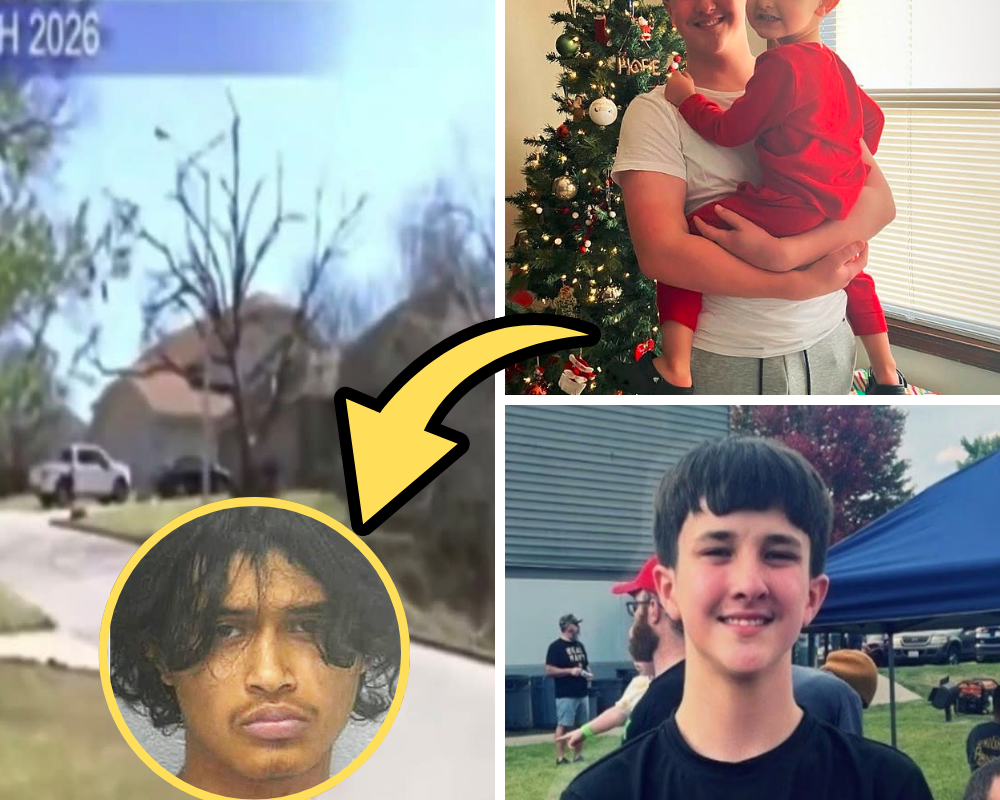
“He Was Warned She Didn’t Really Like Him… But He Still Went” — Best Friend’s Chilling Warning Ignored as 15-Year-Old Miles Young Walked Straight Into a Deadly Trap
On the evening of March 12, 2026, in southwest Springfield, Greene County, Missouri, 15-year-old Miles Young climbed into a black Mercedes, excited about what he believed was a long-awaited meet-up…
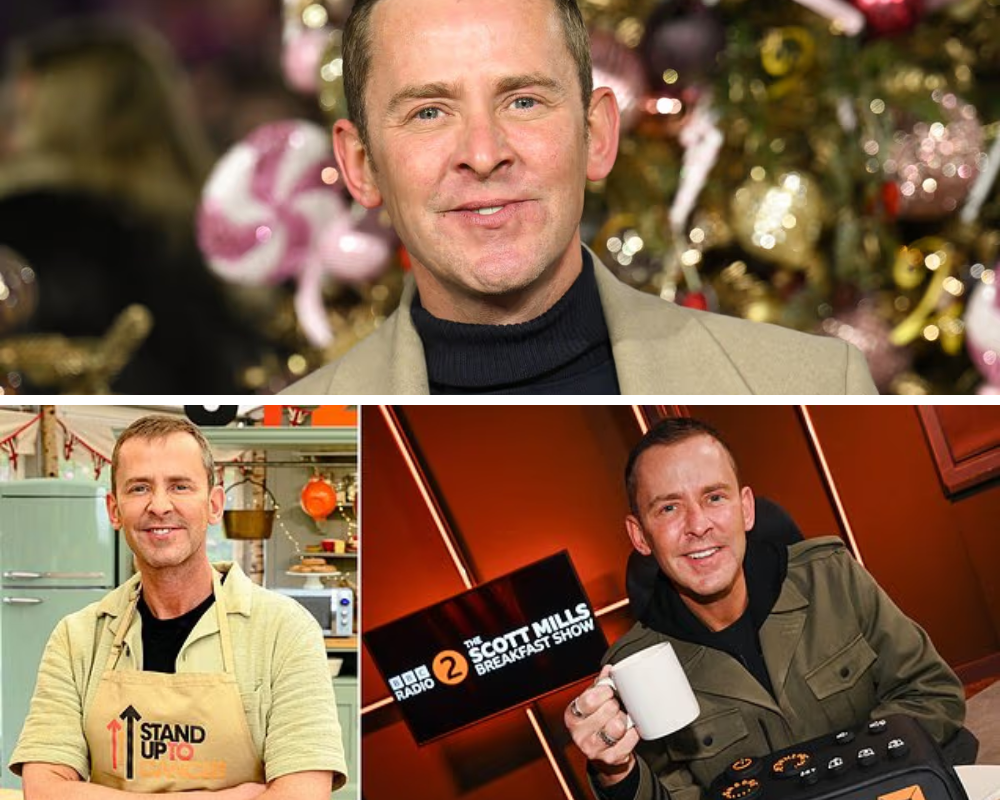
A Celebrity in the Tent… Then Silence: Why Channel 4 Has Pulled the Scott Mills Bake Off Episode
In the warm, flour-dusted world of The Great British Bake Off, where celebrities swap microphones and spotlights for aprons and rolling pins to raise money for charity, one episode was…

“I Never Thought My Mistake Would Take Such a Beautiful, Talented Girl” — Taxi Driver Breaks Down in Tears Over Lucinta Evans’ Death
In the early hours of 28 March 2026, in the bustling suburb of Martintar near Nadi International Airport in Fiji, a young woman’s life ended in a split-second of chaos…
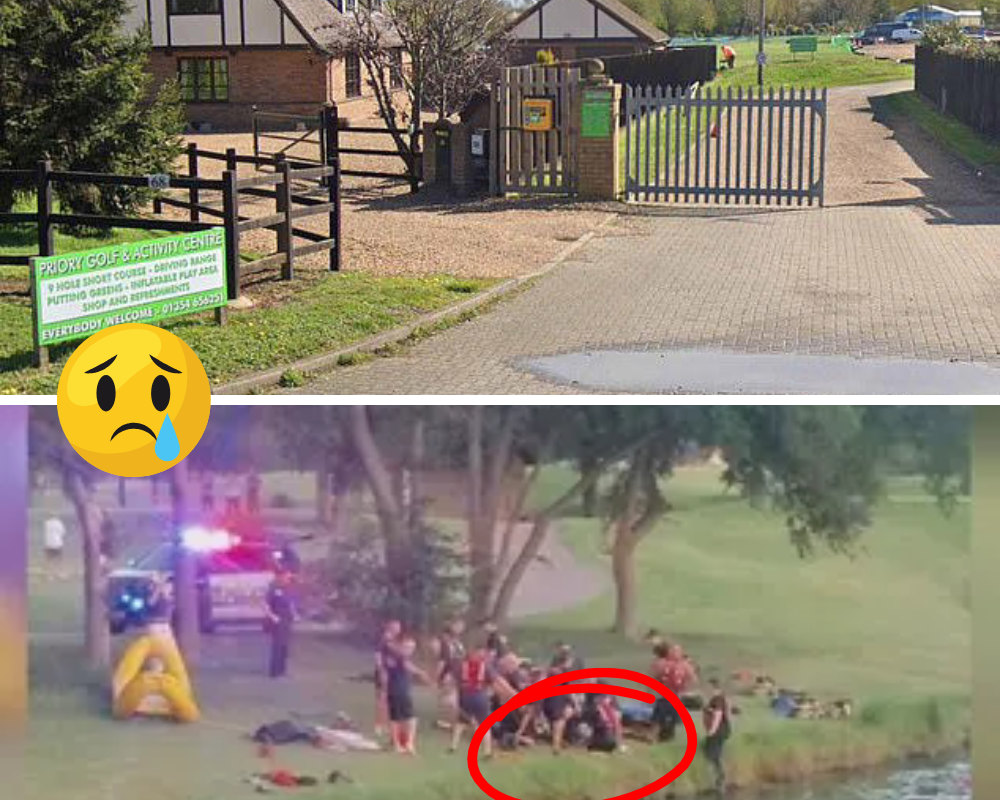
Another Boy, 7, Drowns in Golf Club Pond at Wimblington — The Heartbreaking Question Every Parent Is Asking
It was supposed to be a joyful Easter Monday family fun day. The sun was out, laughter echoed across the fairways, and children ran freely at the Priory Golf &…

A Strange Detail Inside the Car: The Chilling Question That Could Explain Megan Swann’s Tragic Death
On a quiet country lane in Hertfordshire, under the cover of darkness, a blue Ford Fiesta carrying four teenagers veered sharply off the road. It slammed into a tree with…

“A quiet road… a sudden crash… and questions no one can answer” — 17-year-old Megan Swann’s final moments spark chilling mystery
On a peaceful country lane in Hertfordshire, under the cover of a cool March evening, four teenagers were laughing together in a blue Ford Fiesta. It was just after 9…
End of content
No more pages to load