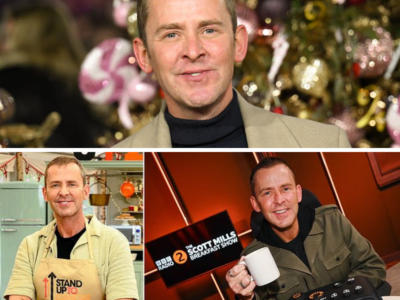
In the warm, flour-dusted world of The Great British Bake Off, where celebrities swap microphones and spotlights for aprons and rolling pins to raise money for charity, one episode was meant to be the light-hearted finale of the 2026 Celebrity Great British Bake Off for Stand Up to Cancer series. Viewers were promised laughs, soggy bottoms, and the usual mix of kitchen disasters and triumphs featuring popular radio DJ Scott Mills alongside other stars including Rag’n’Bone Man, Edith Bowman, Aston Merrygold from JLS, and comedian Jon Richardson.
Instead, on 8 April 2026, Channel 4 delivered a stark announcement: the episode featuring Scott Mills will not be aired.
The decision has sent ripples through the British television industry and sparked intense debate online. What began as a feel-good charity special has suddenly become the centre of a much darker conversation about accountability, timing, and the line between pre-recorded entertainment and real-world allegations.
Scott Mills, 53, had been a familiar and popular voice on BBC Radio 2, hosting the breakfast show and building a loyal audience over many years. In February 2026, he was announced as one of the celebrities taking part in the Bake Off tent. The episode was filmed earlier, as is standard for the series, and was scheduled to air on Sunday 18 April 2026 as the grand finale of this year’s celebrity run.
Then, last week, everything changed. The BBC sacked Mills following the emergence of serious allegations about his personal conduct. Reports revealed that in 2016–2017, the Metropolitan Police had investigated historic sexual offence allegations involving a teenage boy who was under 16 at the time of the alleged incidents (between 1997 and 2000). Although no charges were brought at the time, the resurfacing of the claims led to Mills’ abrupt departure from the BBC.
Channel 4 acted swiftly. In a carefully worded statement released on 8 April, a spokesperson said: “Having carefully considered the circumstances, we’ve taken the decision not to air the final episode of the 2026 series of The Great Celebrity Bake Off for Stand Up to Cancer, featuring Scott Mills. Acknowledging the seriousness of the accusations that have been made against Scott, we don’t believe it would be appropriate to air the episode at this time.”
An alternative episode of Celebrity GBBO will be broadcast in its place.

The move raises a host of uncomfortable questions that have dominated social media and entertainment commentary in the past 24 hours. Should a pre-recorded charity episode be pulled because of allegations that have not yet resulted in criminal charges? How far should broadcasters go in protecting their brand and the charity’s message when one participant faces serious accusations? And what does this say about the increasingly blurred line between someone’s on-air persona and their private life?
For many fans of Bake Off, the decision feels like a necessary act of responsibility. The show has always positioned itself as wholesome family entertainment, and Stand Up to Cancer is a high-profile charity raising vital funds for cancer research. Airing an episode featuring someone now associated with such grave allegations could risk undermining the entire series and alienating viewers and donors.
Others argue it sets a dangerous precedent. “Innocent until proven guilty” is a cornerstone of British justice, yet in the court of public opinion — and broadcaster decision-making — the bar appears much lower. Mills has not been convicted of any offence. The police investigation from years ago did not lead to charges. Yet one phone call, one set of resurfaced claims, and both his BBC career and his Bake Off appearance have vanished.
The timing adds another layer of intrigue. The episode was already in the can — Mills had donned the apron, mixed the batter, and faced the judges Paul Hollywood and Prue Leith (or their celebrity equivalents). Viewers will now never see how he performed under pressure in the tent, whether he produced a showstopper or a soggy-bottomed disaster, or how he interacted with his fellow celebrities.
Channel 4’s swift action contrasts with the BBC’s own handling. The corporation faced criticism for how long it took to act on the allegations, but once the story broke publicly, Mills was removed from air immediately. Now other platforms are following suit, creating a domino effect that leaves the former presenter increasingly isolated.
Social media has erupted with divided opinions. On X (formerly Twitter), some users praised Channel 4 for “doing the right thing,” with comments such as “You can’t platform someone facing those kinds of accusations on a family show.” Others expressed discomfort: “This feels like trial by media. Where’s the evidence? Where’s due process?” Reddit threads in TV and British culture forums debate whether charity specials should be held to a different standard.
The Bake Off tent has seen its share of controversies before, but rarely has a single participant’s off-screen life led to an entire episode being shelved. Previous celebrity editions have featured contestants with colourful pasts, yet the show has largely stuck to the mantra that the focus should remain on the baking and the fundraising.
This time feels different. The seriousness of the accusations — involving a minor — has made broadcasters especially cautious. Stand Up to Cancer relies heavily on public goodwill and corporate sponsorship. Any hint of controversy could jeopardise future donations and participation from big-name celebrities.
For Scott Mills, the double blow — losing his long-running BBC role and now seeing his television appearance erased — marks a dramatic fall from grace. Once one of the most affable voices on British radio, known for his humour and connection with listeners, he now finds himself at the centre of a national conversation about redemption, cancellation, and second chances.
Channel 4 has not commented further on whether the episode could ever be aired in the future, perhaps after any legal matters are fully resolved. For now, the decision stands: the final episode of the 2026 celebrity series will go ahead without Mills, and viewers will tune in to an alternative show instead.
The incident shines a harsh spotlight on the precarious nature of celebrity in the streaming and social media age. Careers built over decades can unravel in days when old allegations resurface. Broadcasters, ever mindful of brand reputation and audience sentiment, are increasingly willing to make pre-emptive decisions rather than risk backlash.
Yet it also prompts deeper reflection on fairness. If no charges were filed years ago, and if new evidence has not been publicly presented, is pulling a harmless baking episode an overreaction — or a responsible choice in a post-#MeToo world?
As the dust settles, one thing is clear: the Great British Bake Off tent, usually a place of warmth, soggy bottoms, and Hollywood handshakes, has this year become the unlikely stage for a much more serious drama. A drama not about cakes or technical challenges, but about accountability, timing, and the question of whether some mistakes — or allegations — can ever be baked away.
Channel 4’s decision may protect the integrity of the show and the charity it supports. But it also leaves viewers and industry insiders wondering: in the rush to do the “right thing,” are we sometimes erasing nuance along with the contestant?
The 2026 Celebrity Great British Bake Off for Stand Up to Cancer will conclude without Scott Mills. The cakes will still rise (or fall), the judges will still critique, and money will still be raised for a vital cause. But the empty space where one contestant’s episode should have been serves as a quiet, flour-dusted reminder of how quickly the heat in the kitchen — and in public life — can become too much to bear.
News
“I Never Thought My Mistake Would Take Such a Beautiful, Talented Girl” — Taxi Driver Breaks Down in Tears Over Lucinta Evans’ Death
In the early hours of 28 March 2026, in the bustling suburb of Martintar near Nadi International Airport in Fiji, a young woman’s life ended in a split-second of chaos…
Another Boy, 7, Drowns in Golf Club Pond at Wimblington — The Heartbreaking Question Every Parent Is Asking
It was supposed to be a joyful Easter Monday family fun day. The sun was out, laughter echoed across the fairways, and children ran freely at the Priory Golf &…
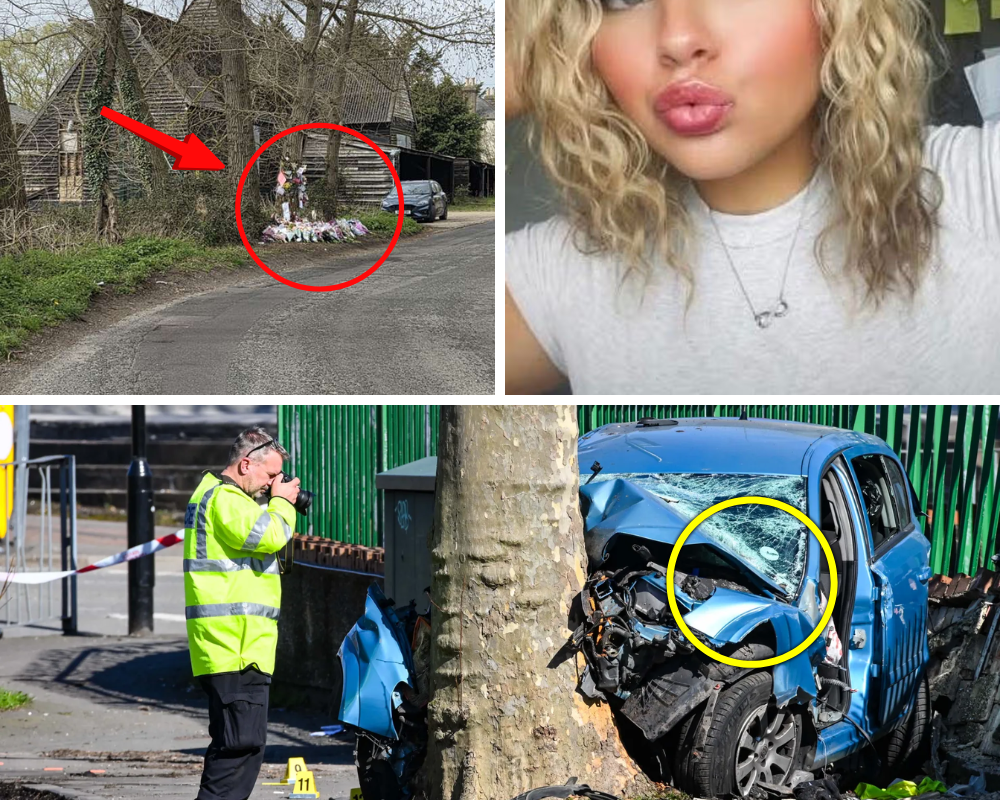
A Strange Detail Inside the Car: The Chilling Question That Could Explain Megan Swann’s Tragic Death
On a quiet country lane in Hertfordshire, under the cover of darkness, a blue Ford Fiesta carrying four teenagers veered sharply off the road. It slammed into a tree with…
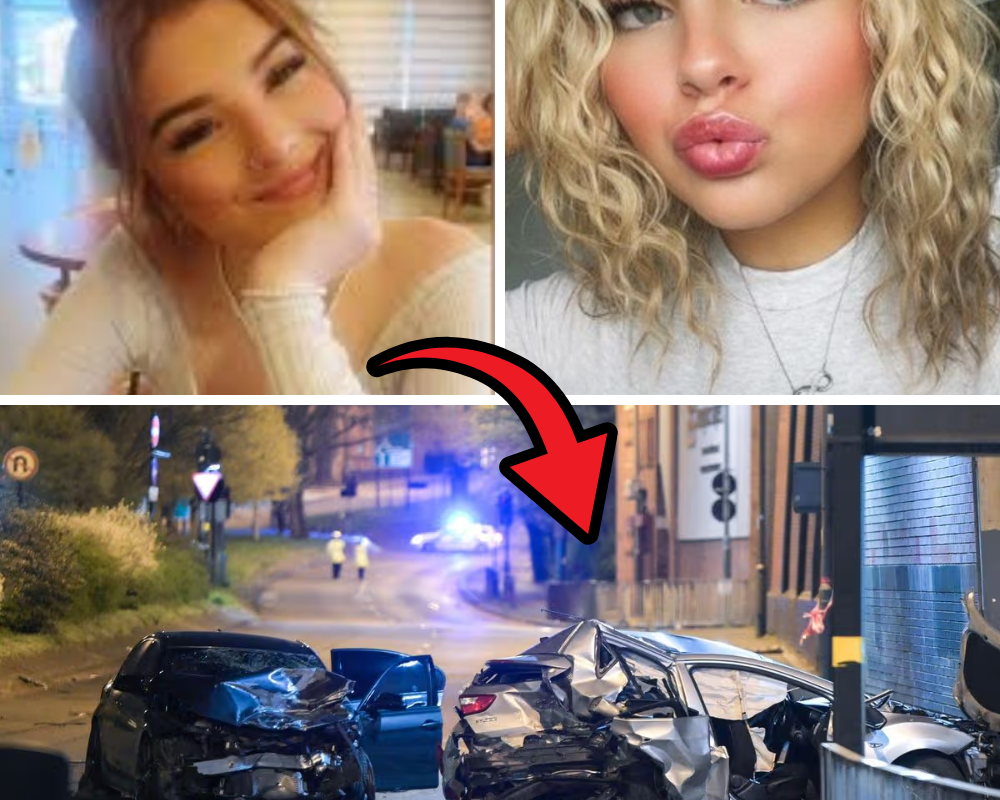
“A quiet road… a sudden crash… and questions no one can answer” — 17-year-old Megan Swann’s final moments spark chilling mystery
On a peaceful country lane in Hertfordshire, under the cover of a cool March evening, four teenagers were laughing together in a blue Ford Fiesta. It was just after 9…
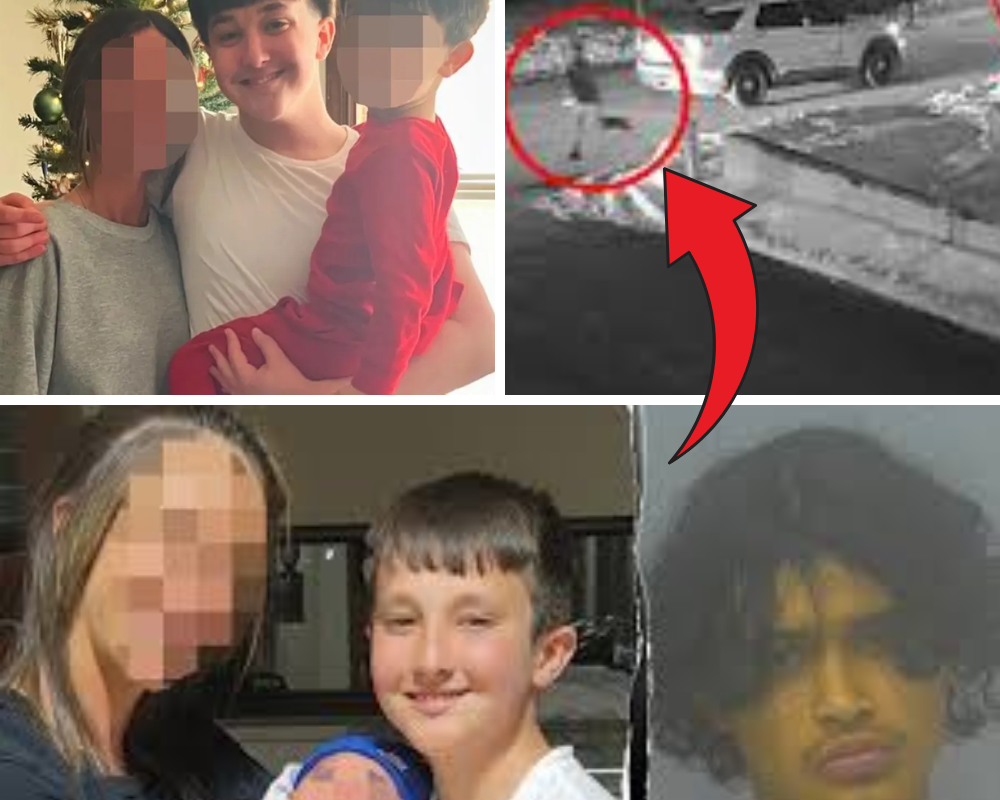
“I Just Don’t Want to Die”: The Final, Heartbreaking Plea of 15-Year-Old Miles Young – A Teen Who Thought He Was Meeting a Girl, But Walked Straight Into a Deadly Ambush
On March 12, 2026, in southwest Springfield, Greene County, Missouri, near West Maplewood Street, Miles Young was gunned down in what prosecutors describe as a cold-blooded, premeditated ambush. What began…
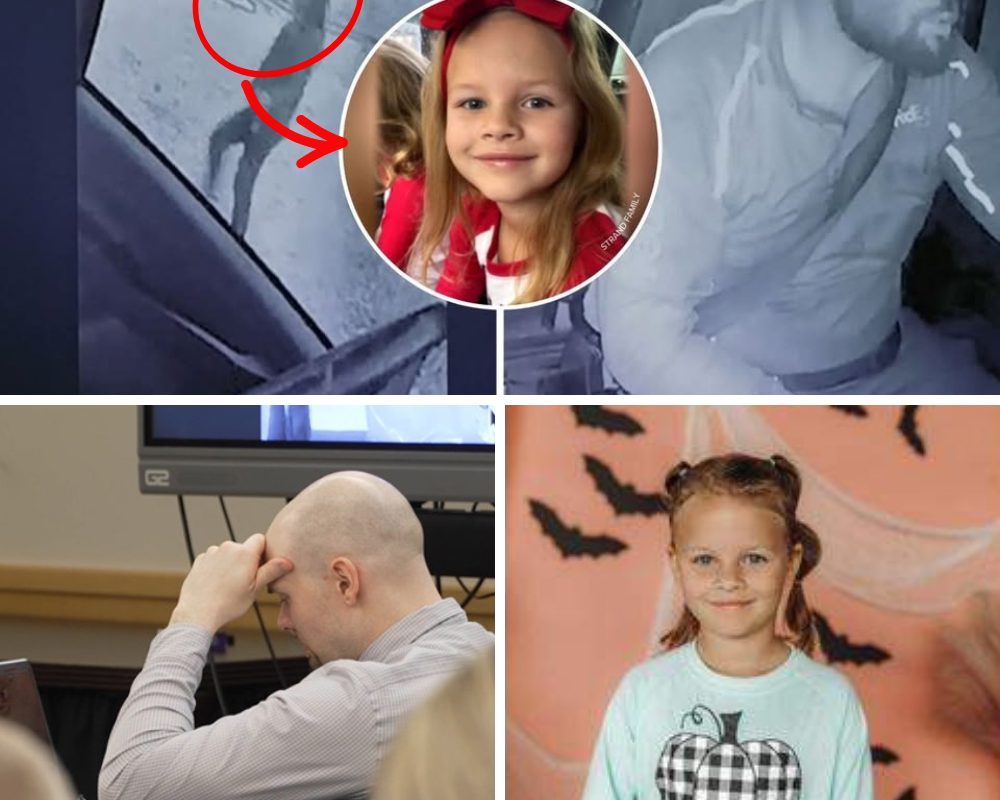
“It Was All Truly Random”: Tanner Horner Claims He Had No Initial Plan to Abduct Athena Strand — But One Small Action by the 7-Year-Old Changed Everything
What if the most horrifying crime imaginable began not with cold calculation, but with a single, ordinary moment that spiraled out of control in seconds? A FedEx delivery truck pulls…
End of content
No more pages to load