In the misty highlands of Scotland, where ancient clans clash and legends whisper through the heather, Disney’s empire of remakes continues its inexorable march, and the latest target bears the fiery curls and unyielding spirit of Pixar’s Brave. As of late November 2025, whispers from Burbank’s boardrooms suggest that the Mouse House is zeroing in on Sadie Sink—the breakout sensation from Netflix’s Stranger Things—to embody the indomitable Princess Merida in a live-action adaptation of the 2012 Oscar-winning animated gem. This isn’t mere fan service; it’s a calculated strike in Disney’s golden goose strategy, transforming a tale of archery and autonomy into a spectacle primed for IMAX bows and global box-office hauls. At 23, Sink—whose portrayal of the skateboarding survivor Max Mayfield has captivated millions—brings a raw, redheaded ferocity that’s ignited social media frenzies, with #SadieAsMerida trending across X and TikTok like wildfire through dry gorse. Fans are already etching her into the pantheon: “She’s got the fire, the freckles, and the fuck-you attitude Merida deserves,” one viral post declares, racking up thousands of likes. If the deal seals, Brave could join the ranks of The Little Mermaid and Snow White, grossing nine figures while reigniting debates on feminism, folklore, and the ethics of remaking what ain’t broke. But in an era where Disney’s live-action pipeline churns like a Highland distillery, Sink’s potential coronation as Merida feels less like destiny and more like dynamite—poised to explode the genre’s formula or fizzle into familiarity.
The rumor mill began churning in earnest during Stranger Things Season 5’s promotional blitz, when Sink’s poignant return as Max—emerging from a coma-induced exile with her signature bowl cut traded for windswept waves—sparked a cascade of casting daydreams. A mid-November X thread from a Disney insider account (later deleted but screenshotted into oblivion) teased: “Red hair, redder rage—Sadie’s audition tape for Merida has the execs in tears and targets.” By Thanksgiving, fan-art floods on Instagram depicted Sink nocking arrows in emerald kilts, her ice-blue eyes piercing through CGI mists, while Reddit’s r/Fancast subreddit erupted with 5,000-upvote polls affirming her as the “unanimous queen.” Disney, ever the puppeteer of public pulse, hasn’t confirmed—but silence in this town is often strategy. Sources close to the project (speaking off the record, naturally) reveal that casting directors, led by the formidable Sarah Halley Finn (Avengers: Endgame), have been courting Sink since summer, impressed by her dramatic chops in Taylor Swift’s All Too Well short film and her unvarnished intensity in A24’s The Whale. “Sadie doesn’t just play rebels; she ignites them,” one scout gushed. At a potential $10-15 million salary—ballpark for her rising A-list cachet—this would mark Sink’s first outright lead in a tentpole, vaulting her from Hawkins’ hellscape to DunBroch’s draughty halls.
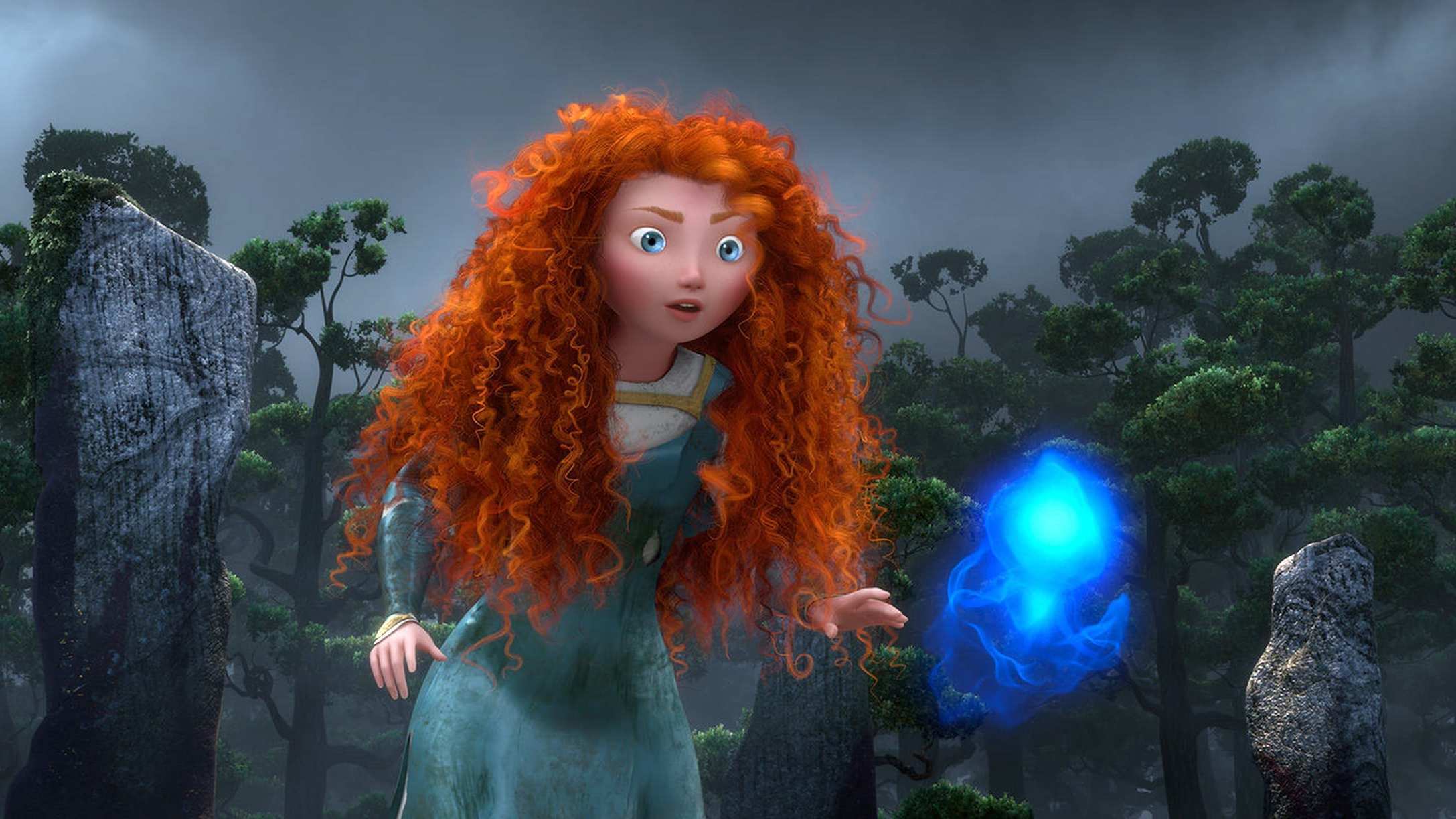
To grasp why Sink feels like fate’s fletching, rewind to Brave‘s bowshot origins. Co-directed by Mark Andrews and Brenda Chapman—the latter the first woman to helm a feature at Pixar—the 2012 film shattered molds by ditching the prince-charming trope for a mother-daughter melee laced with Celtic myth. Voiced by Kelly Macdonald with a burr as thick as porridge, Merida is no simpering damsel: a 16-year-old archer-princess who shreds tradition by rejecting an arranged marriage, unleashing a witch’s curse that turns her queenly mum Elinor into a spectral bear. Grossing $539 million worldwide on a $185 million budget, Brave snagged Pixar’s second Academy Award for Best Animated Feature, lauded for its lush animation—those rippling lochs and thundering hooves rendered in unprecedented detail—and its subversive spine. Merida’s Oscar statue, the first for a Pixar princess, symbolized a seismic shift: Disney’s pantheon, long a gallery of glass-slipper fragility, welcomed a wildling who wielded her bow like Excalibur. Yet, as Chapman noted in a 2023 retrospective, the film’s compression—cramming folklore feasts and familial feuds into 93 minutes—left audiences hungry for more: the clan’s shadowy lore, the will-o’-the-wisps’ eldritch glow, the bear-form’s visceral terror. A live-action redo, budgeted north of $200 million, could stretch those sinews, blending practical Highland shoots (think New Zealand’s Fiordland proxies) with Weta Workshop’s wizardry for shape-shifting sequences that make The Lion King‘s stampede look like a petting zoo.
Sink’s ascent to this tartan throne isn’t serendipity; it’s synergy. Born in Brenham, Texas, to a family of athletes (her surgeon dad once dreamed of Olympics in track), Sadie was a competitive gymnast before tumbling into theater at seven, snagging the lead in a regional Annie that catapulted her to Broadway’s The Music Man by 13. Her screen breakthrough? A blink-and-miss in Blue Bloods, but Stranger Things Season 2’s Max—a foul-mouthed firebrand with a chip on her shoulder and trauma in her veins—cemented her as Gen Z’s scream queen. At 23, she’s juggled horrors (Fear Street‘s ’78 slasher fest, where she channeled ’70s grit with queer undercurrents) and heartaches (The Whale‘s anorexic daughter, earning Indie Spirit whispers), proving a chameleon who thrives in the uncanny. Merida demands that alchemy: a teen teetering between petulance and profundity, her bravado masking mommy issues as primal as a banshee’s wail. Sink’s Max parallels perfectly—both are outsiders armed with attitude, navigating worlds that undervalue their spark. “I’d kill to play a girl who shoots first and asks questions later,” Sink quipped in a 2024 Variety Actors on Actors chat, her freckled grin belying a depth that could infuse Merida’s mischief with modern menace. And the red hair? A wig wizardry away, but her natural auburn roots (dyed for Stranger Things) evoke Merida’s untamed tresses like a Highland prophecy fulfilled.
The buzz has birthed a digital dirge of devotion. On X, posts like “Sadie Sink as Merida? Disney, take my wallet and my will to live without this” have amassed 10,000 retweets, while TikTok edits mash Stranger Things‘ “Running Up That Hill” with Brave‘s fiddle-fueled score, racking 50 million views. Fan casts proliferate: Sink’s Merida sparring with a grizzled Billy Connolly reprise as King Fergus, or Florence Pugh as a bear-rampaging Elinor, her Midsommar ferocity fitting the maternal mauling. Purists pine for Scottish authenticity—why not Aimee Lou Wood (Sex Education) or Isobel Jesper Jones?—citing Macdonald’s brogue as sacrosanct. But Sink’s Texas twang, honed to perfection in The Whale‘s emotional eviscerations, could charm with a coached lilt, much like Emily Blunt’s Mary Poppins Returns accent acrobatics. Critics of Disney’s remake racket—Pinocchio‘s pallid pallor, Peter Pan & Wendy‘s woke-washing—fear Brave will bow to blandness, swapping Celtic shadows for sanitized sparkle. Yet proponents argue Sink’s edge could counter that: her Max’s vulnerability amid valor mirrors Merida’s arc from arrow-slinging anarchist to empathy’s ambassador, mending the mother-bear bond with a nuance the animation glossed over.
Production, if greenlit, would bow in 2028—Disney’s post-Mufasa slate slot, post-Moana 2‘s tidal wave. Director? Whispers favor Guy Ritchie, whose The Gentlemen‘s swagger could infuse clan brawls with blokeish banter, or Dee Rees (Mudbound), for a feminist lens that deepens the gender gauntlet. Locations? Scotland’s Isle of Skye for those craggy cliffs, with Pinewood’s tanks for loch leviathans. Budget beasts lurk: practical bears via The Revenant-esque prosthetics, archery rigs for Sink’s stunt doubles (she’s no stranger to wires, post-Fear Street flips). And the score? Patrick Doyle’s rousing reels, perhaps remixed by Florence + the Machine for a folk-electro fury that scores Merida’s midnight gallops. Merch? Merida bows in every Disney Store by dawn, Sink-endorsed tartan tees outselling Elsa’s ice.
Thematically, Brave endures as a beacon: Merida’s “I am not a prize to be won” mantra a middle finger to matrimonial mandates, her bear-mom odyssey a parable of communication’s curse. In 2025’s culture wars—where #MeToo echoes and body autonomy battles rage—Sink’s Merida could amplify that roar, her Gen Z gravitas tackling toxic traditions with TikTok timeliness. Imagine expanded lore: the witch’s woodland coven as queer-coded kin, the suitors’ satire sharpened on incel skewers. Risks abound—botch the brogue, and backlash brews like peat smoke—but Sink’s sincerity could salve it, her post-Stranger Things poise (she’s eyeing indie fare like A24’s The Backrooms) signaling a star unafraid of archetypes.
As December’s frost bites, Disney’s deliberation drags, but the internet’s verdict is verdant: Sadie Sink is Merida, curls aflame and quiver quivering. This live-action leap isn’t just nostalgia’s notch; it’s a narrative notch-up, arming a princess for a world that still chains its queens. If the House of Mouse looses this arrow, it could pierce hearts and history alike—proving that bravery, like red hair, runs deep. Nock, draw, release: the highlands await their rebel heir.