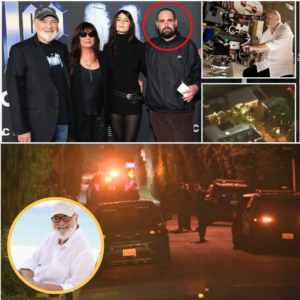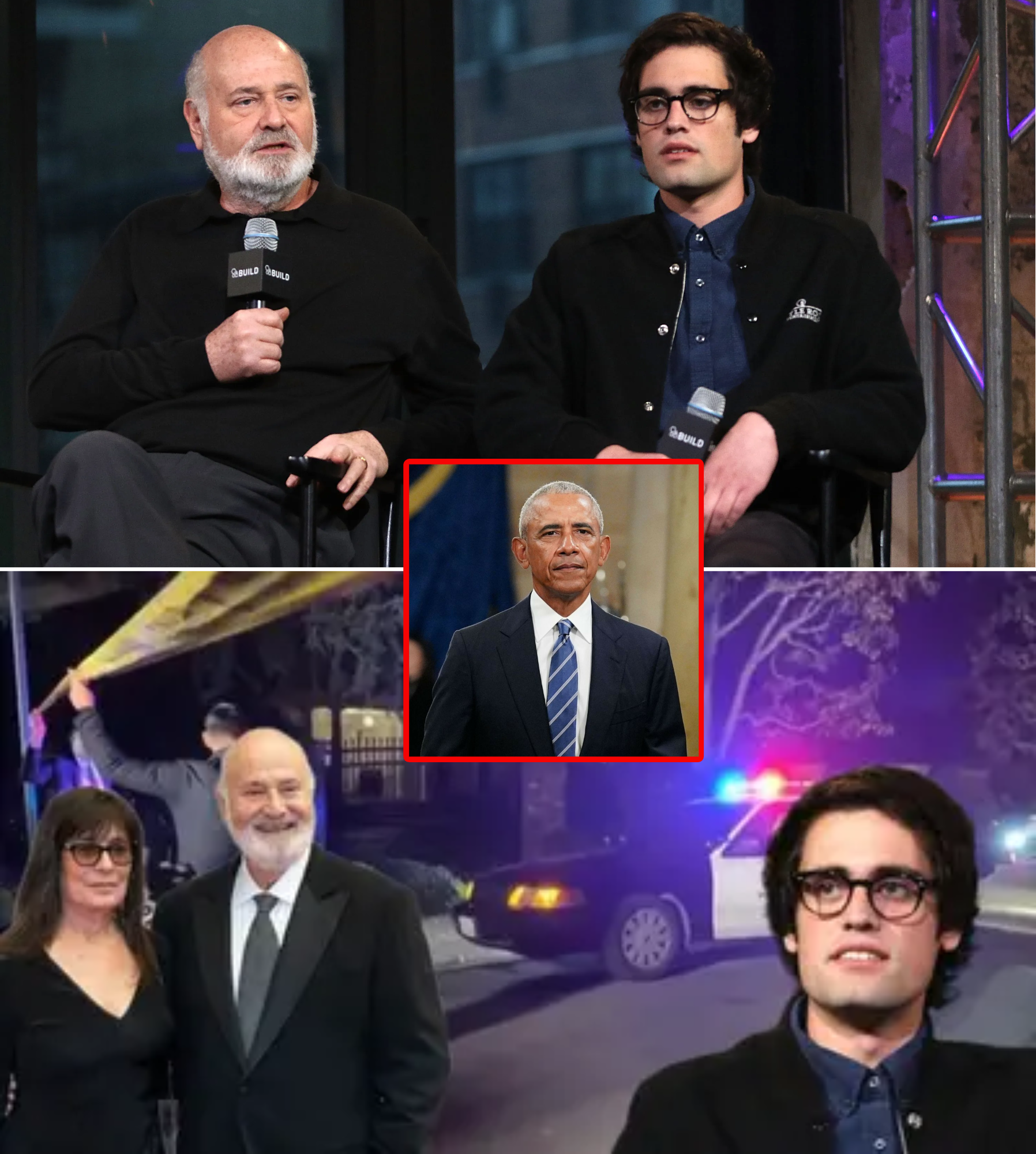
Los Angeles authorities are preparing to present evidence to prosecutors in the deaths of filmmaker Rob Reiner and his wife, Michele Singer Reiner, with their son Nick Reiner expected to face formal murder charges as early as this week. The Los Angeles Police Department confirmed Monday that Nick, 32, had been booked on suspicion of murder and remains held without bail following his arrest Sunday evening. The case, involving apparent stab wounds sustained by the couple in their Brentwood home, has drawn widespread attention amid emerging accounts of family tensions and personal connections.
The incident unfolded Sunday afternoon when emergency services responded to the upscale residence around 3:30 p.m. after a welfare concern. Paramedics confirmed Rob, 78, and Michele, 68, deceased on scene, with no signs of forced entry. The LAPD’s Robbery-Homicide Division quickly classified the matter as homicide, leading to Nick’s detention hours later. Chief Jim McDonnell described the situation as a “very tragic incident,” emphasizing ongoing evidentiary review ahead of submission to the district attorney’s office.
Reports from attendees at comedian Conan O’Brien’s holiday gathering Saturday night indicate a noticeable verbal exchange between Rob and Nick that drew attention from guests. Sources describe the interaction as intense, with the couple departing early. Nick’s demeanor—appearing reserved and in casual attire amid the formal setting—also stood out, contributing to an uneasy atmosphere. Family acquaintances note this occurred against a backdrop of longstanding efforts to support Nick through personal challenges, including documented recovery journeys.
Adding a poignant layer, former First Lady Michelle Obama revealed during a Monday evening television appearance that she and former President Barack Obama had scheduled plans with the Reiners for Sunday night. “We were supposed to be seeing them that night—last night—and we got the news,” she shared, expressing profound sorrow over the loss of longtime friends. The Obamas issued a statement highlighting Rob’s contributions to storytelling and shared values, underscoring the couple’s impact beyond Hollywood.
The Reiner household, a fixture in Brentwood for decades, had navigated private difficulties while maintaining public profiles in entertainment and advocacy. Rob and Michele’s 36-year marriage, originating on the set of “When Harry Met Sally…,” produced three children: Jake, Nick, and Romy, alongside Tracy from Rob’s prior union with Penny Marshall. Their collaborative spirit extended to projects like Castle Rock Entertainment, nurturing talents across film and television.
Nick’s experiences informed the 2015 film “Being Charlie,” co-written with his father and directed by Rob. The drama explored themes of recovery and family dynamics, reflecting real-life efforts toward stability. Recent years saw Nick residing intermittently on the property, with sources indicating ongoing discussions about supportive measures. Michele had reportedly shared concerns with close contacts about navigating these complexities, though the couple remained committed to assistance.
Neighbors portray the Reiners as generous community members, often engaging in local interactions and extending kindness. The property, featuring holiday accents at the time, now stands sealed as forensic teams catalog details. Preliminary findings align with an internal event, consistent with early family alerts—Romy reportedly facilitated initial contact with authorities.
Surviving siblings have unified in responses, issuing statements of grief and requests for privacy. “We are heartbroken by this sudden loss,” one read, resonating across media as tributes continue from industry figures. Norman Lear’s foundation honored Rob’s collaborative legacy, while peers like Billy Crystal offered immediate support.
Rob’s directorial catalog—from satirical “This Is Spinal Tap” to heartfelt “Stand by Me” and romantic “When Harry Met Sally…”—cemented his influence. Recent works, including “Spinal Tap II,” celebrated enduring creativity. Michele’s producing and photographic contributions provided essential balance, their partnership a model in creative circles.
As proceedings advance, legal observers note potential relevance of Nick’s background, possibly involving evaluations under established frameworks Rob supported through advocacy. The district attorney’s review will determine specific counts, with transparency pledged by officials.
Broader reflections highlight familial support needs in prominent settings. Organizations emphasize accessible resources, aligning with the Reiners’ philanthropic focus on youth and mental health.
In Brentwood, quiet tributes accumulate—floral arrangements and notes expressing communal respect. Locals recall the couple’s integration, from neighborhood gatherings to thoughtful gestures.
Hollywood retrospectives proliferate, revisiting themes of connection and resilience in Rob’s films. “The Princess Bride” affirms perseverance; “A Few Good Men” probes integrity—parallels drawn thoughtfully amid current events.
Family priorities include private arrangements, siblings coordinating amid networks of support. Jake and Romy pursue respective paths, echoing parental influences.
Investigators compile comprehensive timelines, incorporating witness accounts and communications. Caution prevails on interpretations, prioritizing facts.
The Obamas’ disclosure personalizes the timeline, a planned evening interrupted irrevocably. Michelle’s comments underscored the couple’s decency and courage, contrasting public narratives.
Community initiatives channel remembrance into aligned causes, sustaining commitments.
Los Angeles processes this prominent loss, resilience evident in ongoing dialogues.
Prosecutorial steps proceed methodically; family representatives balance cooperation and protection.
Additional elements may clarify context, but emphases remain on legacies preserved through art and action.
Rob’s oeuvre invites renewed appreciation—comedy roots to dramatic depth.
Michele’s subtle strengths endure in collaborative footprints.
Societal conversations urge fortified systems, honoring the couple’s ethos.
Siblings share archived moments selectively, affirming continuity.
The party exchange and canceled plans frame final hours poignantly.
Efforts extend impacts positively.
The narrative evolves, rooted in humanity amid prominence.