In the early hours of New Year’s Day 2026, the picturesque ski resort of Crans-Montana, Switzerland, was plunged into chaos as a catastrophic fire tore through Le Constellation, a popular local bar. The blaze claimed the lives of approximately 40 people, injured over 100 others, and left the close-knit Alpine community reeling. Initially attributed to an accidental ignition caused by sparklers on champagne bottles, the tragedy has taken a dramatic turn. A key survivor, the first to escape the inferno, has stunned authorities by retracting his original statement and alleging that the fire was not an accident but the work of a deliberate perpetrator. This bombshell revelation has reignited public interest and raised chilling questions about what truly happened that night.
The Night of the Tragedy
Le Constellation was a beloved haunt for locals and tourists alike, known for its lively atmosphere, affordable drinks, and accessibility to younger crowds. Nestled in the heart of Crans-Montana, the bar was packed with revelers celebrating the arrival of 2026. The two-story venue, with its basement dance floor and upstairs sports viewing area, could hold up to 300 people. On that fateful night, it was filled with teenagers and young adults, many of whom were locals or vacationers enjoying the peak holiday season.
Witness accounts describe a festive scene that quickly descended into horror. Around 1:30 AM, flames erupted, spreading rapidly across the basement ceiling. Survivors recall a suffocating cloud of black smoke, panicked screams, and a desperate scramble toward narrow exits. Some broke windows to escape, while others were trapped in a deadly bottleneck at the main staircase. The fire’s ferocity, fueled by what investigators initially believed to be flammable acoustic foam, left little time for evacuation. Emergency services, including fire engines, ambulances, and helicopters, rushed to the scene, but the scale of the disaster overwhelmed initial response efforts.
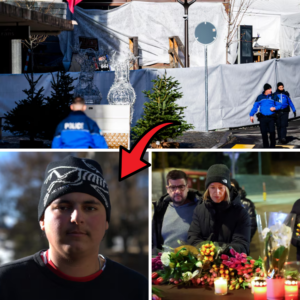
Among the chaos, one individual, a 16-year-old French teenager named Axel Clavier, emerged as a key figure. Axel, who was in the basement when the fire broke out, managed to escape by overturning a table to shield himself from the flames and smashing a window to reach safety. His quick thinking not only saved his life but also allowed him to provide one of the earliest accounts to authorities, cementing his role as a critical witness.
The Initial Narrative: An Accidental Blaze
In the days following the fire, Swiss authorities, led by Valais canton Attorney General Beatrice Pilloud, released preliminary findings. The blaze was believed to have been sparked by sparklers attached to champagne bottles, a common celebratory flourish at Le Constellation. Video evidence and witness statements suggested that these sparklers, held too close to the ceiling, ignited flammable materials, triggering a rapid “flashover” that engulfed the basement. The investigation focused on safety lapses, including the adequacy of fire exits, the presence of fire extinguishers, and whether the bar complied with regulations. The bar’s two French managers were placed under criminal investigation for potential negligence, with authorities examining whether renovations or substandard materials contributed to the disaster’s severity.
Axel’s original statement to police aligned with this narrative. He described the chaotic scene, noting the sudden appearance of flames and the overwhelming smoke that made escape nearly impossible. His account, corroborated by other survivors, painted a picture of a tragic but unintentional incident—a preventable catastrophe born of poor safety measures and an unfortunate spark.
A Shocking Reversal
This week, however, Axel Clavier returned to the authorities with a stunning revision to his story, one that has sent shockwaves through the ongoing investigation. In a private meeting with prosecutors, the teenager claimed that the fire was not caused by sparklers but was deliberately set by an unknown perpetrator. According to sources familiar with the case, Axel now alleges that he witnessed an individual acting suspiciously in the moments before the fire erupted. He described seeing someone near the basement ceiling, possibly tampering with materials or introducing an accelerant, though he admitted the smoke and chaos obscured clear details.
This abrupt change has raised eyebrows among investigators and the public alike. Why did Axel wait until now to share this account? Was he initially too traumatized to process what he saw, or is there another motive behind his revised statement? Authorities are treating his claims with cautious skepticism, noting that the emotional toll of the tragedy could have affected his recollection. Yet, the possibility of foul play has reignited scrutiny of the case, prompting police to reexamine evidence and interview additional witnesses.
Who Is Axel Clavier?
Axel Clavier, a Parisian high school student, was vacationing in Crans-Montana with friends when he found himself at Le Constellation on New Year’s Eve. Described by peers as quick-witted and resourceful, Axel’s actions during the fire—flipping a table to shield himself and breaking a window—demonstrated remarkable presence of mind for someone so young. His survival story initially made him a local hero, with media outlets praising his bravery. However, his decision to revise his statement has thrust him into a more complex spotlight.
Some speculate that Axel’s new claim could stem from survivor’s guilt or a desire to make sense of the senseless loss of friends, four of whom perished in the fire. Others wonder if he witnessed something he initially suppressed, perhaps out of fear or uncertainty. There are even whispers of external pressures—could someone have influenced him to alter his story, or is he seeking attention amid the tragedy’s ongoing media coverage? Without concrete evidence, these questions linger, but Axel’s credibility as a witness remains pivotal to the investigation’s next steps.
A Community in Mourning, A Case in Flux
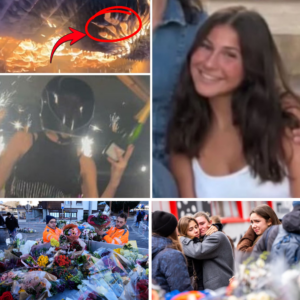
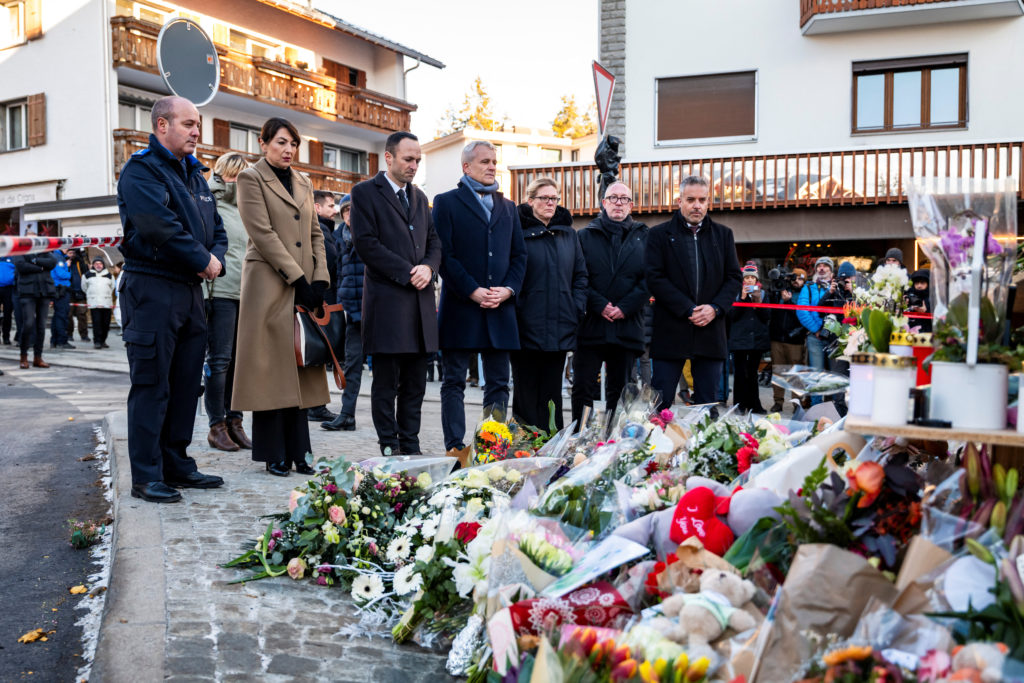
The Crans-Montana fire has left an indelible mark on the region. Memorials of flowers and candles line the streets, and a silent procession earlier this week drew hundreds to honor the victims, many of whom were teenagers. The identification of bodies, complicated by severe burns, continues to torment families awaiting closure. Hospitals in Zurich, Lausanne, and even Milan are treating dozens of survivors, some still fighting for their lives.
Axel’s allegation of a deliberate perpetrator has added a layer of unease to an already grieving community. If true, it would transform the tragedy from a preventable accident into a heinous act of violence, potentially implicating someone within the tight-knit resort town. Investigators are now tasked with verifying Axel’s claims, a process that includes reanalyzing forensic evidence, security footage, and witness testimonies. The bar’s managers, already under scrutiny, could face additional questions about who was present that night and whether any unusual behavior was reported.
Broader Implications
This development raises broader questions about safety and accountability in nightlife venues, particularly in tourist-heavy regions like the Alps. If Axel’s claims are substantiated, they could spark a reckoning about security protocols, including how venues monitor patrons and prevent malicious acts. Even if his allegations prove unfounded, the fire has already exposed vulnerabilities in Le Constellation’s safety measures, prompting calls for stricter regulations across Switzerland’s hospitality industry.
For now, Crans-Montana remains a town in mourning, grappling with loss and searching for answers. Axel Clavier’s revised statement has cast a shadow of doubt over the official narrative, forcing authorities and the public to confront an unsettling possibility: that the fire was not a tragic accident but a deliberate act of destruction. As the investigation unfolds, all eyes are on Axel, the teenager whose words could reshape the story of one of Switzerland’s darkest nights.