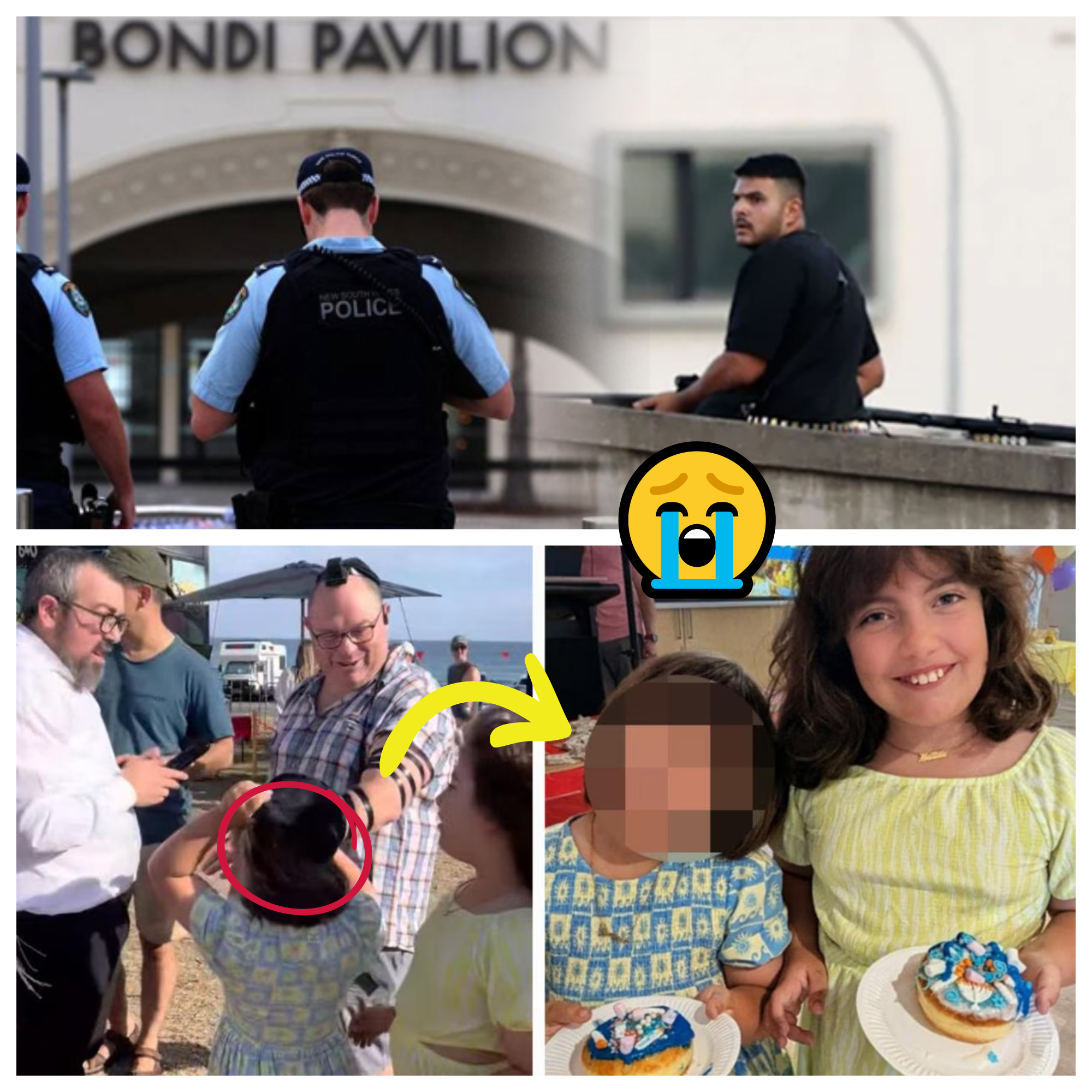
The sun-kissed shores of Bondi Beach, synonymous with joy and celebration, turned into a scene of unimaginable horror on December 14, 2025, when two gunmen opened fire on a Hanukkah gathering, claiming 15 lives in a senseless act of terror. Among the victims was 10-year-old Matilda, the youngest casualty, whose bright spirit and infectious smile have become symbols of a nation’s collective grief. As Australia grapples with the aftermath, her family has shared poignant insights into their loss, including the raw, heartbreaking words from Matilda’s six-year-old sister, Summer, who witnessed the tragedy unfold.
Matilda’s family, who emigrated from Ukraine seeking safety and a fresh start, chose her name as a nod to the iconic Australian song “Waltzing Matilda,” embodying their love for their adopted homeland. Described by loved ones as a “joyful, friendly, and genuine girl,” Matilda was inseparable from her little sister. The two shared everything—from playful adventures to quiet moments of sisterly bond. On that fateful evening, they attended the beachside Hanukkah event to light candles and celebrate light over darkness. Instead, chaos erupted as shots rang out, shattering the festive atmosphere.
In the days following, Matilda’s aunt, Lina Chernykh, spoke at a vigil, her voice trembling with emotion. She urged the community to channel their anger into love, saying, “Take your anger and just spread happiness and love and memory for my lovely niece.” Lina painted a picture of Matilda as an angel now, hoping she sends “good vibes to the world.” But it was the revelation about Summer that pierced hearts deepest. The six-year-old, confused and devastated, reportedly whispered through tears, “Why isn’t Matilda coming back? She promised to play with me.” These innocent words, shared by the family, capture the profound innocence lost, highlighting how the attack robbed not just a life but a sibling’s world.
The family has expressed profound shock, with Lina noting the parents’ faces reflect a happiness that may never return. “I don’t know if they will ever be happy again,” she said. Summer, described as having “no more tears to cry,” struggles to comprehend the void. Vigils across Sydney have drawn thousands, with mourners donning bee motifs—a nod to Matilda’s nickname or perhaps her buzzing energy—turning grief into calls for unity against hate.
This tragedy has sparked national introspection on antisemitism and security at public events. Prime Minister Anthony Albanese attended Matilda’s funeral, vowing tougher hate crime laws. The attackers, identified as brothers with alleged ties to extremist groups, were killed in a police shootout, but questions linger about prevention. Matilda’s story transcends borders; her Ukrainian roots add layers to the narrative of seeking refuge only to face violence anew.
As tributes flood social media, from beaming photos of Matilda at school to artworks depicting her as a guardian angel, her legacy endures. In a world darkened by such acts, her family’s plea resonates: honor her by spreading light. Yet, the echo of Summer’s question lingers, a stark reminder of the human cost behind headlines.