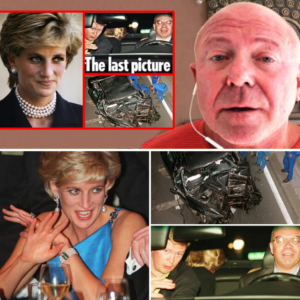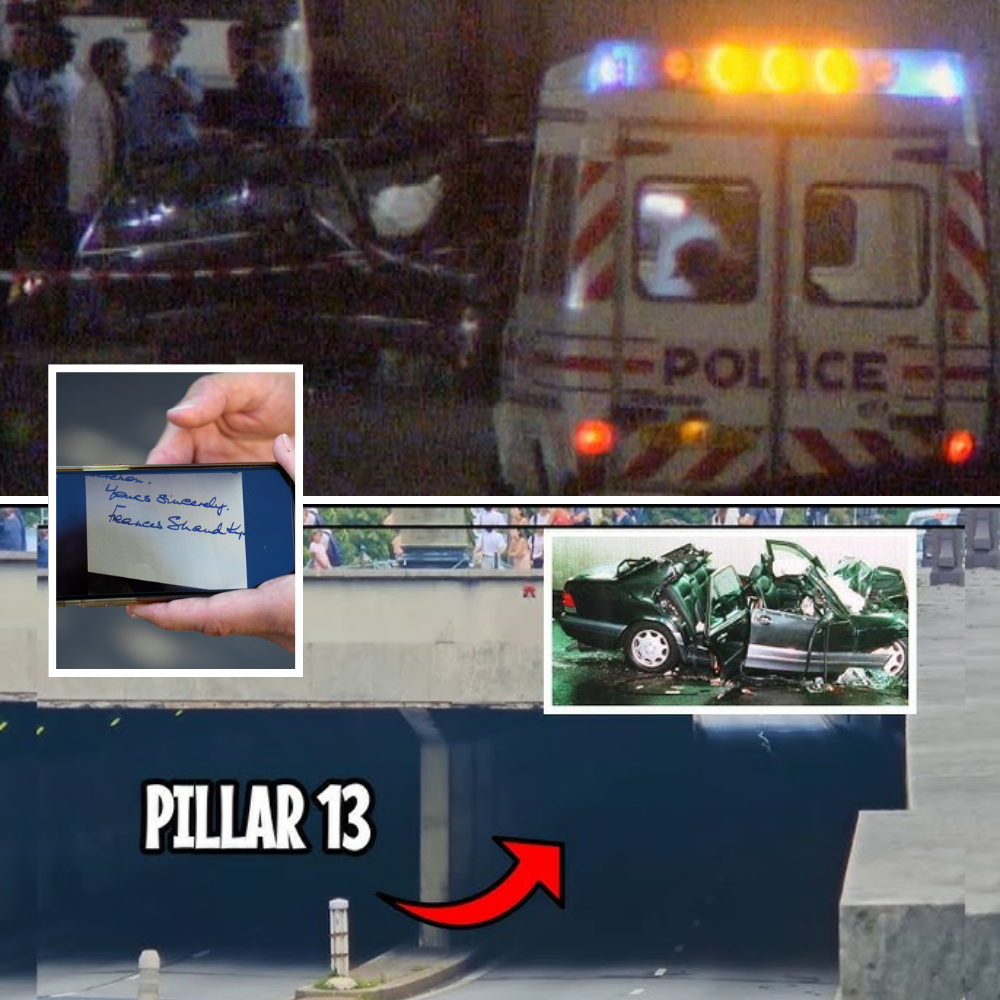
A bombshell revelation has emerged nearly three decades after the tragic death of Princess Diana, as a retiring medical responder who was at the Paris crash site claims there were disturbing irregularities in the rescue efforts. According to the paramedic, who has chosen to speak out only now as she approaches retirement, Diana showed clear signs of life upon initial assessment—she was breathing and responsive. However, the responder alleges she was abruptly instructed to step back and leave the scene, allowing unidentified “others” to take over emergency measures. This, she insists, points to something deeply suspicious surrounding the events of August 31, 1997.
The account revives long-dormant questions about the circumstances of Diana’s fatal car crash in the Pont de l’Alma tunnel. Official reports from both French and British investigations have consistently concluded that her death resulted from injuries sustained in the high-speed collision, driven by an intoxicated chauffeur evading paparazzi. Diana suffered severe internal trauma, including a torn pulmonary vein, and passed away hours later in hospital despite intensive efforts.
Yet, this new testimony echoes persistent public skepticism. The paramedic describes arriving promptly and detecting vital signs, only to be directed away under unclear authority. She suggests fear of repercussions silenced her for years, but retirement has freed her to reveal what she believes is the truth: the response may have been deliberately mishandled.

Historical details lend context to such claims. French emergency protocols differ markedly from those in other countries, emphasizing on-site stabilization over rapid transport to hospital—a “stay and play” approach that has fueled speculation about delays. The ambulance took over 40 minutes to reach the hospital, stopping en route due to Diana’s deteriorating condition. First responders, including off-duty doctor Frederic Mailliez and firefighter Xavier Gourmelon, have previously shared that Diana was conscious initially, murmuring words like “My God” as they administered aid.
Gourmelon, in a 2017 interview marking the 20th anniversary, recounted holding Diana’s hand and believing she would survive after her heart restarted briefly. Other witnesses, including a lawyer at the scene, have questioned response times and priorities. Conspiracy theories, extensively investigated in the UK’s Operation Paget report, alleged everything from MI6 involvement to deliberate sabotage, but were ultimately dismissed as unsubstantiated.
This latest claim arrives amid renewed interest in Diana’s legacy, amplified by media portrayals and documentaries. Supporters argue it exposes potential cover-ups protecting powerful interests, while skeptics view it as another unsubstantiated addition to decades of rumor. No official bodies have commented on this specific testimony yet, but it undoubtedly stirs debate about transparency in one of history’s most scrutinized tragedies.
As the world reflects on Diana’s enduring impact—her humanitarian work, charisma, and untimely loss at 36—this retiring voice adds a chilling layer. Was it mere protocol, tragedy, or something more sinister? The question lingers, reminding us why her story continues to captivate and divide.