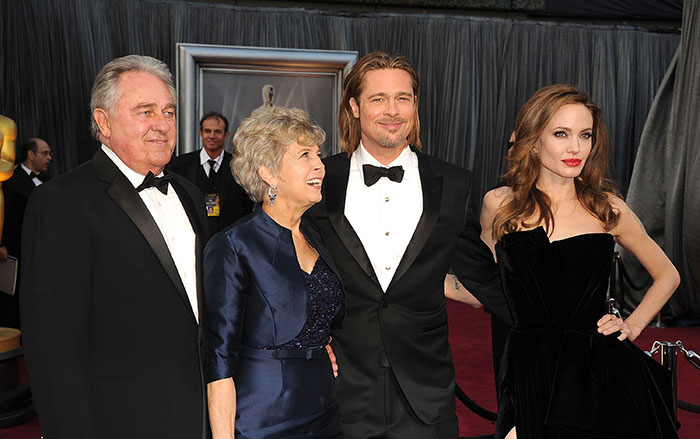
In 1986, a young William Bradley Pitt, known to the world as Brad, made one of the boldest decisions of his life. Just two weeks shy of graduating from the University of Missouri with a degree in journalism and advertising, he packed his belongings into his old Datsun car and headed west to Los Angeles. Armed with only about $325 in his pocket—money often attributed to family support—he left behind the stability of Springfield, Missouri, for the uncertain glamour of Hollywood. This leap of faith marked the beginning of a remarkable career that would transform him into one of cinema’s most enduring icons.
Pitt grew up in a close-knit family in Springfield, the eldest child of William Alvin Pitt, who ran a trucking company, and Jane Etta Pitt, a dedicated school counselor. Raised in a conservative environment, young Brad excelled in high school activities, from sports to debating and musicals, but his passion for film pulled him away from a conventional path. Films represented an escape and a portal to different worlds, inspiring him to pursue acting despite the risks. Upon arriving in Los Angeles, he took acting classes, worked odd jobs like driving limousines and dressing as a chicken mascot for restaurants, and landed small, often uncredited roles in television and film.
The early years were a grind, filled with auditions and rejections, but Pitt’s determination paid off. His breakthrough came in 1991 with a memorable role in Thelma & Louise, followed by critically acclaimed performances in films like A River Runs Through It (1992), Interview with the Vampire (1994), and Se7en (1995). Over the decades, he evolved from heartthrob roles to complex characters in movies such as Fight Club (1999), Inglourious Basterds (2009), Moneyball (2011), and The Tree of Life (2011). As a producer through his company Plan B Entertainment, he also contributed to award-winning projects like 12 Years a Slave (2013), which earned him his first Oscar.

Nearly 35 years after that fateful drive to Hollywood, Pitt achieved a pinnacle moment in 2020 when he won the Academy Award for Best Supporting Actor for his portrayal of stuntman Cliff Booth in Quentin Tarantino’s Once Upon a Time in Hollywood. In an emotional acceptance speech, he reflected on the industry’s highs and lows, dedicating the win to his children and expressing gratitude for the opportunities he’s had. The journey from a near-graduate with modest means to an Oscar holder underscores themes of perseverance and the importance of family backing.
Throughout his career, Pitt has credited his upbringing for grounding him. His mother’s supportive nature—evident in her attendance at premieres and her role as a pillar during his rise—played a key part in giving him the confidence to chase his dreams. Stories of family encouragement highlight how a safety net of love can empower big risks. Today, with multiple accolades, blockbuster hits, and philanthropic efforts, Brad Pitt’s story remains an inspiring tale of turning ambition into legacy, proving that sometimes, leaving everything behind leads to extraordinary destinations.