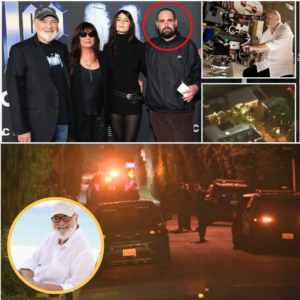
In a revelation that has sent shivers through investigators and the public alike, the first police officer to approach and apprehend Nick Reiner during his arrest reportedly heard three bone-chilling words muttered under the suspect’s breath: “They deserved it.” The 32-year-old son of Hollywood icon Rob Reiner and his wife Michele Singer Reiner displayed no visible signs of remorse as he was taken into custody on December 14, 2025, just hours after the brutal stabbing deaths of his parents in their Brentwood home.
The arresting officer, part of a joint task force that located Nick near Exposition Park in South Los Angeles, described the moment as one that “gave me goosebumps.” According to sources familiar with the encounter, Nick—disheveled, possibly still bearing traces of the crime—was cooperative during the arrest, offering no resistance. As handcuffs clicked into place and he was read his rights, he allegedly leaned in slightly and whispered the damning phrase referring to his slain parents. “He didn’t shout it, didn’t cry, didn’t break down,” the source recounted. “Just cold, flat, like he meant every word. No regret, no tears—nothing.”
This alleged lack of remorse has deepened the horror surrounding the case, painting a portrait of profound emotional detachment or entrenched resentment. Prosecutors and law enforcement have noted that such demeanor in the immediate aftermath of a familial homicide often signals deep-seated issues, potentially amplifying the tragedy’s psychological layers. Nick, charged with two counts of first-degree murder with special circumstances—including multiple murders and use of a deadly weapon—faces the possibility of life without parole or the death penalty if convicted.
The murders shocked the nation when details emerged on December 15. Rob Reiner, 78, the beloved director of classics like “The Princess Bride,” “When Harry Met Sally…,” “Stand by Me,” and “A Few Good Men,” and Michele, 70, his creative partner and photographer, were found dead in their master bedroom by their daughter Romy, 28, who arrived after a missed appointment raised alarms. Both had suffered fatal throat wounds in what authorities described as a savage, intimate attack—no forced entry, suggesting the killer was someone trusted.
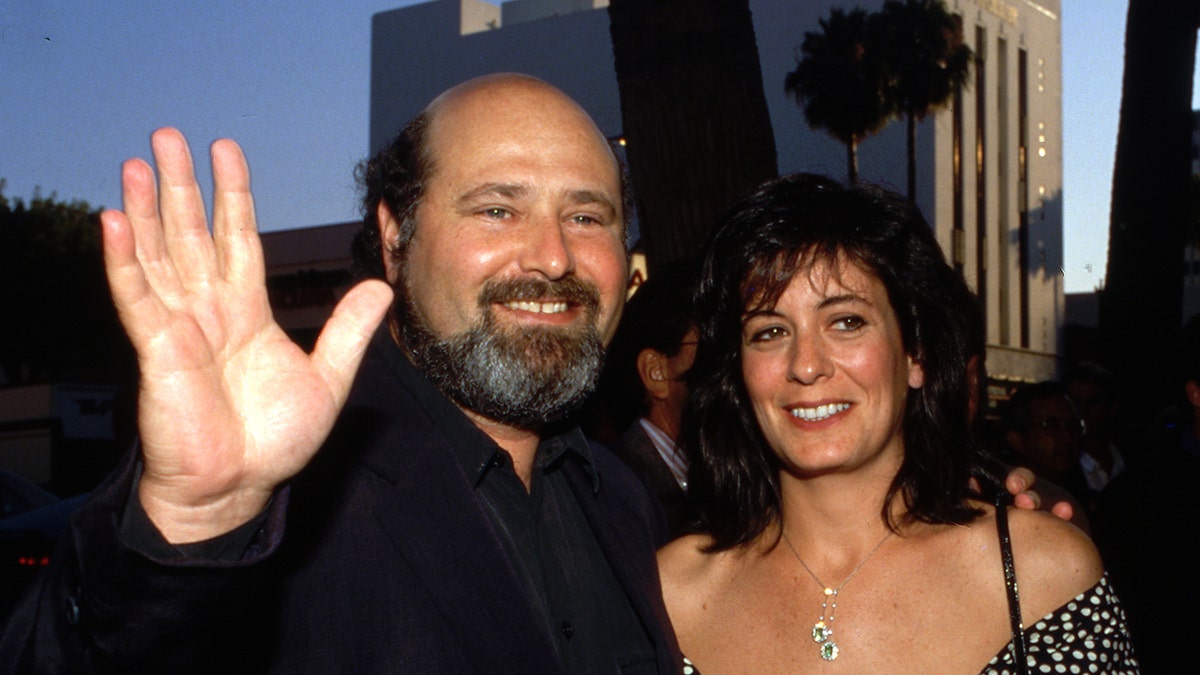
Nick’s arrest came swiftly that evening, around 9:15 p.m., after tips and tracking led officers to him in a public area far from the affluent Brentwood neighborhood. Blood evidence reportedly found in a motel room he checked into early Sunday morning further tied him to the scene. From the moment of capture, his flat affect stood out: no panic, no denial, just an eerie calm punctuated by those whispered words that now haunt the responding team.
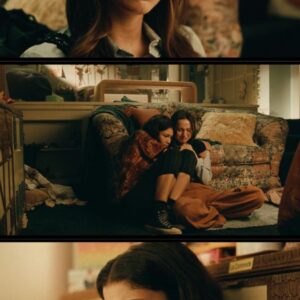
Nick’s troubled history provides painful context. Open about his addiction struggles since adolescence, he endured numerous rehab attempts, homelessness, and relapses. The 2015 film “Being Charlie,” co-written by Nick and directed by Rob, drew from his experiences, exploring a young man’s rage against parental interventions perceived as controlling. In interviews, Nick expressed frustration over “tough love” approaches, feeling unheard as his parents followed professional advice. Rob and Michele later voiced regrets, admitting they sometimes ignored his pleas that certain programs weren’t helping.
Family friends described escalating tensions. Nick resided sporadically in a guesthouse on the property, with ultimatums issued amid outbursts—walls punched, furniture destroyed during drug-fueled episodes. Michele confided worries about his untreated mental health, fearing he was spiraling. The night before the killings, at Conan O’Brien’s holiday party on December 13, Nick’s odd behavior culminated in a public argument with Rob, prompting the couple to leave early, embarrassed and concerned.
This confrontation may have ignited accumulated fury. Criminal profilers note that lack of remorse post-arrest, especially in overkill attacks like throat-slitting, often stems from long-brewing hostility—viewing victims as sources of ongoing pain or control. The method’s brutality—personal, up-close—reinforces theories of intense resentment, where the act becomes symbolic retribution.
The whispered “They deserved it” aligns with this, suggesting Nick justified the violence in his mind, perhaps blaming his parents for his struggles or perceived failures. Addiction experts explain how prolonged substance abuse, particularly stimulants, can erode empathy, fostering paranoia and entitlement. Combined with potential underlying psychiatric issues, it creates a volatile mix where family becomes the target for displaced anger.
Hollywood and beyond mourn the loss of a couple celebrated for warmth and artistry. Rob’s films delivered joy and insight, his activism championed causes with passion. Michele’s influence—pushing for the optimistic ending in “When Harry Met Sally…”—reflected her spirit. Tributes from Billy Crystal, Mandy Patinkin, Cary Elwes, and political figures highlight their humanity. Former President Barack Obama, scheduled to dine with them that Sunday, expressed devastation.
Surviving siblings—Jake Reiner, Tracy (from Rob’s marriage to Penny Marshall), and Romy—endure compounded trauma: discovering the bodies, identifying a brother as suspect. Romy reportedly alerted authorities to Nick’s potential danger early on.
As Nick remains on suicide watch, his arraignment delayed for evaluation, the case probes deeper: evidence collection, psychological assessments. The arresting officer’s account, though not publicly confirmed in statements, has circulated among investigators, underscoring the crime’s coldness.
In a town of scripted drama, this real-life horror exposes addiction’s devastating ripple effects. Rob and Michele fought tirelessly for their son, yet couldn’t bridge the chasm. The alleged words—”They deserved it”—echo as a final, chilling indictment of broken bonds.
Justice proceeds amid grief, but for those who knew the Reiners, the absence of remorse amplifies the heartbreak: a family torn not just by violence, but by unspoken, festering wounds.
The entertainment world unites in remembrance, vigils at Rob’s Walk of Fame star, messages stressing mental health support. In tragedy’s shadow, calls grow for compassion, early intervention—hoping to prevent futures where resentment festers into irreparable acts.
Nick’s trial looms, promising painful revelations. For now, those three whispered words linger, a ghostly reminder of how far love can fracture.