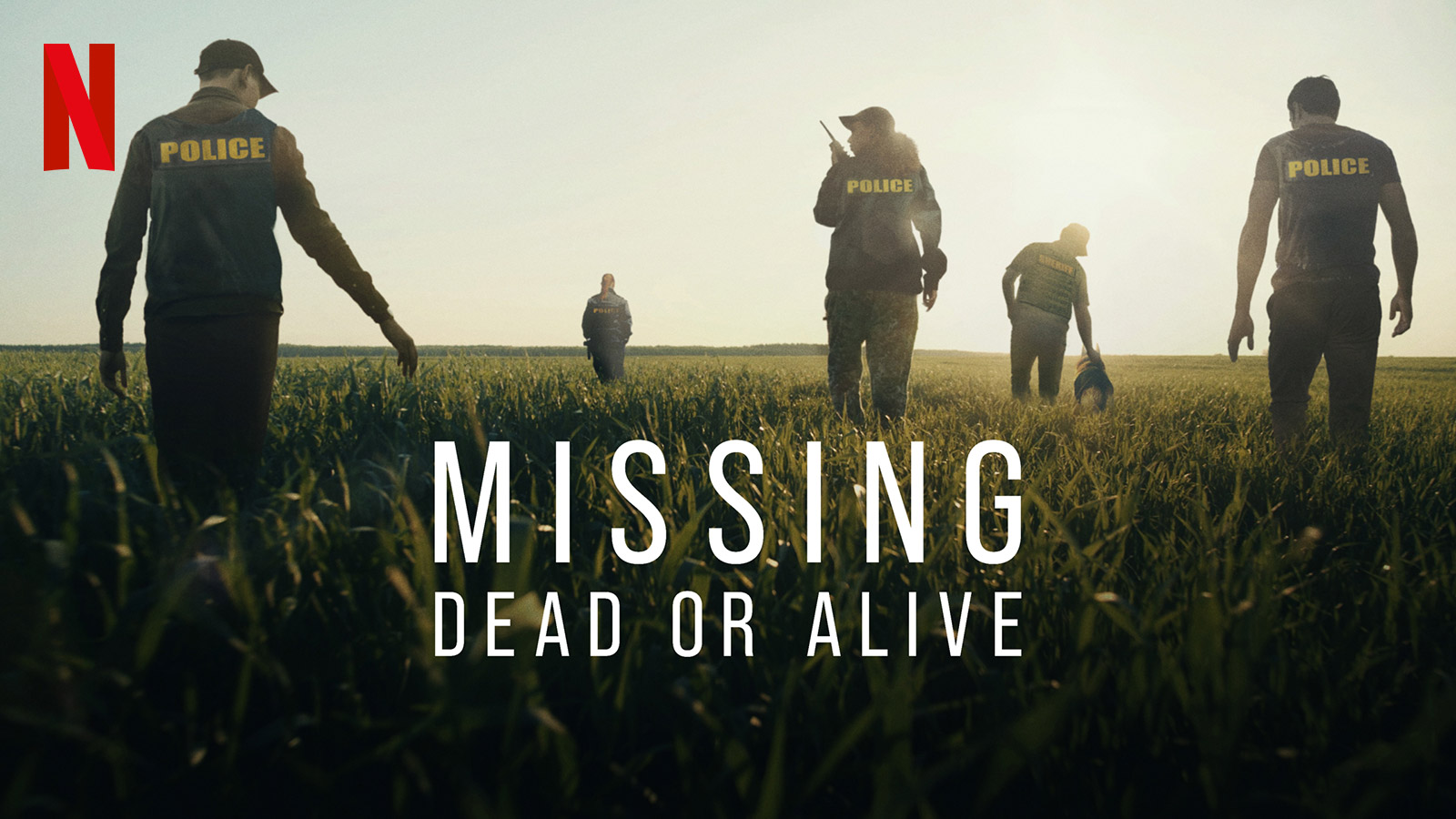
Netflix has unleashed what many are calling its most gripping and unsettling true-crime offering in years with Missing: Dead or Alive? Season 2. This four-part docuseries plunges viewers into the raw, high-stakes world of missing persons investigations, leaving audiences breathless and questioning everything by the time the credits roll on the finale. Released in late 2025, the season quickly climbed the charts, with viewers binge-watching through the night, unable to pause as buried evidence, crumbling alibis, and long-hidden secrets come crashing to the surface.
Unlike polished scripted thrillers, this series follows real officers from the Richland County Sheriff’s Department in Columbia, South Carolina, as they race against time in the critical early hours of disappearances. The urgency is palpable: every minute counts when someone vanishes under suspicious circumstances. With shaky timelines, unreliable witnesses, and powerful figures seemingly eager to bury the truth, each episode tightens the noose, building an almost suffocating tension that makes it hard to look away—or even breathe easy.
Diving into Real-Time Investigations
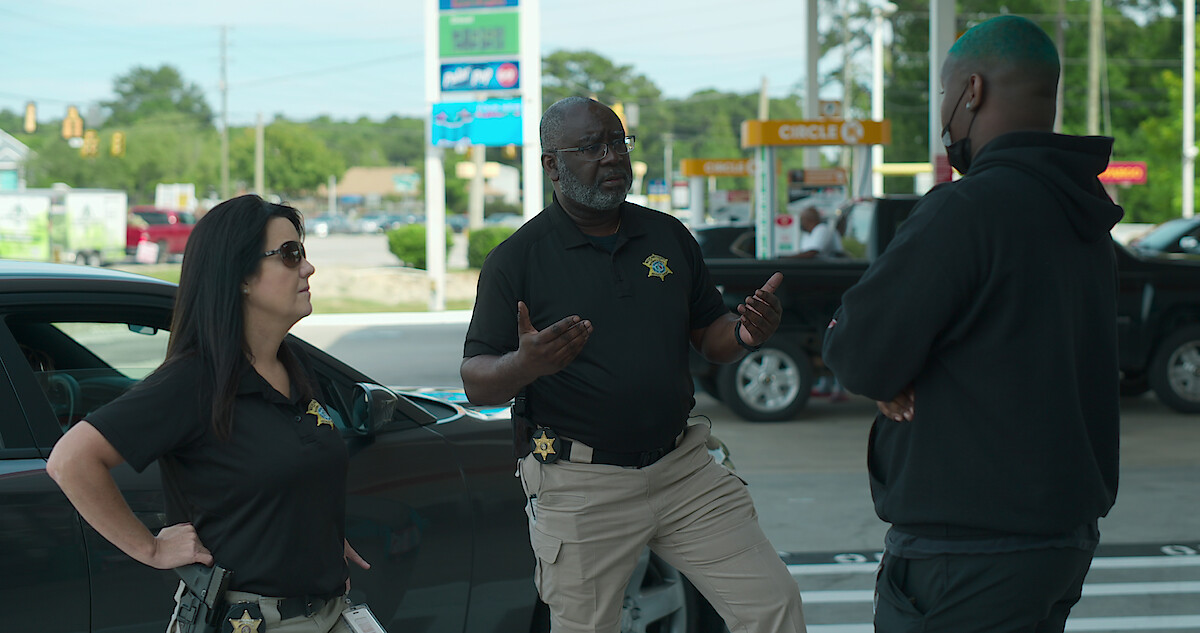
What sets Missing: Dead or Alive? apart from countless other true-crime shows is its intimate, fly-on-the-wall approach. The series shadows the Missing Persons Unit as cases unfold in real time, capturing the chaos, frustration, and occasional breakthroughs that define these investigations. Led by seasoned officers like Sergeant Vicki Rains, Investigator JP Smith, and Captain Heidi Jackson, the team navigates a minefield of leads, interviews, searches, and dead ends. These aren’t glamorous detectives from TV drama; they’re dedicated public servants grappling with the emotional toll of cases where hope fades fast.
Season 2 focuses on two primary disappearances that grip from the start. One involves a young woman last seen getting into a car with an unknown man in the dead of night, raising immediate fears of foul play. The other centers on a man who vanishes from his apartment without taking essential belongings, suggesting something sinister interrupted his routine. As the officers dig deeper, inconsistencies pile up: alibis that don’t hold under scrutiny, evidence that points in conflicting directions, and community members who seem reluctant to cooperate fully.
The production style amplifies the intensity. Cinematic close-ups, moody lighting, and urgent editing give it a dramatic edge that borders on thriller territory, yet it’s all rooted in reality. Viewers watch as K9 units scour vast areas, detectives pore over phone records and surveillance footage, and families endure agonizing waits for news. The human element shines through—the officers’ personal reflections on the job’s weight, their determination to bring closure, and the heartbreaking interactions with loved ones left in limbo.
The Cases That Haunt
At the heart of the season is the disappearance of Morgan Duncan, a 27-year-old father whose case exposes the dark underbelly of local drug networks and personal debts gone deadly. Morgan vanished in late 2023, leaving behind a life that seemed ordinary on the surface but was tangled in dangerous associations. Investigators zero in on Eric “Easy” Greene, a known dealer in the area, whose connections to Morgan raise red flags. What starts as a routine missing persons report escalates into a murder investigation, with evidence mounting that a seemingly small debt spiraled into tragedy.
Parallel threads explore other vanishings, including that of Shandon Floyd, whose nighttime encounter with a stranger sends the team racing to piece together his final movements. Witnesses provide conflicting accounts, timelines fracture, and potential suspects emerge with motives that shift as new details surface. The series doesn’t shy away from the grim possibilities—abduction, trafficking, or worse—while highlighting how everyday vulnerabilities can lead to catastrophe.
One of the most compelling aspects is the spotlight on the investigators themselves. Vicki Rains, with over two decades on the force, embodies the relentless drive that keeps her up at night, always clinging to hope even when cases look bleak. JP Smith handles juvenile and vulnerable adult cases with a seasoned eye, while the unit’s collaborative dynamic reveals the teamwork required to crack these puzzles. Their discussions about the psychological impact of the job add depth, reminding viewers that behind the badges are people profoundly affected by the outcomes.
Twists That Rewrite Everything
True to the genre’s best entries, Missing: Dead or Alive? thrives on revelations that upend assumptions. Just when the evidence seems to point conclusively in one direction, a new witness statement, forensic find, or overlooked clue flips the narrative. Alibis crumble under pressure, hidden relationships come to light, and what appeared to be random disappearances reveal calculated intent.
The finale delivers the kind of jaw-dropping pivot that has viewers rewinding in disbelief. Without spoiling the specifics, it involves a convergence of the cases’ threads in a way that exposes deeper corruption and desperation to conceal the truth. Powerful individuals’ efforts to influence the investigation unravel spectacularly, leading to a resolution that feels both satisfying and sobering. By the end, the series doesn’t just close the books on these disappearances—it forces reflection on how fragile safety can be and how far some will go to protect their secrets.
The emotional payoff is immense. Families’ raw grief, officers’ quiet triumphs or defeats, and the stark reality of outcomes—whether closure comes alive or in tragedy—linger long after. It’s the sort of ending that leaves you staring at a blank screen well past midnight, processing the twists and the real human cost.

Why It’s So Unbearably Addictive
In a crowded true-crime landscape, Missing: Dead or Alive? stands out for its authenticity and pacing. Each episode runs around 40-45 minutes, making it a quick but intense binge—perfect for a single evening, though many report finishing it in one breathless sitting. The blend of procedural detail and emotional stakes creates an addictive pull: you need to know what happens next, even as the darkness weighs heavy.
Critics and viewers alike praise its respectful handling of sensitive cases, avoiding sensationalism while delivering edge-of-your-seat suspense. It’s educational too, offering insight into the often-overlooked work of missing persons units—how they coordinate searches, interview suspects, and navigate bureaucratic hurdles. Yet it’s never dry; the high production values, including immersive reenactments and atmospheric scoring, heighten the nightmare-like quality.
Flaws are few, though some note the dramatic flair occasionally borders on overproduced, blurring lines between documentary and docudrama. A handful of threads feel rushed in the compact four-episode format, but these are minor quibbles in an otherwise masterful season.
A Chilling Must-Watch
Missing: Dead or Alive? Season 2 is Netflix at its most compelling in the true-crime space—dark, unflinching, and utterly consuming. It honors the real people at the center of these stories while crafting a narrative that rivals the best fictional thrillers. If you’re drawn to tales of buried truths and high-stakes hunts for justice, this is essential viewing. Just be prepared: once you start, stopping isn’t an option, and that finale will haunt you long into the night.
Clear your schedule, dim the lights, and dive in. But don’t say you weren’t warned—this one will have you holding your breath until the very last revelation.