In the glittering yet often unforgiving world of Hollywood, where fairy tales are spun on celluloid and legacies are etched in stardust, few stories have ever unfolded with such raw, heartbreaking horror as the one that gripped the nation on December 14, 2025. Rob Reiner, the iconic director behind timeless classics like The Princess Bride and When Harry Met Sally…, and his beloved wife of over three decades, Michele Singer Reiner, were found deceased in their luxurious Brentwood home in Los Angeles. What began as a routine welfare check escalated into a scene straight out of a thriller—one that Reiner himself might have masterminded on screen. The official cause of death, released by the Los Angeles County Medical Examiner’s Office just days later, sent shockwaves through the entertainment industry and beyond: multiple sharp force injuries, ruled as homicide. Stabbings, brutal and intimate, had claimed the lives of this power couple, transforming their sanctuary into a crime scene and thrusting their family into an unimaginable nightmare.
The news broke like a thunderclap, dominating headlines and social media feeds. Fans who had grown up quoting lines from Reiner’s films—”As you wish” or “I’ll have what she’s having”—were left reeling, their nostalgia tainted by tragedy. But this wasn’t just a loss for cinema; it was a profound human story of love, struggle, and betrayal, one that peeled back the veneer of celebrity to reveal the vulnerabilities beneath. As details emerged, the narrative darkened further: their son, Nick Reiner, 32, was arrested and charged with the murders, painting a portrait of familial discord amid battles with addiction and unspoken tensions. In this in-depth exploration, we delve into the lives they lived, the horror that ended them, and the ripples of grief that continue to spread, urging readers to confront the fragility of even the most storied existences.

bbc.com
Rob Reiner: Six classic movies from the ‘big-hearted genius’ director
A Legacy Forged in Laughter and Light: Rob Reiner’s Illustrious Career
To understand the magnitude of this loss, one must first appreciate the man at its center. Born on March 6, 1947, in the Bronx, New York, Robert Reiner was Hollywood royalty from the start. The son of legendary comedian Carl Reiner and singer Estelle Reiner, he grew up immersed in show business, rubbing shoulders with icons like Mel Brooks and Sid Caesar. But Rob wasn’t content to ride on his father’s coattails; he carved his own path, blending sharp wit, heartfelt storytelling, and a keen eye for human folly.
Reiner’s breakout role came in the 1970s as Michael “Meathead” Stivic on the groundbreaking sitcom All in the Family. Playing the liberal son-in-law to Archie Bunker’s bigoted everyman, Reiner embodied the generational clashes of the era, earning two Emmy Awards and cementing his place in television history. Yet, it was behind the camera where he truly shone. Transitioning to directing in the 1980s, Reiner delivered a string of hits that defined a decade of feel-good cinema.
His directorial debut, This Is Spinal Tap (1984), revolutionized the mockumentary genre with its hilarious send-up of rock stardom. Co-written with Christopher Guest, Harry Shearer, and Michael McKean, the film introduced the world to the hapless band Spinal Tap, whose amps went “to eleven.” Critics hailed it as a satirical masterpiece, and it spawned a cult following that endures today. Following this, Stand by Me (1986) adapted Stephen King’s novella into a poignant coming-of-age tale, capturing the bittersweet essence of childhood friendships amid a quest to find a dead body. Starring Wil Wheaton, River Phoenix, Corey Feldman, and Jerry O’Connell, it resonated with audiences for its raw emotion and nostalgic glow.

But perhaps Reiner’s most enduring gift was The Princess Bride (1987), a whimsical fairy tale that blended romance, adventure, and comedy. With Cary Elwes as the dashing Westley, Mandy Patinkin as the vengeful Inigo Montoya, and Robin Wright as the fair Buttercup, the film became a cultural touchstone. Lines like “My name is Inigo Montoya. You killed my father. Prepare to die” have been quoted ad nauseam, and its meta-narrative—framed as a grandfather reading to his grandson—added layers of warmth. Reiner’s direction infused the story with irreverent humor and genuine heart, making it a perennial favorite for generations.
The hits kept coming: When Harry Met Sally… (1989) explored modern romance through Billy Crystal and Meg Ryan’s banter-filled journey from friends to lovers, featuring that infamous deli scene. Misery (1990) showcased Reiner’s versatility with a chilling adaptation of King’s novel, earning Kathy Bates an Oscar for her terrifying portrayal of Annie Wilkes. And A Few Good Men (1992), starring Tom Cruise, Demi Moore, and Jack Nicholson, delivered courtroom drama at its finest, with Nicholson’s explosive “You can’t handle the truth!” becoming iconic.
Beyond blockbusters, Reiner was a vocal activist, co-founding the American Foundation for Equal Rights and championing progressive causes like marriage equality and environmental protection. His documentaries, such as God & Country (2024), tackled Christian nationalism, reflecting his commitment to social justice. Rob Reiner wasn’t just a filmmaker; he was a cultural architect, building bridges through laughter and empathy.
A Partnership Built on Love and Resilience: Michele Singer Reiner’s Role in His World
At Rob’s side for 35 years was Michele Singer Reiner, a woman whose quiet strength complemented his larger-than-life persona. Born in 1955, Michele met Rob in the late 1980s while working as a photographer and filmmaker. They married on May 19, 1989, in a union that blended Hollywood glamour with genuine devotion. Michele, often described as Rob’s rock, supported his career while pursuing her own passions in philanthropy and the arts.
Together, they raised three children: Nick (born 1993), Jake (born 1995), and Romy (born 1997). Rob also had a daughter, Tracy, from his previous marriage to actress Penny Marshall. The family appeared idyllic, often attending red-carpet events and sharing glimpses of their life on social media. Michele was instrumental in Rob’s personal growth, helping him navigate the pressures of fame. In interviews, Rob credited her with grounding him, saying she was the “love of my life” who brought balance to his chaotic world.
But beneath the surface, challenges lurked. Their son Nick’s battles with addiction cast a shadow over the family. In 2016, Rob and Nick collaborated on Being Charlie, a semi-autobiographical film about a young man’s struggle with heroin. Nick co-wrote the script, drawing from his own experiences—over a dozen rehab stints, periods of homelessness, and a desperate fight for sobriety. Rob later reflected on the project as a cathartic experience that deepened their bond, admitting in a Los Angeles Times interview that he and Michele had felt misled by professionals who dismissed Nick’s pleas. “We should have been listening to our son,” Rob said, highlighting the family’s resilience amid heartache.
Michele, too, spoke of the toll: “They would tell us he’s a liar, that he was trying to manipulate us. And we believed them.” Yet, their love persevered, turning personal pain into art that helped others. This backdrop of familial strife adds a layer of tragedy to their deaths, raising questions about unresolved tensions that may have boiled over.
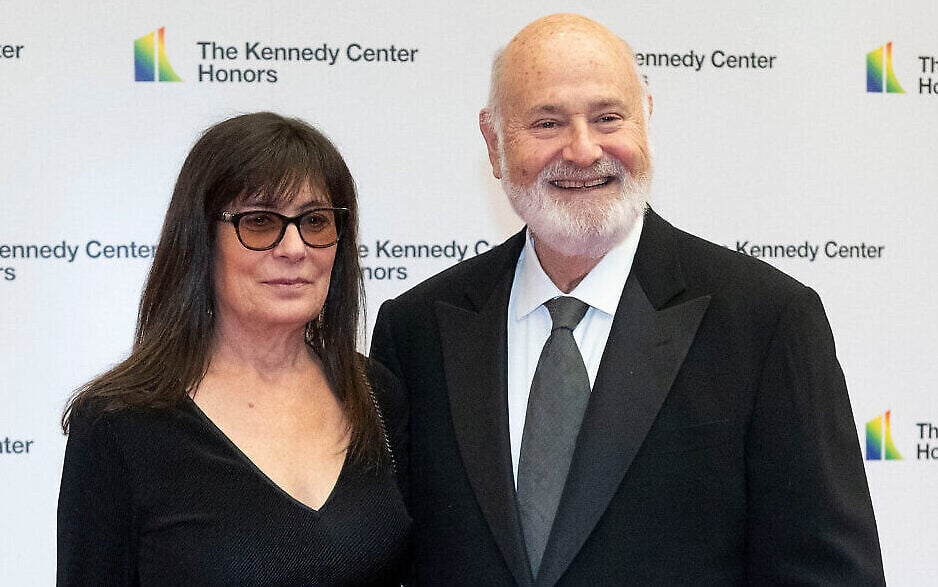
timesofisrael.com
Legendary director-actor Rob Reiner and wife found dead at home; homicide suspected | The Times of Israel
The Fateful Night: Timeline of a Horror Unfolding
The events leading to the Reiners’ deaths began innocuously enough. On the evening of December 13, 2025, Rob, Michele, and Nick attended a Christmas party at comedian Conan O’Brien’s home—a festive gathering of Hollywood elites. Sources later reported an argument between Rob and Nick at the event, though details remain murky. Whether it was a minor spat or something more ominous, it set the stage for what followed.
The couple returned to their sprawling Brentwood estate, a neighborhood synonymous with celebrity seclusion. Sometime in the early hours of December 14, tragedy struck. Authorities believe the stabbings occurred overnight, with a knife identified as the murder weapon. It wasn’t until around 3:30 p.m. that afternoon that their daughter Romy, 28, arrived at the home and discovered the bodies. Horrified, she called for medical aid, prompting a swift response from the Los Angeles Fire Department and LAPD.
Dispatch audio captured the urgency: the call was upgraded from code 2 to code 3, signaling a life-threatening emergency. Officers entered the residence around 4:20 p.m., confirming the grim scene. The home, once a haven of creativity and family gatherings, was now cordoned off with yellow tape, forensic teams combing for evidence in a double homicide that stunned the city.
Nick Reiner was located near Exposition Park, close to downtown Los Angeles, and arrested around 9:15 p.m. that same day. He was held without bail, and the LAPD’s robbery-homicide division took charge of the investigation. Prosecutors charged him with two counts of first-degree murder, including the special circumstance of multiple murders and a special allegation for using a deadly weapon. If convicted, he faces the possibility of the death penalty, though California Governor Gavin Newsom’s moratorium on executions complicates matters.
The Suspect in the Spotlight: Nick Reiner’s Troubled Path
Nick Reiner’s arrest has cast a pall over the family’s legacy, transforming a story of Hollywood triumph into one of domestic despair. Born in 1993, Nick grew up in the shadow of his father’s fame, but his life veered into turmoil during adolescence. By age 15, he entered his first rehab, embarking on a cycle of recovery and relapse that included stints in Maine, New Jersey, and Texas—some marked by homelessness.
In Being Charlie, Nick channeled these experiences into a raw screenplay, with Rob directing and Charlie Sheen in a supporting role. The film explored the complexities of addiction, portraying a young man at odds with his parents’ interventions. Rob described it as his most satisfying creative endeavor, noting how it fostered understanding: “It forced me to see more clearly and understand more deeply what Nick had gone through.”
Yet, recovery proved elusive. Sources suggest ongoing struggles, possibly exacerbated by mental health issues, though prosecutors have declined to comment on specifics. The argument at O’Brien’s party may have been a flashpoint, but motives remain speculative—ranging from financial disputes to unresolved resentments. Nick’s court appearance on December 17 was somber: shackled in a blue anti-suicide smock, he waived a speedy arraignment, with proceedings postponed to January 7. His attorney, Alan Jackson, called the case “very, very complex,” hinting at defenses involving mental illness or addiction.
This revelation has sparked broader conversations about parental support, the failures of the rehab system, and the hidden toll of fame on celebrity offspring. As one X user poignantly noted, “Mental illness murdered Rob Reiner,” echoing a sentiment that transcends politics.
Waves of Grief: Tributes and Public Reactions
The outpouring of grief has been immense, bridging divides in a polarized world. Siblings Jake and Romy Reiner released a heartfelt statement: “Words cannot even begin to describe the unimaginable pain we are experiencing… They weren’t just our parents; they were our best friends.” They pleaded for privacy and compassion, urging the public to remember their parents’ “incredible lives and the love they gave.”
Celebrities flooded social media with tributes. Meg Ryan, star of When Harry Met Sally…, mourned the “impossible tragedy,” while Billy Crystal hailed Reiner as a “big-hearted genius.” Mandy Patinkin shared memories from The Princess Bride, and Kathy Bates reflected on Misery‘s impact. Even political adversaries offered condolences; one conservative X user wrote, “I did not care for the guy’s politics… but he was a brilliantly talented man who brought immense joy.”
On X, reactions ranged from shock—”My jaw has literally dropped”—to calls for empathy: “We need compassion now. The Reiner family… are shocked, heartbroken.” Some highlighted Reiner’s activism, lamenting the loss of a “voice of reason and justice.” Others, like John Stamos and Michelle Obama, praised his philanthropy. The discourse underscored a rare unity: in death, Reiner’s humanity overshadowed his divides.

economist.com
The six best films by Rob Reiner
Enduring Impact: Reiner’s Legacy Amid the Shadows
Rob Reiner’s contributions to film are indelible. From mockumentaries to romances, he mastered genres, influencing directors like Judd Apatow and Taika Waititi. His work celebrated the human spirit—flawed, funny, and resilient. Michele’s legacy, though less public, lies in her support of arts education and family advocacy.
Yet, this tragedy forces a reckoning with darker themes: addiction’s grip, mental health stigma, and the pressures on famous families. As investigations continue, questions linger—could more have been done? The Reiners’ story serves as a cautionary tale, reminding us that behind the glamour, real lives hang in the balance.
In the end, Rob and Michele’s deaths are a stark reminder of life’s unpredictability. As fans revisit The Princess Bride, they might find solace in its message of true love conquering all. But for the Reiner family, the fairy tale ended in horror. May their memories inspire kindness in a world that desperately needs it.