In the serene Alpine town of Crans-Montana, Switzerland, what began as a joyous New Year’s Eve celebration at Le Constellation bar turned into one of the nation’s worst disasters in recent history. On January 1, 2026, a devastating fire erupted in the early hours, claiming around 40 lives—many of them teenagers—and injuring over 119 others, some critically. As families grapple with unimaginable loss, the last frantic messages sent by trapped victims to their loved ones have emerged, painting a poignant picture of panic and farewell. These brief texts, often just three or four words long, have left survivors and the community in profound shock, especially as the true cause of the fire—a seemingly innocuous celebratory tradition—comes into sharp focus.

Le Constellation was a staple in Crans-Montana, a glamorous ski resort known for its stunning views of the Matterhorn and Mont Blanc. Unlike the upscale hotels catering to wealthy tourists, the bar drew a younger, more casual crowd: locals, vacationing teens, and international visitors aged 16 to 25. With no cover charge, affordable drinks, and a lively atmosphere featuring sports screens upstairs and a basement dance floor, it was the go-to spot for New Year’s revelry. The venue could accommodate up to 300 people, and on that night, it was packed as midnight struck and 2026 began.
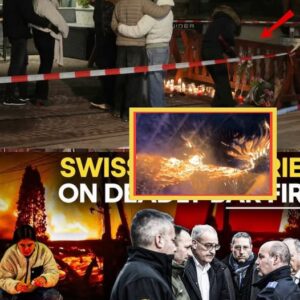
The festivities were in full swing around 1:30 AM when disaster struck. Revelers were dancing to hip-hop beats in the dimly lit basement when flames suddenly appeared on the ceiling. Witnesses described a rapid escalation: thick black smoke filled the space almost instantly, followed by screams and a chaotic rush toward the narrow staircase leading to the only main exit. Some broke windows to escape, gasping for air in the freezing mountain night. Others were caught in a deadly crush at the bottlenecked doorway. Emergency responders—firefighters, ambulances, and helicopters—arrived swiftly, deploying over 150 personnel, but the fire’s intensity overwhelmed them. An explosion, possibly from pressurized bottles or accumulated gases, shattered windows and complicated rescues.
Among the survivors’ accounts, the horror unfolded in seconds. One young woman recounted trying to extinguish early flames with a cloth before the situation spiraled out of control. Another described the ceiling igniting like a flashover, a phenomenon where heat builds until everything combusts simultaneously. The basement’s low ceiling, lined with acoustic foam for soundproofing, proved catastrophic, fueling the blaze’s ferocious spread.

As the fire raged, many trapped inside reached for their phones in a final act of desperation. Mobile signals allowed some to send hurried messages to family and friends. These texts were heartbreakingly concise—typed in panic amid choking smoke and crushing crowds. Common phrases included “I love you,” “Mom, help,” “Can’t breathe,” or “Happy New Year, love you”—simple words that now haunt recipients. One mother shared how her son, Arthur, sent “Happy New Year, Mum, I love you” just after midnight, his last communication before silence fell. Another family received a terse “Fire here, scared” from their daughter, followed by nothing. These short bursts—limited to three or four words—reflected the urgency: no time for explanations, only raw emotion and pleas.
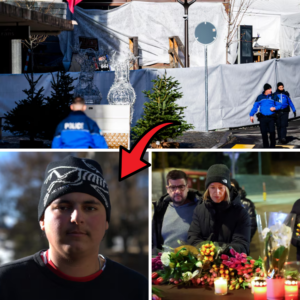
Families outside the bar faced agonizing hours of unanswered calls and texts. Parents rushed to the scene, scanning hospital lists and morgues for news. Identification has been excruciatingly slow; severe burns rendered many victims unrecognizable, requiring DNA testing. As of early January 2026, authorities had identified dozens, including minors from Switzerland, Italy, France, Romania, and Turkey. The young age of the victims—many just starting their lives—has amplified the grief. Memorials sprang up quickly: flowers, candles, teddy bears, and handwritten notes lining the cordoned-off site. Messages like “You are all our children” and promises to carry the pain in broken hearts reflect a community united in sorrow.
Swiss President Guy Parmelin declared five days of national mourning, calling it one of the most traumatic events in the country’s history. Vigils and masses drew hundreds, with residents hugging strangers in shared devastation. International leaders expressed condolences, and hospitals across Switzerland, Italy, and beyond treated the injured, many with life-threatening burns.
The revelation of the fire’s cause has shocked everyone involved. Initial investigations point overwhelmingly to an accidental ignition from sparklers—those sparkling fountains commonly attached to champagne bottles for dramatic toasts. Staff routinely carried these lit bottles through the crowd, sometimes hoisting them high or even shouldering waiters for added flair. Promotional videos from the bar itself showed similar stunts, with helmets and neon lights adding to the spectacle. On New Year’s Eve, as bottles were paraded aloft in celebration, sparks from the sparklers apparently contacted the flammable foam ceiling, igniting it almost instantly.
Prosecutors, led by Valais Attorney General Beatrice Pilloud, have described this as the most likely scenario, backed by videos, photos, and witness statements. One circulating image captures the moment: a staff member elevated, holding a sparkling bottle perilously close to the ceiling as flames begin to lick the material. The foam, intended for acoustics, acted like kindling, enabling a rapid flashover. Authorities have ruled out arson or terrorism, emphasizing no evidence of deliberate acts. Instead, the focus has shifted to negligence: the bar’s two French managers face criminal probes for potential homicide by negligence, bodily harm, and arson through carelessness.
Questions abound about safety compliance. Had annual inspections caught the risks of indoor pyrotechnics near flammable materials? Was the single narrow staircase adequate for the basement’s capacity? Why were such high-risk celebratory practices allowed in a crowded venue? Similar tragedies, like the 2003 Station nightclub fire in Rhode Island or a 2001 cafe blaze in the Netherlands, involved pyrotechnics igniting decorations, underscoring how preventable these incidents can be.
The shock stems from the banality of the cause—a festive tradition meant to bring joy—in a place designed for fun. What was intended as a sparkling highlight became a deadly spark. Families reading those final short messages now grapple not just with loss, but with the frustrating realization that stricter rules or simpler precautions might have averted the nightmare.
Crans-Montana, usually bustling with skiers and golfers, feels subdued. The resort’s economy relies on tourism, yet the tragedy has cast a long shadow. As identifications continue and investigations deepen, the community vows to honor the victims by pushing for change: better fire codes, bans on indoor flares, and enhanced venue safety.
Those last messages—brief, loving, terrified—serve as eternal reminders of lives cut short. “I love you.” Four words that say everything, in a tragedy that should never have happened.