In a rare and introspective revelation, Johnny Depp has opened up about the unseen depths of his personality, declaring, “The dark side of me has never been seen.” The iconic actor, known for his eccentric roles and unconventional career path, reflects on how the glittering mask of Hollywood has cracked under pressure, exposing the raw realities beneath the fame.
Depp’s journey to stardom was anything but typical. Born in Kentucky and raised in Florida, he dropped out of high school to pursue music full-time. As a teenager, he played guitar in local rock bands, including The Kids, performing in smoky clubs long before cameras ever captured his face. Music was his escape and passion—a gritty, authentic world far removed from the polished illusions of Tinseltown. When the band relocated to Los Angeles in the 1980s chasing rock dreams, Depp unexpectedly stumbled into acting to make ends meet. A chance introduction to Nicolas Cage led to his debut in A Nightmare on Elm Street, and soon, roles in 21 Jump Street catapulted him to teen idol status. Yet, Depp always resisted the clean-cut Hollywood mold, gravitating toward outsider characters in collaborations with directors like Tim Burton and Jim Jarmusch.
The “mask” Depp refers to symbolizes the facade celebrities maintain amid relentless scrutiny. Over decades, he has navigated immense success with franchises like Pirates of the Caribbean, where his improvisational Captain Jack Sparrow became a cultural phenomenon inspired by rock legends like Keith Richards. But fame came with turbulence: high-profile relationships, legal battles, and industry backlash tested his resilience. After years of controversy, including highly publicized trials, Depp experienced a form of Hollywood exile, losing roles and facing what he describes as an “absurdity of media mathematics.” He emerged stronger, directing films like Modì, producing through his company Infinitum Nihil, and returning to his musical roots.

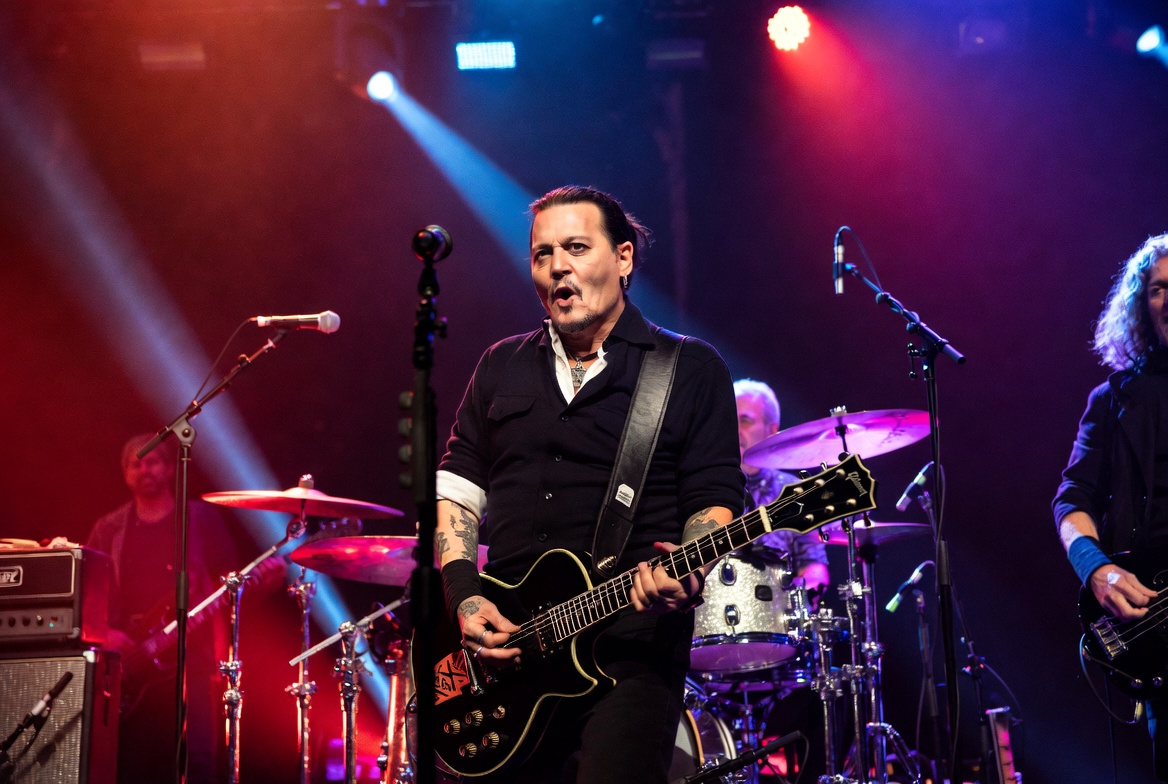
That rock era remains one of the most mysterious chapters of Depp’s life—a time of underground gigs, raw energy, and unfiltered creativity. He co-owned the Viper Room, a legendary Sunset Strip club hosting icons from Guns N’ Roses to Johnny Cash, and later formed the supergroup Hollywood Vampires with Alice Cooper and Joe Perry. The band pays homage to the 1970s “Vampires” drinking club of rock excess, blending classic covers with originals. For Depp, music offers freedom acting sometimes constrains; it’s where his enigmatic side thrives without scripts or spotlights.
Now in his 60s, Depp embraces a quieter life, splitting time between Europe and creative pursuits like painting and directing. He views his trials as a crash course in survival, emerging with perspective on fame’s illusions. “The dark side” he hints at isn’t villainy but the unpolished authenticity he guards fiercely—the boy who chose guitar over conformity, the artist who shatters expectations.
Depp’s story reminds us that behind Hollywood’s veneer lies complexity: rebellion, vulnerability, and enduring passion. As he continues performing with Hollywood Vampires and exploring new projects, fans are left wondering what other hidden layers this enigmatic star might yet reveal.