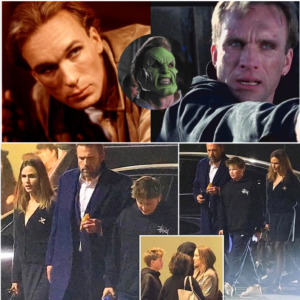
Peter Greene, the accomplished character actor celebrated for his memorable portrayals in blockbuster films like Pulp Fiction and The Mask, was found unresponsive in his Lower East Side apartment in Manhattan on December 12, 2025. He was 60 years old. Authorities responded to the scene at a building on Clinton Street following reports of concern from neighbors, and Greene was pronounced deceased there. His longtime manager, Gregg Edwards, confirmed the news to multiple outlets, expressing profound sadness over the loss of a talent he described as one of the finest in his generation.
:max_bytes(150000):strip_icc()/Peter-Greene-The-Mask-121325-761bdf96408c4b478b30514728b4b856.jpg)
ew.com

decider.com

hollywoodreporter.com
Details surrounding the discovery have drawn attention, with reports indicating that music had been audible from the apartment for an extended period, prompting a welfare check. A handwritten note was present at the scene, bearing the message “I’m still a Westie,” a reference to a historical group associated with Hell’s Kitchen. Police have indicated no suspicion of criminal activity, and the medical examiner is conducting an evaluation to determine the official cause of death. Edwards noted that Greene had been in good spirits recently, with upcoming projects on the horizon, making the development particularly unexpected.
Edwards, who managed Greene for many years, shared heartfelt words about his client. “Truly one of the great actors of our generation,” he told reporters. “His heart was as big as there was. I’m going to miss him. He was a great friend.” He highlighted Greene’s collaborations with top directors and stars, adding that Greene possessed a unique ability to bring depth to his characters. The manager also mentioned an upcoming film role opposite Mickey Rourke in the independent project Mascots, where the production team expressed deep sorrow upon hearing the news.
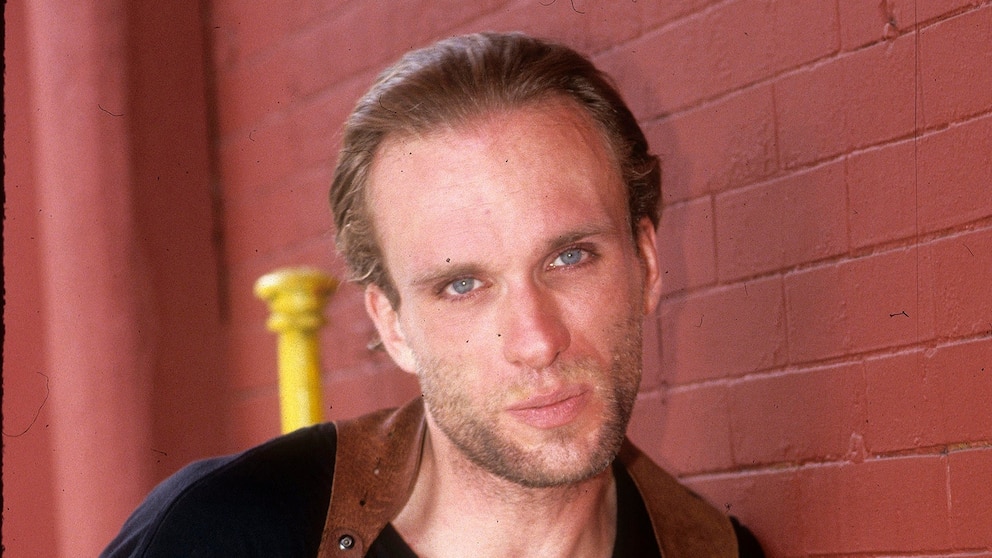
Born Peter Henry Greene III on October 8, 1965, in Montclair, New Jersey, the actor’s path to Hollywood was anything but conventional. Early challenges shaped his resilience; as a teenager, he spent time on the streets of New York City, navigating difficult circumstances that included substance issues. Greene later sought treatment and turned his experiences into fuel for his craft, training formally and emerging as a standout in independent films. His breakthrough came with critically acclaimed roles in Laws of Gravity (1992) and Clean, Shaven (1993), the latter earning praise for its raw intensity and drawing the eye of Quentin Tarantino.

seekyoursounds.com
abcnews.go.com
pulpfiction.fandom.com
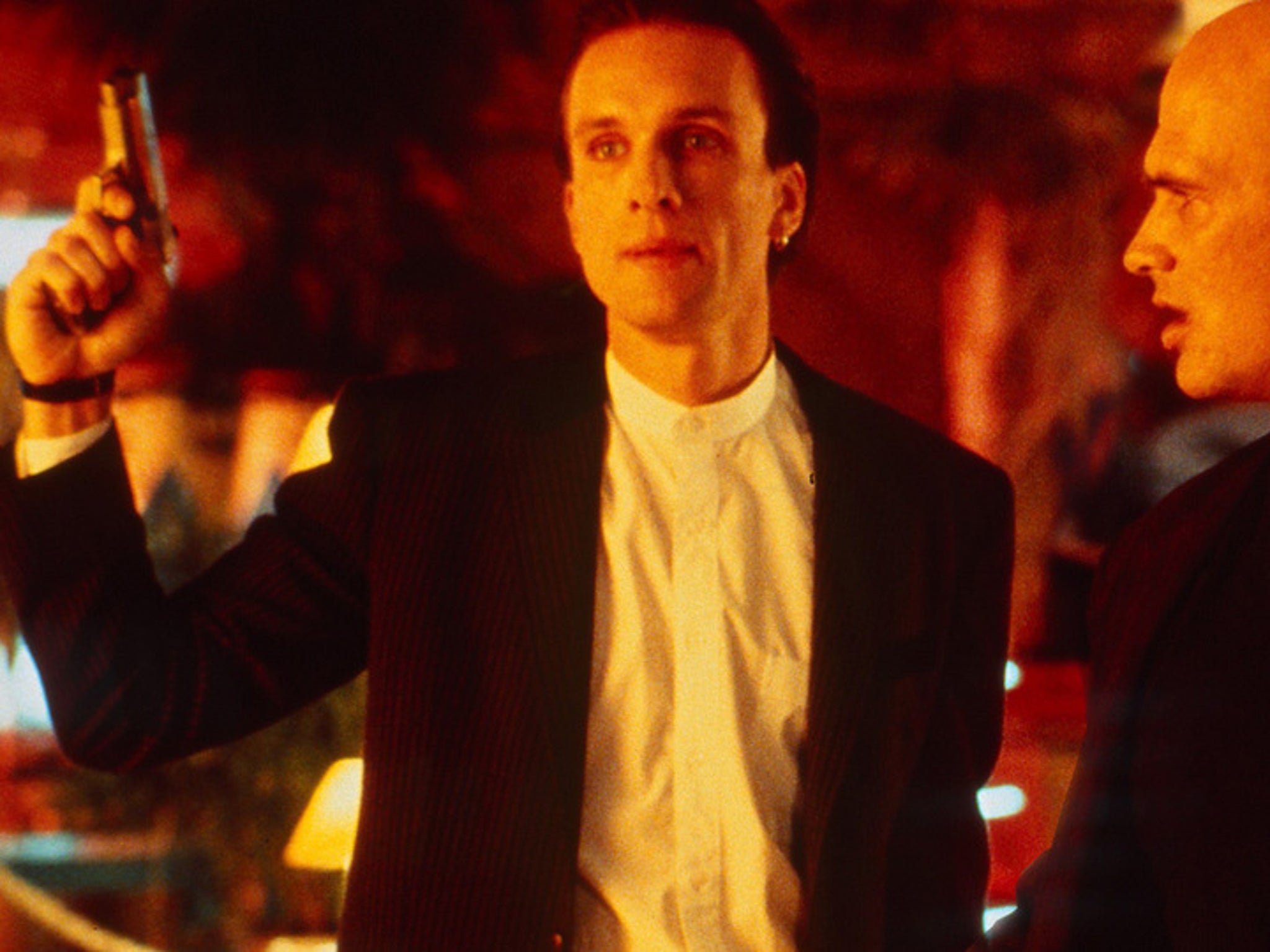
1994 proved a pivotal year, with Greene delivering two career-defining performances. In Tarantino’s Pulp Fiction, he played Zed, a role that showcased his commanding presence alongside stars like John Travolta, Samuel L. Jackson, and Bruce Willis. The film’s massive success solidified his status in mainstream cinema. That same year, he starred as Dorian Tyrell, the ambitious antagonist in The Mask, opposite Jim Carrey and Cameron Diaz. Edwards called the Mask part “arguably his best role,” praising how Greene held his own in the effects-driven comedy blockbuster.
facebook.com
:max_bytes(150000):strip_icc():focal(749x0:751x2)/peter-greene-the-mask-079ed3f66db841798ad1280dd200d8d9.jpg)
people.com
tmz.com
Greene’s filmography expanded steadily, featuring supporting turns in high-profile projects. He appeared in The Usual Suspects (1995), Blue Streak (1999) with Martin Lawrence, and Training Day (2001) alongside Denzel Washington and Ethan Hawke. His versatility shone in television as well, with recurring roles on series such as The Black Donnellys, Life on Mars, and Chicago P.D. More recent credits included appearances in the John Wick universe through the 2023 prequel series The Continental and a 2025 episode of Dope Thief. At the time of his passing, Greene had several films in various stages, demonstrating his continued dedication to the industry.
Colleagues and fans have reflected on Greene’s off-screen personality, often contrasting it with his on-screen personas. Known for bringing edge to complex characters, he was described by those close to him as generous and kind-hearted. Edwards emphasized this duality, noting Greene’s professionalism and warmth toward peers. Tributes poured in quickly, with social media users sharing favorite scenes and quotes, particularly from Pulp Fiction. One fan remarked on the lasting influence of his work, while industry figures acknowledged his contributions to both indie and studio films.
Family details emerged amid the tributes, revealing Greene leaves behind a 16-year-old son named Ryder, as well as siblings. His personal life remained relatively private, though he had spoken in past interviews about overcoming earlier struggles and focusing on his career and relationships. The actor’s New York roots stayed strong; he was frequently seen around the city, maintaining a connection to the streets that once tested him.
The news of Greene’s death spread rapidly across entertainment outlets, with coverage highlighting his journey from challenging beginnings to respected status. Reports noted the surprise element, given his active schedule. The writer-director of Mascots, Kerry Mondragón, was among those informed directly by Edwards and reportedly deeply affected. As investigations continue through official channels, the focus has shifted to celebrating Greene’s body of work.
Peter Greene’s career spanned decades and genres, leaving an imprint on 1990s cinema in particular. Films like Pulp Fiction and The Mask continue to introduce new generations to his talent, ensuring his performances endure. Fans have revisited clips and photos, appreciating the nuance he brought to every role. His manager’s words resonate: Greene collaborated with legends and left a mark through dedication and skill.
The entertainment community mourns a distinctive voice lost too soon. Greene’s story reflects perseverance, from early hardships to professional triumphs. As details settle, his films stand as the ultimate tribute—a collection of work that captured attention and sparked discussion. For admirers of classic cinema, Peter Greene remains a key figure whose contributions enriched the screen.